In the dynamic landscape of healthcare, one-size-fits-all approaches are becoming increasingly outdated, paving the way for personalized care plans tailored to individual needs. Personalized care involves a thorough assessment of an individual's unique health requirements, preferences, and circumstances. Central to this approach is the personalized care needs assessment, a comprehensive tool that has the potential to revolutionize the quality of care provided. This article explores the benefits of personalized care plans derived from individualized assessments and their positive impact on enhancing the overall quality of healthcare.
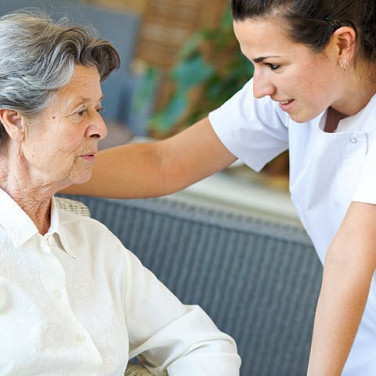
Understanding personalized care needs assessments:
Personalized care needs assessments involve a detailed examination of an individual's physical, mental, and social well-being. Rather than relying on generic protocols, healthcare providers utilize assessments to gather specific information about a person's health history, lifestyle, cultural background, and personal goals. These assessments may include interviews, physical examinations, and the integration of patient-reported outcomes. The goal is to create a holistic understanding of the individual, identifying not just medical needs but also emotional and social factors that may influence their well-being.
Benefits of personalized care plans:
-
Tailored interventions: Personalized care plans enable healthcare providers to tailor interventions based on the unique needs of each individual. This approach ensures that the care provided aligns with the specific health goals, preferences, and values of the patient. By customizing treatment plans, healthcare professionals can address the root causes of health issues, leading to more effective and efficient outcomes.
-
Improved patient engagement: Personalized care fosters a sense of empowerment and engagement among patients. When individuals feel that their healthcare providers understand their unique circumstances, they are more likely to actively participate in their own care. This increased engagement can lead to better adherence to treatment plans, healthier lifestyle choices, and a more collaborative patient-provider relationship.
-
Enhanced health outcomes: The tailored nature of personalized care plans contributes to improved health outcomes. By addressing individual risk factors and considering the specific needs of each patient, healthcare providers can optimize treatment strategies. This, in turn, reduces the likelihood of adverse events and promotes positive health outcomes.
-
Efficient resource allocation: Personalized care plans help optimize resource allocation within the healthcare system. By focusing resources on interventions that are most relevant to the individual, providers can avoid unnecessary treatments or services, ultimately reducing costs and improving the overall efficiency of healthcare delivery.
-
Cultural competence: Personalized care needs assessments take into account the cultural backgrounds and beliefs of individuals. This cultural competence ensures that care plans are respectful and responsive to the diverse needs of patients, fostering trust and improving the overall patient experience.
Understanding the role of personalised care needs in care planning
Personalised care needs focus on recognising each individual’s health, abilities, preferences and daily routines when planning support. Understanding the role of personalised assessments can help families better appreciate how care plans are adapted to meet specific needs and promote well-being. Senior Home Plus provides informative content to help readers better understand care home environments and how personalised care needs are considered within long-term care planning in the UK.
Learn more about care homes in the UKInformational content • No obligation
The shift towards personalized care plans based on individualized care needs assessments represents a significant advancement in healthcare delivery.
Steps to Develop a Personalized Care Plan
| Step | What It Involves | Outcome |
|---|---|---|
| Assessment | Gathering detailed health and lifestyle data. | Establishes the foundation for tailored care. |
| Goal Setting | Identifying care priorities with the individual. | Aligns care with personal preferences. |
| Implementation | Putting the care plan into action. | Ensures timely and appropriate support. |
| Evaluation | Regularly reviewing the care plan. | Adapts to changing needs and circumstances. |
Personalised care and the NHS Long Term Plan
Personalised care is a key part of the NHS Long Term Plan, which aims to transform the way health and social care services are delivered across the UK.
This approach supports a shift towards patient-centred care UK, where individuals have greater choice, control, and involvement in their own care planning decisions.
Integrated health and social care approach
Personalised care is closely linked to the development of integrated care systems in the UK, which bring together NHS services, social care, and community support.
This ensures that individuals receive coordinated support across multiple services, improving health outcomes and continuity of care.
Social prescribing and community-based support
A key component of personalised care is social prescribing, which connects individuals to non-medical support services such as community groups, exercise programmes, and wellbeing activities.
This helps improve mental health, social engagement, and overall wellbeing, particularly for older adults and individuals with long-term conditions.
Personal health budgets and care control
In some cases, individuals may be eligible for a personal health budget UK, allowing them to have more control over how their care and support needs are funded and delivered.
This supports greater independence and enables people to choose services that best match their personalised care needs and lifestyle preferences.
Personalised care planning process
A care plan UK is developed based on the results of a personalised care needs assessment and outlines the specific support required by the individual.
This may include home support, medical care, social services, or community-based interventions tailored to the individual’s goals and preferences.
Eligibility and wellbeing in personalised care
Eligibility for support under personalised care approaches is based on an individual’s ability to maintain independence, safety, and wellbeing.
Assessments consider both physical and mental health conditions, as well as how these affect daily living and social participation.
How personalised care improves health outcomes
Personalised care helps improve health outcomes UK by ensuring that care is tailored to each individual’s specific needs, preferences, and circumstances.
It also reduces unnecessary hospital admissions and improves coordination between NHS services and social care providers.
Mental health and social wellbeing in personalised care
Personalised care recognises the importance of mental health, emotional wellbeing, and social connection as key factors in overall health.
Support may include counselling, community engagement programmes, or referrals to local services that help reduce isolation and improve quality of life.
The role of carers in personalised care
Family members and unpaid carers play an important role in personalised care by supporting individuals with daily activities and contributing to care planning decisions.
Their input is often considered during assessments to ensure that care plans reflect real-life needs and support networks.
Transforming the UK healthcare system
Personalised care represents a major shift in the UK healthcare system, moving away from a standardised model towards a more flexible and individualised approach.
This transformation aims to empower individuals while improving efficiency within the NHS and social care system.
By embracing a holistic understanding of patients, healthcare providers can offer more effective, engaging, and culturally competent care.
The benefits extend beyond the individual, influencing broader health outcomes and the efficiency of healthcare systems. As personalized care continues to gain prominence, its role in improving the quality of care is poised to redefine the future of healthcare delivery.
Q&A:
1. What is personalized care?
Personalized care is an approach that tailors support to the individual’s unique physical, emotional, social, and environmental needs, ensuring they receive the most suitable care.
2. Why is personalized care important?
Personalized care improves quality of life, enhances emotional well-being, and ensures individuals receive appropriate support that aligns with their preferences and circumstances.
3. How is personalized care different from standard care?
Unlike standard care, which follows a one-size-fits-all model, personalized care focuses on the specific requirements and preferences of the individual, making it adaptable and more effective.
4. What are the key components of personalized care?
Key components include:
- Physical health management (e.g., mobility and chronic conditions).
- Emotional and mental well-being support.
- Social engagement and interaction.
- Environmental adjustments to improve safety and comfort.
5. Who benefits from personalized care?
Anyone with unique care needs can benefit, including seniors, individuals with chronic illnesses, disabilities, or those recovering from surgery or trauma.
Need help finding a care home?
Senior Home Plus offers free personalized guidance to help you find a care facility that suits your health needs, budget, and preferred location in the UK.
Call us at 0203 608 0055 to get expert assistance today.
