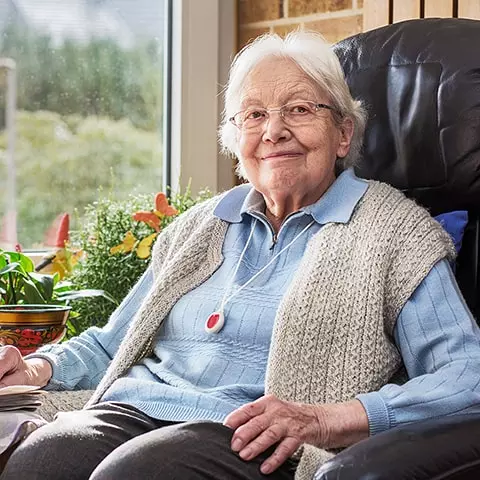
Caregivers play an invaluable role in providing support and care to their loved ones. However, the demands of caregiving can take a toll on their physical and emotional well-being. To provide the best care to others, caregivers must first take care of themselves. In this article, we will discuss the significance of self-care for caregivers and provide practical tips and strategies to prevent burnout and maintain their health and emotional resilience.
The significance of self-care:
1. Physical well-being: Caregivers frequently face physical strain from their responsibilities, which can lead to health issues and exhaustion if self-care is neglected.
Find YOUR ideal care home NOW!
2. Emotional resilience: The emotional toll of caregiving is significant, and self-care is vital for maintaining emotional stability and well-being.
3. Quality of care: Caregivers who prioritize self-care can provide higher-quality care to their loved ones, benefiting both the caregiver and the care recipient.
Practical tips for caregiver self-care:
1. Take short breaks: Find moments to relax and recharge, even if it's just for a few minutes.
2. Maintain a healthy diet: Eat well-balanced meals to support your energy levels and overall health.
3. Regular exercise: Incorporate physical activity into your routine to reduce stress and improve mood.
4. Get adequate sleep: Prioritize sleep and seek help or respite care to ensure you get enough rest.
5. Reach out for support: Don't hesitate to ask for help from friends, family, or support groups.
6. Practice stress reduction: Explore stress reduction techniques such as meditation or mindfulness.
7. Set realistic boundaries: Establish boundaries and recognize when it's necessary to seek help or take a break.
8. Respite care: Arrange for respite care to provide temporary relief and allow for time to recharge.
9. Regular health checkups: Prioritize your health by scheduling regular checkups.
10. Embrace hobbies and interests: Make time for activities you enjoy to maintain a sense of fulfillment and well-being.
The Impact of Self-Care on Caregiving
| Self-Care Aspect | Benefits for the Caregiver | Benefits for the Care Recipient |
|---|---|---|
| Physical Well-being | Prevents exhaustion, reduces health risks | Ensures the caregiver is strong and capable |
| Emotional Resilience | Reduces stress and emotional fatigue | Provides a more positive caregiving environment |
| Quality of Care | Improves patience, focus, and energy | This leads to more attentive and compassionate care |
| Social Support | Creates balance and prevents isolation | Allows better overall care through shared responsibility |
Self-care is essential for caregivers to prevent burnout, maintain their physical and emotional health, and continue providing the best care to their loved ones. By prioritizing self-care and seeking support when needed, caregivers can ensure they have the resilience and energy to fulfill their caregiving responsibilities while also nurturing their own well-being. Remember, self-care is not selfish—it's a vital aspect of caregiving that benefits both the caregiver and the care recipient.
FAQ:
1. Why is self-care important for caregivers?
Self-care helps caregivers maintain their physical and emotional well-being, preventing burnout and ensuring they can continue providing high-quality care for their loved ones.
2. How can caregivers find time for self-care?
Caregivers can prioritize short breaks, set boundaries, and use respite care services to create time for their own well-being without compromising their caregiving responsibilities.
3. What are simple self-care activities for caregivers?
Activities such as meditation, exercise, reading, listening to music, or engaging in a favorite hobby can help caregivers relax and recharge.
4. How does respite care support caregiver self-care?
Respite care provides temporary relief by having a trained professional take over caregiving duties, allowing caregivers to rest, focus on their health, or attend personal matters.
5. What should caregivers do if they feel overwhelmed?
Caregivers experiencing stress or burnout should reach out for support from family, friends, or professional counseling services, and consider respite care options for additional assistance.
Summary
Self-care is essential for caregivers because it supports physical health, emotional resilience, and the ability to provide consistent, high-quality care. Caregiving can be demanding and stressful, so prioritizing rest, nutrition, sleep, stress management, and support systems helps prevent burnout. By maintaining their own well-being, caregivers are better able to care for their loved ones with patience, energy, and compassion.
Key Takeaways
- Self-care helps prevent caregiver burnout and physical exhaustion.
- It strengthens emotional resilience and reduces stress levels.
- Better caregiver health leads to improved quality of care.
- Simple habits like sleep, exercise, and healthy eating are essential.
- Support from family, friends, or groups reduces isolation.
- Respite care provides valuable time for rest and recovery.
- Self-care is a necessary part of sustainable caregiving, not a luxury.
We are here to help you choose a care home or facility best suited to your needs. Do not hesitate to contact us on the following number: 0230 608 0055 or fill out this form.

Do you need a care home for yourself or your loved one?
Share this article :
Latest posts










You are looking for an establishment for your loved one ?
Get availability & prices
Fill in this form and receive
all the essential information
We would like to inform you of the existence of the opposition list for telephone canvassing.
