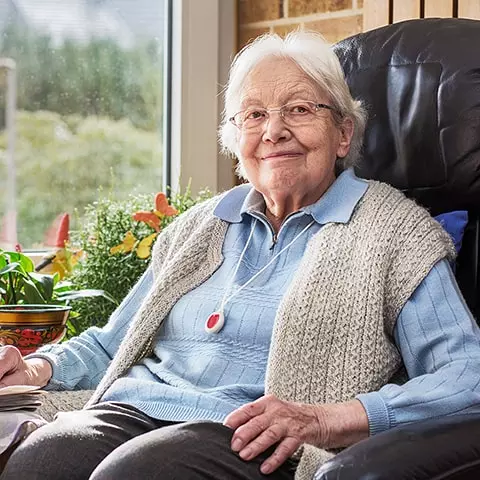
Reaching the age of 60 often changes the way many people think about health. Instead of focusing only on treating illness, more older adults are now looking at how everyday choices can improve quality of life and support healthy ageing. Research consistently shows that healthy lifestyle habits can extend life expectancy by five to ten years while also reducing the risk of chronic disease. What matters most is not a single dramatic change, but the small routines repeated every day that support both physical and mental wellbeing.
Prioritising Restful Sleep Every Night
Sleep becomes increasingly important with age because the body relies on deep rest to repair tissues, regulate hormones and strengthen memory. Unfortunately, many people over 60 experience lighter sleep, more frequent waking and changes in their natural sleep rhythm. Poor sleep over time can increase the risk of heart disease, depression and cognitive decline.
Developing a consistent sleep routine can make a significant difference. Going to bed and waking up at the same time each day helps regulate the body’s internal clock. Reducing screen exposure in the evening and avoiding heavy meals late at night can also improve sleep quality. Even modest improvements in sleep can lead to better energy levels, stronger concentration and improved long-term health.
Find YOUR ideal care home NOW!
Eating Nutrient-Dense Foods More Often
Nutrition has a direct impact on longevity because the body becomes less efficient at absorbing certain vitamins and minerals with age. After 60, the focus should shift toward foods that provide maximum nutritional value without excessive calories. A diet rich in vegetables, fruits, lean proteins, whole grains and healthy fats supports heart health and reduces inflammation.
Highly processed foods can accelerate health problems by increasing blood pressure, weight gain and blood sugar instability. Seniors who eat a balanced diet regularly often experience better immunity, stronger bones and improved digestive health. Hydration is equally important because the sense of thirst often decreases with age, making dehydration easier to overlook.
| Healthy Habit | Main Benefit | Long-Term Impact |
|---|---|---|
| Quality sleep | Improved recovery | Better heart and brain health |
| Balanced nutrition | Stronger immunity | Reduced chronic disease risk |
| Daily movement | Better mobility | Longer independence |
| Stress management | Lower cortisol levels | Improved longevity |
Moving the Body Every Day
Regular movement remains one of the strongest predictors of healthy ageing. Exercise does not need to be intense to be effective. Walking, stretching, gardening or gentle strength training can all support circulation, muscle mass and balance. Staying active also reduces the likelihood of falls, which can become a serious concern in later life.
Many older adults believe slowing down is a natural part of ageing, but inactivity can accelerate decline. Daily movement helps preserve independence by maintaining flexibility and strength. It can also improve sleep, support mental health and lower the risk of diabetes and cardiovascular disease. The key is consistency rather than intensity, as small amounts of movement every day can create lasting benefits.
Managing Stress More Effectively
Chronic stress can silently affect the body over many years. Elevated stress hormones can contribute to inflammation, weaken immunity and increase the risk of high blood pressure. For seniors, long-term stress may also worsen sleep and reduce overall resilience.
Learning to manage stress can improve both physical and emotional health. Activities such as deep breathing, reading, spending time outdoors or talking with loved ones can lower tension naturally. Some older adults find that mindfulness or gentle meditation helps them feel calmer and more focused. Reducing daily stress may not seem dramatic, but over time it can play an important role in supporting longevity.
Staying Socially Connected
Social relationships can have a surprisingly strong effect on life expectancy. Studies have shown that loneliness can increase health risks in ways similar to smoking or inactivity. As people age, retirement, bereavement and mobility changes can reduce regular social contact.
Maintaining friendships and family connections can protect emotional wellbeing and support brain health. Even simple conversations can reduce stress and improve mood. Seniors who remain socially engaged often feel more motivated to stay active and maintain healthier routines. Human connection remains one of the most powerful influences on healthy ageing.
Protecting Brain Health Daily
Mental stimulation becomes increasingly important after 60 because the brain benefits from continued challenge. Reading, puzzles, learning new skills or engaging in meaningful conversations can help preserve memory and cognitive function.
The brain responds positively to novelty, which means even small changes in routine can be beneficial. Learning a new language, trying a musical instrument or developing a hobby can strengthen neural pathways. Seniors who continue challenging their minds often maintain sharper thinking and better confidence in daily life.
Keeping Preventive Healthcare a Priority
Preventive healthcare is another habit that can extend both lifespan and quality of life. Many serious conditions become easier to manage when detected early. Routine check-ups can identify issues before symptoms become severe.
Regular health monitoring allows seniors to adjust lifestyle habits when needed and remain more independent for longer. Staying current with screenings, medication reviews and vision or hearing checks can prevent minor concerns from becoming major problems. Prevention often plays a greater role in longevity than treatment after illness appears.
Why Small Habits Matter More Than Major Changes
Many people believe improving longevity requires a complete lifestyle transformation, but the most effective changes are often the simplest. Consistent habits practiced every day create a cumulative effect that can significantly improve long-term health. Choosing better sleep, healthier meals and more movement can gradually support a stronger body and a clearer mind.
After 60, the goal is not simply to add more years to life, but to add more life to those years. Small daily decisions can shape how independently and comfortably a person ages.
FAQ – Healthy Ageing After 60
Can healthy habits really extend life after 60?
Yes. Research suggests that healthy lifestyle choices can increase life expectancy by five to ten years while improving overall wellbeing.
What is the most important habit after 60?
There is no single habit, but regular movement, quality sleep and a balanced diet are among the most important for healthy ageing.
Is it too late to improve health after 60?
No. Positive lifestyle changes can benefit health at almost any age and often improve quality of life quickly.
How much exercise should seniors aim for?
Many health experts recommend at least 150 minutes of moderate activity per week, adapted to individual ability.
Does loneliness affect lifespan?
Yes. Social isolation has been linked to poorer health outcomes and increased risk of chronic illness in older adults.
Summary
Healthy ageing after 60 is strongly supported by consistent daily habits that improve sleep, nutrition, mobility, stress levels, and cognitive function. Quality sleep, nutrient-dense food, regular movement, and social engagement all play a key role in maintaining independence and reducing long-term health risks. Preventive healthcare and brain stimulation further help preserve physical and mental wellbeing over time.
Key Takeaways
- Quality sleep helps repair the body, regulate hormones, and support memory.
- Sleep issues after 60 may increase risks of heart disease, depression, and cognitive decline.
- Consistent sleep routines improve energy, focus, and overall health.
- A nutrient-dense diet supports immunity, bone health, and reduces chronic disease risk.
- Hydration becomes more important as thirst perception decreases with age.
- Regular physical activity helps maintain strength, balance, and independence.
- Sedentary lifestyles can accelerate physical and cognitive decline.
- Stress management reduces inflammation and supports emotional stability.
- Social connection helps reduce loneliness and supports mental health.
- Preventive healthcare and brain stimulation help maintain long-term wellbeing and independence.
Supporting Health and Wellbeing in Later Life
Healthy daily habits can help older adults stay independent for longer, but there may come a time when additional support becomes beneficial. A safe and well-adapted environment can make it easier to maintain these routines while improving comfort and peace of mind. If you are exploring care options for a loved one, our advisors can help you compare suitable care homes across the UK and guide you toward the right solution at no cost.
Compare Care Homes in the UKYou are looking for a care home or nursing home for your loved one ?
Get our support
Share this article :
Latest posts










You are looking for an establishment for your loved one ?
Get availability & prices
Fill in this form and receive
all the essential information
We would like to inform you of the existence of the opposition list for telephone canvassing.
