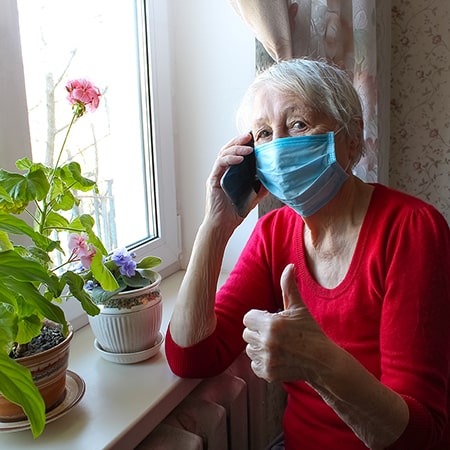
A fall can be one of the most frightening moments for a family caring for an older loved one. Even when the fall appears minor, the first few minutes afterward can be critical. Many relatives feel a surge of panic and immediately want to help the person stand up, but acting too quickly can sometimes make an injury worse. Knowing how to respond calmly in the first ten minutes can reduce complications and ensure the right medical decisions are made.
Stay Calm Before You Move Them
Find YOUR ideal care home NOW!
The first and most important step is to remain calm. A senior who has fallen may already feel frightened, embarrassed or disoriented, and panic from a family member can make the situation more stressful. Speaking slowly and reassuringly can help reduce fear while allowing you to assess what happened.
It is essential not to rush to lift them immediately. Some injuries, particularly to the hip, back or head, may not be obvious right away. Moving too quickly can worsen internal injuries or increase pain. Instead, ask whether they can tell you what happened and whether they feel pain anywhere before attempting any movement.
Check for Signs of Serious Injury
During the first few minutes, observe carefully for any visible signs that urgent medical attention may be needed. Bleeding, swelling, unusual limb positioning or difficulty breathing should all be taken seriously. It is also important to notice whether the person seems confused, unusually sleepy or unable to answer simple questions clearly.
Head injuries can be especially concerning because symptoms sometimes appear gradually. Even if there is no visible wound, dizziness, nausea or confusion after a fall may indicate a concussion or internal bleeding. If any of these symptoms appear, calling 999 may be necessary.
Ask Simple Questions
Once the immediate shock has passed, asking a few simple questions can help assess their condition. Asking where they feel pain, whether they hit their head, and whether they remember the fall can provide valuable information. A senior who cannot clearly explain what happened may be experiencing a more serious medical issue.
The answers can also help determine whether the fall was caused by a trip or by another health problem such as a stroke, fainting episode or sudden drop in blood pressure. Sometimes the fall itself is not the main issue, but a symptom of another urgent condition.
| First 10-Minute Step | Why It Matters | Recommended Action |
|---|---|---|
| Stay calm | Reduces panic | Speak gently and reassure |
| Check for injuries | Identifies urgent problems | Look for pain or bleeding |
| Assess awareness | Detects confusion | Ask simple questions |
| Avoid rushing | Prevents worsening injuries | Do not lift immediately |
| Call for help | Ensures safety | Seek medical support if needed |
Decide Whether They Should Move
If there is severe pain, suspected fracture or any sign of head injury, it is usually best not to move the person. Keeping them still while waiting for medical help can prevent further harm. However, if they seem uninjured and feel able to move, they may be able to reposition themselves slowly with support.
Encourage them to move only if they feel comfortable doing so. They should roll gently onto their side, then onto hands and knees if possible, before using a sturdy chair to help themselves rise gradually. Any sign of pain during movement means they should stop immediately.
Watch for Delayed Symptoms
Even when the person appears fine, the minutes following a fall can reveal delayed symptoms. Pain can increase as adrenaline fades, and confusion can become more noticeable. Older adults sometimes minimise discomfort because they do not want to worry family members, which makes careful observation especially important.
Changes in speech, increasing drowsiness or worsening pain in the hour after a fall can suggest a more serious problem. Continued monitoring can be just as important as the initial response.
Know When to Call 999
Some falls require immediate emergency help. If the senior cannot move, has severe pain, loses consciousness, struggles to breathe or shows signs of stroke, calling 999 should not be delayed. Even if the injury seems small, blood-thinning medication can increase the risk of internal bleeding after a fall.
Families often hesitate because they fear overreacting, but emergency services would rather assess a person safely than have treatment delayed. When in doubt, professional advice is always the safer option.
The Emotional Impact of a Fall
A fall can affect more than physical health. Many seniors become fearful of falling again, which can lead to reduced confidence and less movement. Some older adults begin avoiding stairs, walking alone or even leaving the house. This emotional effect can sometimes have a greater long-term impact than the fall itself.
Responding calmly and supportively can help reduce this fear. Reassurance after the incident can help an older loved one feel safer and more willing to remain active.
FAQ – Elderly Fall at Home What to Do in the UK
Should I move an elderly person after a fall?
Only if they appear uninjured and feel able to move. If there is pain, head injury or suspected fracture, wait for medical help.
When should I call 999 after a fall?
Call 999 if there is severe pain, bleeding, confusion, breathing difficulty or loss of consciousness.
Can a fall be serious even without visible injury?
Yes. Internal bleeding or head injuries may not show immediate external signs.
What should I ask after a fall?
Ask where they feel pain, whether they hit their head and whether they remember what happened.
Why are falls dangerous for seniors?
Falls can lead to fractures, reduced mobility and fear that affects long-term independence.
Creating a Safer Environment After a Fall
A fall at home can be the first sign that an older adult may need more daily support or a safer living environment. The right care setting can reduce future risks while providing reassurance for the entire family. If you are considering care options for a loved one after a fall, our advisors can help you compare suitable care homes across the UK and find a solution adapted to their needs.
Compare Care Homes in the UKYou are looking for a care home or nursing home for your loved one ?
Share this article :
Latest posts










You are looking for an establishment for your loved one ?
Get availability & prices
Fill in this form and receive
all the essential information
We would like to inform you of the existence of the opposition list for telephone canvassing.
