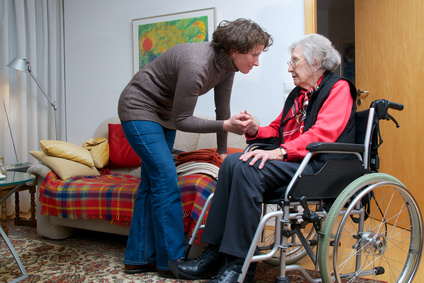
Senior-student shared housing is a growing housing model in the UK where an older adult (typically 60+) shares their home with a student or young worker under 30. The student pays reduced or no rent in exchange for companionship and light assistance.
In the UK, an estimated 3.9 million older people say they feel lonely often or always (Age UK, 2024), while student accommodation costs have risen to an average of £736 per month in London. Intergenerational shared housing directly addresses both problems but it only works well when the arrangement is properly structured and legally formalised.
What is senior-student shared housing?
Find YOUR ideal care home NOW!
Intergenerational shared living involves bringing together, under one roof, a senior aged 60 and older and a student or young worker under 30. In exchange for a modest rent and/or minor services, a young person can have a room (of at least 9 square meters) in the home of an elderly person, who can be either a homeowner or a tenant. The young person may be asked to provide companionship to the senior and spend time with them, run errands, help with medication, etc. However, the young person does not assume the role of a home caregiver, and the services provided are defined based on their availability and abilities. The cohabitants share their daily lives with respect and benevolence, fostering a spirit of mutual aid and sharing.
Senior-student shared housing: Benefits and Bilateral Well-being
Intergenerational cohabitation offers numerous advantages for both seniors and students. The wisdom gained from life experience allows seniors to provide mentoring and comfort to students, while the latter bring freshness, energy, and new perspectives to the seniors. This cohabitation stimulates intergenerational exchange, promoting mutual understanding and the discovery of new cultures and ideas.
For an elderly person, cohabiting with a student allows them to:
- Stay at home without being alone,
- Enjoy reassuring daily company,
- Engage in conversation and spend time with pleasant and friendly company,
- Benefit from daily assistance and support,
- Receive additional financial support when the student pays rent,
- Provide reassurance to their loved ones through the presence of the student.
For students, this form of shared housing allows them to:
- Find housing more easily,
- Enjoy spacious, affordable housing, or even free accommodation,
- Benefit from a calm and peaceful environment for better concentration, work, and rest,
- Share their daily life with a kind, caring, and compassionate person while maintaining their independence.
| Benefits | For Seniors | For Students |
|---|---|---|
| Affordable Housing | Additional rental income to supplement retirement. | Low-cost or free accommodation in exchange for companionship. |
| Companionship | Daily social interaction to combat loneliness. | A friendly and supportive home environment. |
| Help with Daily Tasks | Assistance with errands, technology, and household tasks. | Learn from the wisdom and experience of an older generation. |
| Security & Reassurance | Having a housemate provides a sense of security. | Living in a safe, quiet, and stable environment. |
| Cross-Generational Learning | Exposure to new ideas, technology, and youth culture. | Gains insights, wisdom, and guidance from an older mentor. |
In the UK, the main route is through the Homeshare UK network (homeshareuk.org), which connects you with your nearest local programme. Universities also sometimes run their own schemes; contact the accommodation office directly. For seniors who need care alongside companionship, our advisors can help assess whether a extra care housing or a residential care home might be more appropriate.
Senior-student shared housing in the UK: how it actually works
Unlike France or Spain where this model is highly structured through national programmes, the UK operates mainly through local and charity-based schemes. Here are the main organisations currently facilitating matches in England:
| Programme | Area covered | How to apply | Rent arrangement |
|---|---|---|---|
| Homeshare UK (national network) | England, Scotland, Wales | homeshareuk.org | Student pays reduced rent or provides 10h/week of support |
| Shared Lives Plus | UK-wide | sharedlivesplus.org.uk | Local authority funded in many cases |
| Nightstop / local council schemes | Varies by borough | Contact local council housing team | Varies — often free room for 10h companionship/week |
| University partnerships | Near university campuses | Contact university accommodation office | Negotiated directly with institution support |
Most UK programmes follow what is called the Homeshare model: the student provides around 10 hours per week of companionship and light support in exchange for free or heavily subsidised accommodation. A programme coordinator facilitates the match, conducts DBS checks, and provides ongoing support to both parties throughout the arrangement.
What the 10 hours per week typically looks like
- Sharing at least one meal together per day
- Being present in the home during agreed evening hours
- Running errands such as grocery shopping or posting letters
- Helping with technology smartphones, tablets, video calls
- Accompanying to GP appointments or local outings
- Light household tasks such as taking out bins or garden tidying
What it does not include: personal care (washing, dressing, medication administration), medical support, or any task that would legally require a trained carer. If these needs exist, a separate care package must be arranged alongside the homeshare arrangement.
Is senior-student shared housing legal in the UK and what paperwork is required?
Yes, it is entirely legal but it must be properly documented. Here is what both parties need to have in place:
For the senior (homeowner or tenant):
If you own your home: You do not need permission from a mortgage lender to take in a lodger under a homeshare arrangement, as it is not a standard tenancy. However, check your home insurance policy some require notification when a non-family member moves in.
If you are a council or housing association tenant: You must get written permission from your landlord before taking in a lodger. Most social landlords will grant this for formal homeshare programmes.
Tax: Under the UK Rent a Room scheme, you can earn up to £7,500 per year tax-free from a lodger. Most homeshare arrangements fall well below this threshold.
For the student:
- The arrangement is governed by a licence agreement, not a tenancy agreement. This means the student does not have the same legal protections as a tenant they can be asked to leave with reasonable notice (typically 4 weeks).
- The student should receive a clear written agreement specifying the hours of companionship expected, what tasks are included, any rent payable, and the notice period for ending the arrangement.
DBS check: Any reputable programme will require the student to undergo an Enhanced DBS (Disclosure and Barring Service) check before moving in. Do not proceed with an informal arrangement that skips this step.
What happens if the arrangement does not work out?
This is the question families most often ask and the one most guides avoid answering. Here is the honest picture:
If personalities clash:
Programme coordinators are there to mediate. Most formal homeshare programmes have a structured review process at 3 and 6 months. If the match is not working, the programme will facilitate a managed ending and, where possible, help find a better match. This is one of the strongest reasons to use a formal programme rather than arranging independently.
If the senior's care needs increase:
A homeshare student is not a carer and cannot be expected to take on additional care responsibilities if the senior's health declines. If care needs increase significantly, families should contact the local authority for a Care Needs Assessment. A domiciliary care package can often run alongside a homeshare arrangement without ending it.
If the student stops fulfilling their obligations:
Under the licence agreement, the senior (or the programme coordinator) can give notice to end the arrangement. The notice period is typically 4 weeks. Programme coordinators can step in to resolve disputes before it reaches that point.
If safeguarding concerns arise:
Any concern about the safety or wellbeing of the senior should be reported immediately to the programme coordinator and, if serious, to adult safeguarding at the local authority. The DBS check process exists precisely to reduce this risk, but it does not eliminate it which is why ongoing coordinator oversight matters.
If you wish to thrive in a warm and familial environment while preserving your independence and privacy, senior cohabitation may be the right choice. You may also want to explore the disadvantages of extra care housing to compare options before making a decision, or read our overview of the legal rights elderly people have in any shared living arrangement.
FAQ:
1. What is senior-student shared housing?
Senior-student shared housing is an intergenerational living arrangement where a senior (60+) rents out a room to a student or young worker (under 30) in exchange for affordable rent or light assistance with daily tasks.
2. What types of assistance do students provide?
Students may help with grocery shopping, household chores, tech support, or simply provide companionship. However, they are not required to act as caregivers.
3. How much does senior-student shared housing cost?
The cost varies depending on the agreement. Some seniors charge a reduced rent, while others offer free accommodation in exchange for specific services.
4. Is senior-student shared housing legally regulated?
Yes, agreements should be formalized through a rental contract outlining responsibilities, rent terms, and house rules.
5. What are the main benefits for seniors?
Seniors enjoy companionship, security, additional income, and assistance with small daily tasks.
6. What are the benefits for students?
Students gain access to affordable housing in a calm, comfortable, and supportive living environment.
7. How can seniors and students be matched?
Several organizations and platforms specialize in matching seniors with students based on compatibility, location, and preferences.
8. Can seniors and students set boundaries in shared living?
Yes, clear house rules and expectations should be established at the beginning of the cohabitation to ensure mutual comfort and respect.
9. Is senior-student shared housing safe?
Yes, with proper vetting, clear agreements, and trusted organizations facilitating matches, this type of cohabitation is safe and beneficial for both parties.
10. How do I apply for senior-student shared housing?
Contact specialized agencies or platforms that facilitate intergenerational cohabitation. They help find suitable matches based on personal preferences and needs.
11. Is senior-student shared housing available in all areas of the UK?
Coverage is uneven. Programmes are most active in London, Manchester, Bristol, Leeds, and other university cities. Rural areas and smaller towns often have limited or no local programme. The Homeshare UK network (homeshareuk.org) maintains a directory of active schemes by region — this is the best starting point to check availability near you.
12. How long do homeshare arrangements typically last?
Most arrangements last between 6 months and 2 years, aligned with academic years. Some continue longer when both parties are satisfied. There is no fixed maximum duration what matters is that both parties remain comfortable and that the arrangement continues to meet the senior's needs.
13. Can a senior claim benefits while participating in a homeshare scheme?
Receiving a small income from a homeshare student may affect means-tested benefits such as Pension Credit or Housing Benefit. Before starting an arrangement, it is important to notify the relevant benefits office and ask for a reassessment. In many cases the income is low enough not to affect entitlements, but this must be confirmed in advance rather than assumed.
Summary
Senior-student shared housing is an intergenerational living arrangement where an older adult (usually 60+) shares their home with a student or young worker. The student typically pays reduced rent or lives at low/no cost in exchange for agreed support such as companionship, light household help, errands, or occasional assistance. The arrangement is designed to reduce loneliness for seniors while providing affordable housing for younger people. It is not a formal care service, and the student does not act as a caregiver. Instead, it is a mutually beneficial, companionship-based living setup built on clear agreements and shared respect.
Key Takeaways
- Senior-student shared housing pairs an older adult with a younger person under one roof.
- The student typically receives affordable or free accommodation.
- In return, they may offer companionship and light help, such as errands or tech support.
- It is not a caregiving arrangement and does not replace professional care services.
- The main goal is to reduce loneliness and promote intergenerational connection.
- Both parties benefit: seniors gain company and reassurance, students gain housing and stability.
- Clear agreements are essential to define expectations, boundaries, and responsibilities.
- It can improve safety and well-being for seniors through regular daily presence in the home.
- Matching is often done through specialized programs or housing organizations.
- It is a flexible, community-based alternative to traditional housing or care solutions.
Need help finding a care home?
Senior Home Plus offers free personalized guidance to help you find a care facility that suits your health needs, budget, and preferred location in the UK.
Call us at 0203 608 0055 to get expert assistance today.

Do you need a care home for yourself or your loved one?
Share this article :
Latest posts










You are looking for an establishment for your loved one ?
Get availability & prices
Fill in this form and receive
all the essential information
We would like to inform you of the existence of the opposition list for telephone canvassing.
