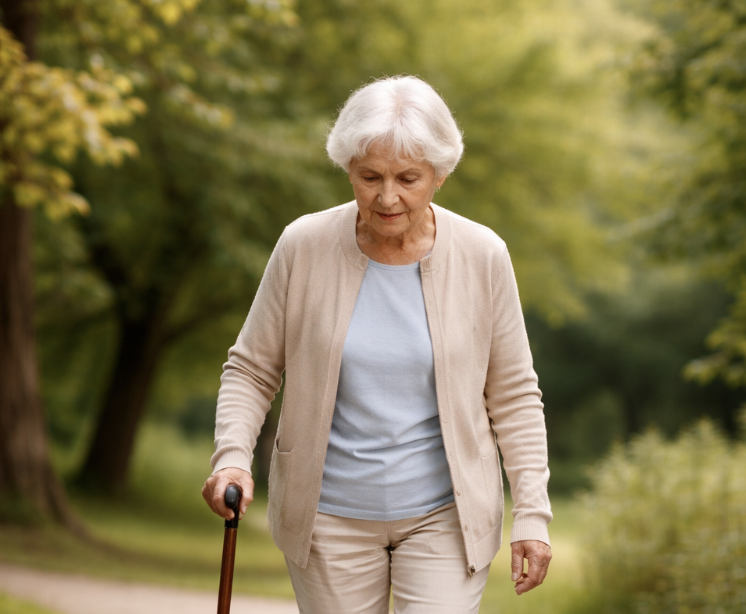
For many people, driving represents far more than transportation. It symbolises autonomy, spontaneity and control over daily life. After the age of 75, when health changes or medical advice may limit driving ability, the loss of a driving licence can feel like a profound personal shift.
While the practical implications are obvious, the emotional consequences are often underestimated. Losing driving privileges in later life is not merely an administrative change. It can affect confidence, identity and social connection.
Understanding this emotional dimension is essential for families navigating this sensitive transition.
Why Driving Matters So Much in Later Life
Find YOUR ideal care home NOW!
In younger adulthood, driving is often taken for granted. In older age, it becomes closely tied to independence. The ability to visit friends, attend appointments or go shopping without relying on others reinforces a sense of self-sufficiency.
When that independence is removed, even for valid safety reasons, the emotional response may include frustration, sadness or denial. For some individuals, it feels like an irreversible step toward dependency.
The significance of driving varies by location as well. In rural areas, where public transport is limited, the impact may be even greater.
Common Emotional Reactions
The psychological response to losing driving privileges can be complex and layered. It often unfolds gradually rather than immediately.
| Emotional Response | Underlying Concern | Potential Consequence |
|---|---|---|
| Loss of Identity | Feeling “old” or less capable | Reduced self-esteem |
| Anger or Resistance | Perceived unfairness | Family conflict |
| Anxiety | Fear of being dependent | Avoidance of outings |
| Sadness or Grief | Sense of life narrowing | Social withdrawal |
| Relief | Reduced stress of driving | Greater safety awareness |
These responses may overlap, and individuals may experience more than one at the same time.
The Link Between Driving and Self-Worth
Driving is often associated with competence. For decades, it may have been part of a person’s professional and family role. Losing that function can create a feeling of diminished relevance.
In some cases, giving up driving becomes symbolic of ageing itself. The change may trigger reflection on other losses, including health limitations or the passing of peers.
This emotional layering explains why reactions can feel disproportionate to the practical change.
Social Isolation and Reduced Mobility
Beyond emotional identity, practical consequences can intensify distress. Without reliable alternative transport, older adults may reduce outings. This can lead to decreased physical activity and reduced social interaction.
Social isolation is strongly linked to depression and cognitive decline in later life. For this reason, planning transport alternatives proactively is critical.
Maintaining routine and connection should remain a priority.
Family Dynamics and Conflict
Conversations about stopping driving are often tense. Adult children may focus on safety, while the older adult may focus on autonomy. When medical professionals recommend licence surrender, it can feel externally imposed rather than collaboratively decided.
Approaching the discussion with empathy rather than authority helps reduce defensiveness. Acknowledging the emotional weight of the decision is essential.
The goal should be shared safety rather than enforced restriction.
Coping Strategies and Positive Reframing
Transitioning away from driving can become less distressing when alternatives are framed as new forms of independence rather than replacements. Community transport services, accessible public transport and family support networks can maintain mobility.
Some older adults report unexpected benefits, including reduced stress and financial savings. However, these positive aspects often emerge only after the initial adjustment period.
Gradual adaptation tends to produce better emotional outcomes than abrupt change.
When Emotional Distress Becomes Concerning
If loss of driving privileges leads to significant withdrawal, persistent low mood or refusal to leave home, professional support may be appropriate. Emotional adjustment varies widely between individuals.
Mental health support can assist in reframing identity beyond mobility. Encouraging participation in community activities can also reduce isolation.
The focus should remain on preserving dignity and purpose.
FAQ: Losing Driving Privileges After 75
Is it normal to feel upset after losing a driving licence?
Yes. Driving is closely linked to independence and identity, so emotional reactions are common.
Can losing driving privileges cause depression?
It can contribute to sadness or withdrawal, particularly if alternative transport is limited.
How should families discuss stopping driving?
Approach the conversation calmly, emphasising safety and shared decision-making rather than control.
Are there alternatives to maintain independence?
Community transport services, family support and accessible public transport can help preserve mobility.
When should professional support be considered?
If emotional distress persists or leads to social isolation, consulting a GP or counsellor may be beneficial.
Need help finding a care home?
Senior Home Plus offers free personalized guidance to help you find a care facility that suits your health needs, budget, and preferred location in the UK.
Call us at 0203 608 0055 to get expert assistance today.
You are looking for a care home or nursing home for your loved one ?
Get our support
Share this article :
Latest posts










You are looking for an establishment for your loved one ?
Get availability & prices
Fill in this form and receive
all the essential information
We would like to inform you of the existence of the opposition list for telephone canvassing.
