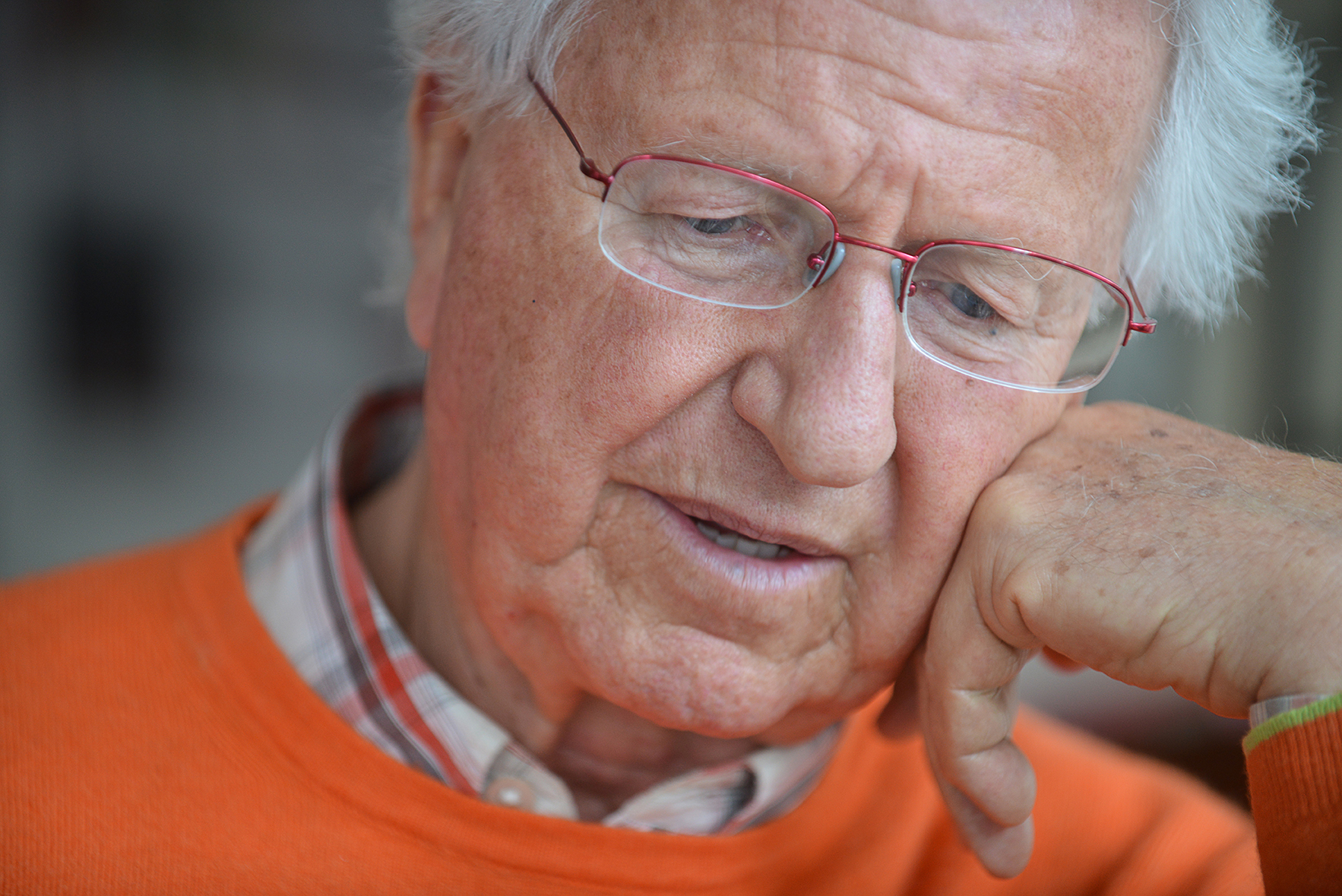
Dehydration is one of the most common and preventable health risks affecting people living with dementia. Yet it often goes unnoticed until symptoms become severe. As Alzheimer’s and other forms of dementia progress, the ability to recognise thirst, request fluids, or maintain regular drinking habits declines significantly.
In the UK, dehydration is a leading cause of avoidable hospital admissions among older adults. For individuals with dementia, the risks are even greater, as symptoms may be mistaken for cognitive decline rather than a physical issue.
Why Dehydration Is Common in Dementia
Find YOUR ideal care home NOW!
Dementia affects the brain’s ability to regulate basic physiological signals, including thirst. Individuals may no longer feel thirsty, even when the body requires fluids. They may also forget to drink or fail to recognise drinks placed in front of them.
Cognitive impairment can make it difficult to communicate discomfort, meaning dehydration can develop silently. Physical limitations, such as difficulty holding a cup or swallowing liquids, further increase the risk.
Behavioural changes also play a role. Some individuals may refuse drinks due to confusion or anxiety, while others may become distracted and leave drinks untouched.
Early Signs That Are Easy to Miss
In its early stages, dehydration presents with subtle symptoms that can easily be overlooked. One of the first signs is a general sense of fatigue. The individual may appear more tired than usual or less engaged in daily activities.
Dry mouth and lips are also common indicators, although they may not always be visible or reported. A reduction in urine output or darker urine can signal that fluid intake is insufficient.
These early signs are often attributed to ageing or dementia itself, which is why careful observation is essential.
Cognitive and Behavioural Changes
One of the most important aspects of dehydration in dementia patients is its impact on cognitive function. Even mild dehydration can significantly worsen confusion and disorientation.
The individual may appear more forgetful, agitated, or withdrawn. These changes can be mistaken for disease progression, when in fact they may be reversible with proper hydration.
Increased irritability or sudden changes in behaviour should always prompt consideration of dehydration as a possible cause.
Physical Symptoms of Dehydration
As dehydration progresses, physical symptoms become more pronounced. Dizziness, headaches, and weakness are common, increasing the risk of falls and injury.
The skin may appear dry, and elasticity may decrease. In more severe cases, rapid heart rate and low blood pressure can occur.
Constipation and urinary tract infections are also closely linked to dehydration, further affecting overall health and comfort.
Key Signs of Dehydration at a Glance
| Category | Warning Sign | What It Indicates |
|---|---|---|
| Early physical signs | Dry mouth and lips | Insufficient fluid intake |
| Behavioural changes | Increased confusion or agitation | Impact on brain function |
| Urinary changes | Dark or reduced urine | Dehydration progression |
| Energy levels | Fatigue and weakness | Reduced hydration affecting body systems |
| Advanced signs | Dizziness or falls | Significant dehydration |
| Health complications | Frequent infections | Weakened immune response |
Why Early Recognition Matters
Dehydration can escalate quickly if not addressed. What begins as mild fatigue or confusion can develop into serious medical complications. In elderly individuals, even small imbalances in fluid levels can have significant effects.
Early recognition allows caregivers to intervene before symptoms worsen. Increasing fluid intake at the first signs of dehydration can prevent hospitalisation and improve overall well-being.
It also helps differentiate between dehydration and dementia-related changes, ensuring that the right response is applied.
Practical Steps to Monitor Hydration
Monitoring hydration should be part of daily care. Observing how much the individual drinks, checking for changes in behaviour, and noting physical signs provide valuable information.
Offering fluids regularly, rather than waiting for signs of thirst, is essential. Small, frequent drinks are often more effective than large quantities.
Incorporating hydrating foods, such as soups or fruits with high water content, can also support fluid intake. Creating a routine around drinking helps reinforce consistent habits.
When to Seek Medical Advice
If signs of dehydration persist despite increased fluid intake, or if symptoms become severe, medical attention should be sought immediately. Early intervention can prevent complications and ensure appropriate treatment.
Healthcare professionals can assess hydration status and identify any underlying causes, such as swallowing difficulties or medication side effects.
Frequently Asked Questions
What is the earliest sign of dehydration in dementia patients?
Increased fatigue and subtle confusion are often among the first signs.
Can dehydration worsen dementia symptoms?
Yes, dehydration can significantly increase confusion and cognitive decline.
How can caregivers monitor hydration?
By observing fluid intake, checking urine colour, and noting behavioural changes.
Are behavioural changes always linked to dementia?
Not always. Sudden changes may indicate dehydration or other underlying issues.
When should medical help be sought?
If symptoms persist or worsen, or if there are signs of severe dehydration, professional advice is necessary.
Supporting Health Through Better Hydration
Recognising the signs of dehydration is essential for protecting the health of individuals living with dementia. With careful observation and proactive care, many risks can be prevented before they become serious.
Our team helps you identify suitable care options tailored to individuals living with dementia, including support for hydration, nutrition, and daily routines.
Find a care homeFree service • No obligation
You are looking for a care home or nursing home for your loved one ?
Share this article :
Latest posts










You are looking for an establishment for your loved one ?
Get availability & prices
Fill in this form and receive
all the essential information
We would like to inform you of the existence of the opposition list for telephone canvassing.
