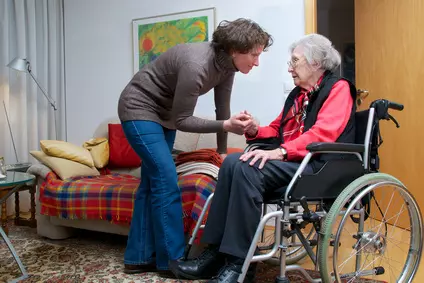
The first weeks after support begins are often dominated by adjustment. Everything feels new. Families watch closely. Emotions remain heightened, and reassurance is still fragile.
Then, slowly, something changes.
Around the three-month mark, many families begin to notice shifts that are not dramatic, but deeply significant. These changes rarely announce themselves. They are felt rather than declared in routines, emotions, and relationships.
This phase marks a quiet turning point.
Vigilance Softens Into Observation
Find YOUR ideal care home NOW!
In the early stages, families tend to remain hyper-attentive. Phone calls are frequent. Small details feel important. Every silence is interpreted.
After several months, vigilance often gives way to calmer observation. Families still care deeply, but attention becomes less urgent and more grounded. Instead of anticipating problems, they begin to notice stability.
This shift does not mean disengagement. It signals growing trust.
Routines Begin to Feel Predictable
By three months, patterns have formed. Days follow a rhythm. Transitions feel less disruptive. The uncertainty that once dominated daily thinking starts to fade.
Predictability creates emotional safety. When families know what to expect, mental space opens up. Worry no longer fills every pause.
Stability becomes something that is lived, not hoped for.
Emotional Responses Become More Nuanced
In the early phase, emotions tend to be intense and polarized — relief mixed with guilt, confidence tangled with doubt.
With time, these emotions often soften. They do not disappear, but they become less overwhelming. Families report feeling more emotionally balanced, less reactive, and better able to hold mixed feelings without distress. Emotional integration begins quietly.
Relationships Shift Back Toward Connection
Before support, interactions often revolve around monitoring and logistics. After several months, many families notice conversations changing.
Visits feel less evaluative. Time together becomes more relational. Shared moments regain importance over problem-solving.
This relational shift is one of the most meaningful changes families observe and often the most unexpected.
Families Reclaim Mental and Emotional Space
Three months in, many families realize they are thinking less about “what might go wrong.” Sleep improves. Concentration returns. Emotional exhaustion eases.
This reclaimed space allows families to engage more fully with their own lives while remaining present and connected.
Support begins to feel sustainable rather than consuming.
Common Changes Families Notice Over Time
| Area of Change | Early Weeks | Around Three Months |
|---|---|---|
| Attention | Constant vigilance | Calm observation |
| Emotions | Intense and conflicting | More balanced and integrated |
| Relationships | Task-focused | Connection-focused |
Why These Changes Often Go Unnoticed
Because they are gradual, families may not immediately recognize how much has shifted. There is rarely a clear moment when worry ends or confidence begins.
Only in retrospect do many realize that their inner state has changed. What once felt heavy now feels manageable.
Progress in care is often quiet.
When Doubt Lingers and Why That’s Normal
Even at three months, some doubt may remain. Families may still question decisions or feel moments of guilt.
This does not mean support is failing. Emotional adjustment does not follow a strict timeline. Doubt tends to soften as lived experience replaces imagined outcomes.
Confidence grows through repetition, not reassurance alone.
Allowing Yourself to Acknowledge Stability
Many families hesitate to fully relax, fearing complacency. Yet acknowledging stability does not mean ignoring reality.
It means recognizing what is working and allowing emotional systems to rest. This permission is often the final step toward lasting balance. Stability deserves recognition.
FAQ – Three Months After Support Begins
Is it normal to feel calmer after a few months?
Yes. As routines stabilize, emotional intensity often decreases naturally.
Does reduced vigilance mean I care less?
No. It reflects growing trust and emotional adjustment, not disengagement.
Why do relationships feel different after a few months?
Because logistical stress decreases, allowing emotional connection to return.
What if I still feel unsure after three months?
Adjustment timelines vary. Ongoing reflection and observation are part of the process.
When do families usually feel confident?
Confidence tends to build gradually through lived experience rather than sudden certainty
Need help finding a care home?
Senior Home Plus offers free personalized guidance to help you find a care facility that suits your health needs, budget, and preferred location in the UK.
Call us at 0203 608 0055 to get expert assistance today.
You are looking for a care home or nursing home for your loved one ?
Share this article :
Latest posts










You are looking for an establishment for your loved one ?
Get availability & prices
Fill in this form and receive
all the essential information
We would like to inform you of the existence of the opposition list for telephone canvassing.
