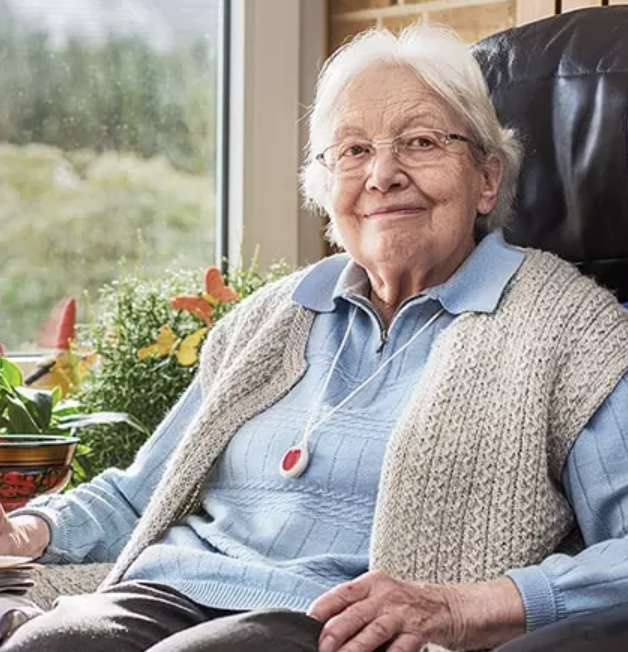
Energy costs can take up a large portion of household expenses, especially for pensioners living on a fixed income. Fortunately, there are many practical ways to reduce energy consumption and lower utility bills without sacrificing comfort.
This guide provides useful pensioner energy saving advice, from simple everyday habits to home improvements that can significantly reduce heating and electricity costs. Some of these tips take only seconds to implement, while others involve longer-term changes that can deliver substantial savings over time.
Why Energy Saving Matters for Pensioners
Find YOUR ideal care home NOW!
For many older adults, managing energy costs is an important part of maintaining financial stability in retirement. Heating and electricity are essential for comfort, particularly during colder months.
Improving energy efficiency can help pensioners:
- reduce monthly energy bills
- keep homes warmer in winter
- improve overall comfort
- lower household energy consumption
- make homes more environmentally friendly
Even small adjustments in daily habits can add up to noticeable savings over the course of a year.
Simple Energy Saving Tips for Pensioners
Turn Off Lights When Leaving a Room
One of the easiest ways to save electricity is to switch off lights when they are not needed. However, safety should always come first. Stairways and hallways should remain well lit to reduce the risk of falls.
Replace Old Lightbulbs with LED Bulbs
LED lightbulbs use far less electricity than traditional bulbs and last significantly longer. Although they may cost more initially, they usually pay for themselves through reduced energy consumption.
Switch Appliances Off Instead of Leaving Them on Standby
Many electronic devices continue using electricity when left on standby. Turning them off completely when not in use can help reduce energy waste. However, appliances such as fridges and freezers should always remain on.
Choose Appliances with Good Energy Ratings
When purchasing new appliances, look for those with strong energy efficiency ratings. Modern energy labels help consumers understand how much electricity appliances use.
Energy ratings apply to products such as:
- refrigerators and freezers
- washing machines
- dishwashers
- televisions
- lighting products
Choosing energy-efficient appliances can significantly reduce electricity usage over time.
Energy Saving Advice for Heating and Home Comfort
Turn Off Radiators in Unused Rooms
If there are rooms in the home that are rarely used, turning off the radiators in those spaces can reduce heating costs. Keeping doors closed can also help prevent heat from escaping.
Most households find that a comfortable indoor temperature is around 18°C (64°F).
Understand Your Heating Controls
Learning how thermostats, timers and heating controls work can make a big difference to energy efficiency. Setting heating systems to run only when needed can prevent unnecessary energy use.
Keep Radiators and Heaters Clear
Furniture, curtains or other objects placed in front of radiators can block heat from circulating properly. Keeping these areas clear allows warm air to move freely through the room.
Bleed Radiators When Needed
If radiators feel cold at the top but warm at the bottom, air may be trapped inside. Bleeding radiators releases this trapped air and helps the heating system work more efficiently.
Saving Energy When Using Water
Take Showers Instead of Baths
Showers generally use much less water than baths. A short shower may use only one-third of the water required to fill a bathtub.
Fix Dripping Taps
A leaking tap can waste a surprising amount of water. Over time, even small leaks may lead to higher water bills, especially for households with water meters.
Use Only the Water You Need
Simple habits such as turning off the tap while brushing your teeth or boiling only the amount of water needed in a kettle can help reduce both water and energy usage.
Using a watering can in the garden instead of a hosepipe can also reduce water consumption.
Energy Saving Tips for Appliances
Run Washing Machines at Lower Temperatures
Many everyday clothes can be washed at 30°C instead of higher temperatures. Washing at lower temperatures uses significantly less electricity.
Use Eco Settings on Dishwashers
Most modern dishwashers have an eco programme designed to reduce energy and water usage. Using these settings can lower electricity consumption.
Defrost Your Freezer Regularly
If frost builds up inside a freezer, it forces the motor to work harder and consume more energy. Defrosting the freezer every six months can improve efficiency.
Home Improvements That Reduce Energy Bills
Some of the most effective ways to save energy involve improving home insulation. These changes may require an initial investment but can significantly reduce heating costs.
| Energy Improvement | Benefit |
|---|---|
| Draught proofing doors and windows | Stops warm air from escaping and reduces heating needs. |
| Double glazing | Improves insulation and reduces heat loss through windows. |
| Loft insulation | Prevents heat from escaping through the roof. |
| Cavity wall insulation | Helps maintain warmth inside the home. |
| Hot water tank insulation | Keeps water hotter for longer and reduces heating costs. |
Draught Proof Doors and Windows
Fitting draught-proofing strips around doors and windows can prevent cold air from entering and warm air from escaping.
Install Double Glazing
Double glazing helps retain heat inside the home while also reducing outside noise. If full installation is expensive, focusing on frequently used rooms may still provide noticeable benefits.
Insulate Roof and Loft Spaces
Many homes lose heat through the roof. Improving loft insulation can significantly reduce heat loss and lower energy bills.
Insulate Cavity Walls
If a property has cavity walls, filling them with insulation material can improve energy efficiency and make the home warmer.
Insulate Hot Water Tanks
Hot water tank insulation keeps stored water warmer for longer, reducing the need for reheating.
Energy Support for Pensioners
In addition to energy saving measures, pensioners may also qualify for financial support programmes designed to help cover heating costs.
These can include government benefits or local assistance schemes aimed at helping older households manage energy expenses.
Checking eligibility for these programmes may provide additional support alongside energy-saving measures.
FAQ: Pensioner Energy Saving Advice
What are the best energy saving tips for pensioners?
Some of the most effective tips include turning off unused lights, using LED bulbs, improving insulation, lowering washing machine temperatures and controlling heating more efficiently.
How can pensioners reduce heating bills?
Reducing heating bills can involve improving insulation, turning off radiators in unused rooms, sealing draughts and adjusting heating controls to avoid unnecessary heating.
Do LED bulbs really save energy?
Yes. LED bulbs use significantly less electricity than traditional bulbs and last much longer, which can reduce both energy use and replacement costs.
Does insulation really reduce energy bills?
Yes. Proper insulation can reduce heat loss in the home and lower heating costs, particularly in colder months.
What temperature should a pensioner's home be?
Many experts recommend maintaining indoor temperatures around 18°C for comfort and energy efficiency.
Energy saving is particularly important for pensioners who want to keep household costs manageable while staying comfortable at home. By combining simple daily habits with long-term improvements such as insulation and efficient appliances, it is possible to reduce energy bills significantly.
Even small changes can make a meaningful difference over time. Understanding how energy is used in the home is the first step toward saving money and improving overall efficiency.
Need help finding a care home?
Senior Home Plus offers free personalized guidance to help you find a care facility that suits your health needs, budget, and preferred location in the UK.
Call us at 0203 608 0055 to get expert assistance today.
You are looking for a care home or nursing home for your loved one ?
Get our support
Share this article :
Latest posts










You are looking for an establishment for your loved one ?
Get availability & prices
Fill in this form and receive
all the essential information
We would like to inform you of the existence of the opposition list for telephone canvassing.
