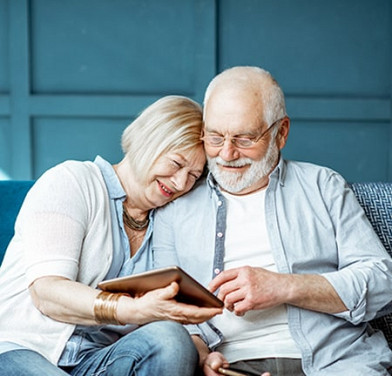
Elegance has long been associated with effort, discipline, and appearance. It was often defined by how one looked rather than how one felt. As people age, this definition begins to shift quietly but profoundly. In graceful aging, comfort is no longer the opposite of elegance. It becomes its most refined expression.
This transformation is not about lowering standards or letting go of care. It is about redefining what truly matters. Comfort, when chosen intentionally, reflects self-awareness, confidence, and respect for the body’s evolution. In later life, elegance is no longer performative; it is lived.
The Evolution of Elegance Over Time
Find YOUR ideal care home NOW!
In earlier stages of life, elegance is often outward-facing. It may involve enduring discomfort for style, structure, or social expectation. Over time, priorities change. The body sends clearer signals, and ignoring them becomes less sustainable.
Graceful aging recognises that elegance evolves alongside experience. What once felt acceptable may now feel unnecessary. Comfort emerges not as compromise, but as discernment the ability to choose what serves well-being without apology. This evolution marks a shift from external validation to internal alignment.
Comfort as a Marker of Self-Respect
Choosing comfort is often misunderstood as giving up. In reality, it is an act of self-respect. It reflects a deep understanding of personal needs and a willingness to honour them.
Graceful aging reframes comfort as intentional. Whether in clothing, daily routines, or environments, comfort supports physical ease and emotional calm. This ease allows individuals to move, engage, and rest without constant strain. Elegance, in this sense, is no longer about endurance. It is about harmony.
Physical Ease and Quiet Confidence
When the body feels comfortable, confidence follows naturally. Movements become smoother, posture more relaxed, and presence more assured. Discomfort, by contrast, draws attention inward and disrupts flow.
Graceful aging values this quiet confidence. Comfort allows individuals to be present rather than preoccupied with physical tension. Over time, this presence becomes visible expressed not through show, but through calm assurance. True elegance does not demand attention; it invites ease.
Letting Go of Outdated Expectations
Cultural expectations around appearance and behaviour often persist longer than they should. Many people feel pressure to maintain a certain image, even when it no longer aligns with their reality.
Graceful aging involves releasing these expectations. Comfort becomes a way of reclaiming autonomy choosing what feels right rather than what is expected. This release reduces emotional strain and creates space for authenticity.
Elegance, then, is no longer about meeting external standards, but about coherence between body, mind, and lifestyle.
Comfort and Emotional Well-Being
Physical comfort has a direct impact on emotional state. Persistent discomfort can lead to irritability, fatigue, and withdrawal. Comfort supports emotional balance by reducing unnecessary stress.
Graceful aging recognises this connection. Choosing comfort helps stabilise mood, preserve energy, and support mental clarity. Emotional well-being becomes easier to maintain when the body is not constantly challenged by avoidable strain. In this way, comfort quietly underpins dignity and resilience.
Simplicity as a Refined Choice
As priorities shift, simplicity often replaces excess. Graceful aging values simplicity not as minimalism, but as refinement keeping what serves, letting go of what complicates.
Comfort fits naturally into this philosophy. It simplifies daily decisions and reduces friction. Over time, this simplicity becomes a form of elegance in itself: understated, intentional, and deeply personal.
Comfort vs. Traditional Elegance in Graceful Aging
| Aspect | Traditional Elegance | Graceful Aging Perspective |
|---|---|---|
| Primary focus | Appearance and form | Comfort and ease |
| Relationship to the body | Endurance and control | Listening and respect |
| Emotional impact | Pressure to maintain standards | Calm confidence |
| Daily experience | Structured and restrictive | Fluid and supportive |
| Definition of elegance | External recognition | Internal alignment |
Redefining Elegance Through Comfort
Graceful aging invites a quieter, more authentic form of elegance. One that is not imposed, but chosen. Comfort becomes the language through which experience, confidence, and self-respect are expressed.
When comfort is embraced without guilt, it elevates daily life. It allows individuals to move through the world with ease rather than resistance. In this sense, comfort does not replace elegance—it reveals its most enduring form.
FAQ – Comfort and Graceful Aging
Why does comfort become more important with age?
Because the body becomes more sensitive to strain, and comfort supports both physical ease and emotional balance.
Is choosing comfort a sign of giving up?
No. It is a conscious choice that reflects self-awareness and respect for changing needs.
Can comfort still be elegant?
Yes. Elegance in graceful aging is defined by ease, confidence, and authenticity rather than appearance alone.
How does comfort affect emotional well-being?
Comfort reduces stress and fatigue, supporting calmer moods and greater resilience.
Is it normal to change priorities around style and routine over time?
Yes. Shifting priorities are a natural part of aging and often lead to greater alignment and satisfaction.
Need help finding a care home?
Senior Home Plus offers free personalized guidance to help you find a care facility that suits your health needs, budget, and preferred location in the UK.
Call us at 0203 608 0055 to get expert assistance today.
You are looking for a care home or nursing home for your loved one ?
Share this article :
Latest posts










You are looking for an establishment for your loved one ?
Get availability & prices
Fill in this form and receive
all the essential information
We would like to inform you of the existence of the opposition list for telephone canvassing.
