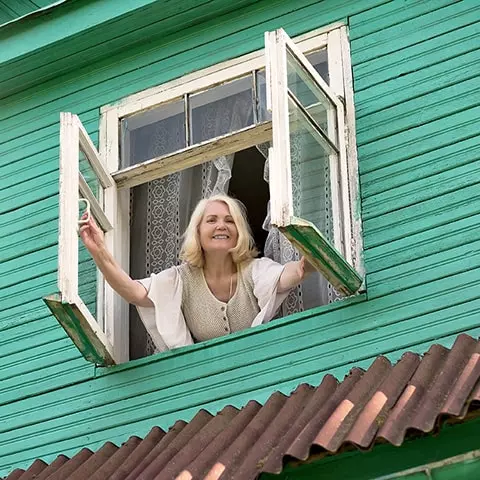
Graceful aging is often presented as an ideal to reach a way of living later life that appears calm, balanced, and dignified. Yet this ideal can become misleading when it is portrayed as universal. In reality, graceful aging does not follow a single path. It looks different for everyone, because it is shaped by individual histories, bodies, values, and circumstances.
Aging well is not about fitting into a predefined image. It is about adapting in ways that make sense for one’s own life. Understanding this diversity is essential to approaching aging with realism, compassion, and self-respect.
The Myth of a Single Model of Aging Well
Find YOUR ideal care home NOW!
Public narratives around aging often highlight a narrow set of examples: people who remain highly active, socially engaged, and outwardly energetic. While these stories can be inspiring, they also create implicit standards.
Graceful aging challenges this model. There is no single way to age well because there is no single way to live. Personal priorities differ. Some people value activity and engagement, others value calm and reflection. Neither approach is superior.
When aging is measured against a single ideal, individuality is lost. Graceful aging restores it.
Life History Shapes How Aging Unfolds
Each person enters later life carrying a unique life story. Work experiences, relationships, health events, responsibilities, and personal challenges all leave lasting traces.
Graceful aging reflects this accumulated experience. Someone who has lived a physically demanding life may prioritise rest and comfort. Someone who has navigated constant responsibility may value simplicity and quiet. These preferences are not signs of limitation; they are expressions of lived wisdom. Aging looks different because lives have been different.
Bodies Age at Different Paces
Physical aging is not uniform. Genetics, health history, lifestyle, and chance all influence how the body changes over time.
Graceful aging respects these differences. Comparing one body to another ignores the complexity of biological variation. Mobility, energy levels, and sensory changes follow no fixed schedule.
Recognising this variability helps reduce unnecessary comparison and self-judgment. Aging well is not about matching others’ abilities, but about supporting one’s own body as it is.
Values and Priorities Evolve Unequally
What matters most in later life varies widely. For some, connection and social presence remain central. For others, independence, routine, or inner calm take precedence.
Graceful aging aligns with values rather than expectations. Aging looks different when it is guided by what feels meaningful rather than what is admired externally. This alignment supports emotional balance and authenticity. There is no hierarchy of values in aging only personal coherence.
Emotional Landscapes Are Individual
Emotional experiences in later life are deeply personal. Some individuals find increased peace and perspective. Others continue to navigate anxiety, grief, or uncertainty.
Graceful aging does not require emotional uniformity. It allows space for varied emotional realities without judgment. Aging well does not mean feeling serene at all times; it means having the capacity to live with emotions without being overwhelmed by them.
This emotional diversity further explains why aging cannot look the same for everyone.
Adaptation Takes Different Forms
Adaptation is central to graceful aging, but how it appears differs from person to person. One individual may adapt by slowing down. Another may adapt by changing routines or redefining goals.
Graceful aging values the process of adaptation rather than its appearance. What matters is not how visible or impressive the adaptation looks, but whether it supports well-being and dignity.
Different adaptations serve different lives.
Why Graceful Aging Is Not One-Size-Fits-All
| Factor | How It Differs | Impact on Aging |
|---|---|---|
| Life experience | Unique personal histories | Different needs and priorities |
| Physical aging | Variable pace and capacity | Individual adaptation strategies |
| Values | Personal priorities differ | Distinct definitions of aging well |
| Emotional profile | Different emotional needs | Varied paths to balance |
| Adaptation style | Multiple forms of adjustment | Personalised aging experience |
Honouring Individual Paths to Aging Well
Graceful aging does not seek uniformity. It honours difference. Aging well means living in a way that respects one’s own body, history, and values not conforming to an external image of success.
When diversity in aging is recognised, pressure gives way to permission. Permission to age at one’s own pace, to prioritise what matters personally, and to define well-being on one’s own terms.
Graceful aging looks different for everyone because everyone’s life has been different.
FAQ – Individuality and Graceful Aging
Is there a “right” way to age gracefully?
No. Graceful aging is highly individual and depends on personal values, health, and life experience.
Why do comparisons make aging harder?
Because they ignore individual differences and create unrealistic expectations.
Can aging well include slowing down?
Yes. For many people, slowing down is a healthy and intentional form of adaptation.
Does graceful aging require positivity at all times?
No. Emotional diversity is normal and does not undermine aging well.
Can my definition of aging well change over time?
Yes. Priorities and needs evolve, and graceful aging adapts accordingly.
Summary
Graceful aging does not follow a single formula. The article argues that aging well is shaped by individual life experiences, health conditions, values, emotional needs, and personal priorities. Rather than comparing oneself to idealized images of active or highly social older adults, graceful aging encourages people to define wellbeing on their own terms. By respecting personal differences and adapting to changing circumstances, individuals can age in ways that align with their unique identities and life histories.
Key Takeaways
- There is no single or universal model for aging well.
- Life experiences shape individual needs, preferences, and approaches to later life.
- Physical aging occurs at different rates and should not be compared across individuals.
- Personal values determine what wellbeing and fulfillment look like in older age.
- Emotional experiences vary widely, and aging well does not require constant positivity.
- Adaptation can take many forms, including slowing down, changing routines, or redefining goals.
- Graceful aging is about honoring personal identity, priorities, and circumstances rather than meeting external expectations.
Need help finding a care home?
Senior Home Plus offers free personalized guidance to help you find a care facility that suits your health needs, budget, and preferred location in the UK.
Call us at 0203 608 0055 to get expert assistance today.
You are looking for a care home or nursing home for your loved one ?
Get our support
Share this article :
Latest posts










You are looking for an establishment for your loved one ?
Get availability & prices
Fill in this form and receive
all the essential information
We would like to inform you of the existence of the opposition list for telephone canvassing.
