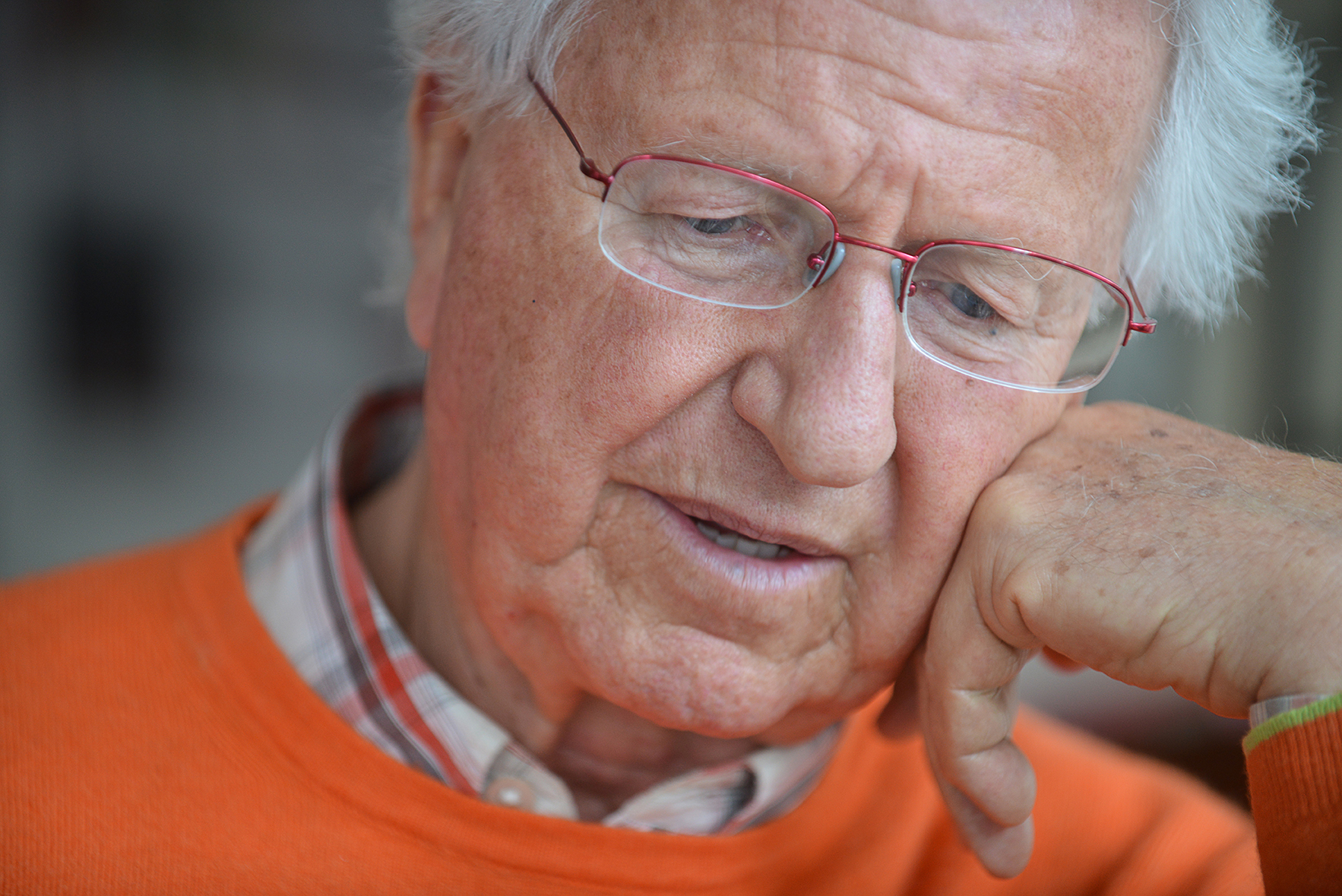
It often starts quietly. A missed call. A comment that lingers. A small change in routine that feels heavier than it should. Soon, thoughts begin to loop: Am I doing enough? Am I missing something? What if this gets worse?
Many adult children find themselves asking the same question: Am I overthinking my elderly parent’s situation, or is my concern justified?
The answer is rarely simple. What feels like overthinking is often a complex mix of responsibility, emotional attachment, uncertainty, and love.
Why Overthinking Is So Common in Later-Life Care
Find YOUR ideal care home NOW!
Caring, even indirectly, for an elderly parent places the mind in a heightened state of awareness. Unlike earlier stages of parenting, there are no clear milestones or predictable timelines. Changes can be gradual, inconsistent, or ambiguous.
This uncertainty invites mental scanning. The brain fills gaps with scenarios, questions, and imagined outcomes. Overthinking becomes a way to regain control in a situation where certainty is limited.
In many cases, overthinking is not excess worry, it is unresolved responsibility.
The Difference Between Awareness and Anxiety
There is an important distinction between being attentive and being consumed by concern. Awareness involves observing patterns, noticing changes, and responding thoughtfully. Anxiety, by contrast, thrives on repetition without resolution.
When thoughts return without new information, without action, and without relief, overthinking may be at play. This does not mean concerns are invalid it means the mind is working harder than the situation requires.
Understanding this difference helps families respond more proportionately.
Emotional Proximity Intensifies Perception
Adult children are emotionally close to their parents. This proximity can magnify small signals. What might seem minor to an outsider can feel urgent to someone deeply connected.
This heightened perception is not a flaw. It reflects empathy and attachment. However, it can also distort perspective, making every change feel like a warning sign.
Distance emotional, not relational often helps restore balance.
When Overthinking Becomes a Signal
Overthinking is not always something to silence. Sometimes it points to unmet needs for reassurance, clarity, or shared responsibility.
Persistent mental loops often emerge when decisions feel unfinished or when roles are unclear. The mind keeps returning to the same questions because it lacks a stable framework.
In this sense, overthinking is less about imagination and more about the absence of structure.
Signs You May Be Overthinking
| Thought Pattern | What It Often Reflects | Helpful Shift |
|---|---|---|
| Replaying the same concerns daily | Uncertainty without new input | Seek external perspective |
| Monitoring every small change | Fear of missing something important | Focus on patterns, not moments |
| Feeling guilty despite no clear issue | Emotional responsibility overload | Clarify realistic role boundaries |
When Concern Is Actually Appropriate
Not all worry is excessive. Concern becomes meaningful when it is grounded in observable change: consistent withdrawal, repeated confusion, ongoing difficulty managing daily life, or increased risk.
The key difference is direction. Healthy concern leads to observation, conversation, or consultation. Overthinking leads to mental repetition without movement.
Action, even small, often reduces mental noise.
Letting Go of the Need for Perfect Certainty
One of the hardest aspects of supporting an elderly parent is accepting that certainty is rarely available. Waiting until every doubt disappears often means waiting indefinitely.
Care decisions, adjustments, and conversations usually happen in shades of gray. Accepting this ambiguity allows families to act thoughtfully without being paralyzed by overanalysis.
Clarity often comes after steps are taken not before.
Rebalancing Thought and Presence
Overthinking pulls attention into the future. Presence brings it back to what is happening now. Observing how your parent is actually living — not how you fear they might be — restores proportion.
Regular check-ins grounded in reality, rather than imagined scenarios, help transform concern into informed awareness.
Care becomes calmer when thinking is anchored in observation.
FAQ – Overthinking and Elderly Care
Is it normal to overthink a parent’s situation?
Yes. Emotional closeness and responsibility naturally increase mental attention and concern.
How can I tell if I’m overthinking?
If your thoughts repeat without new information or action, and increase anxiety rather than clarity, overthinking may be present.
Does overthinking mean I’m doing something wrong?
No. It often reflects care, empathy, and uncertainty, not failure.
What helps reduce overthinking?
External perspective, clearer role boundaries, and focusing on patterns instead of isolated moments.
Summary
Overthinking is a common experience for adult children caring for elderly parents. The lack of clear milestones, gradual changes, and emotional closeness amplify attention and concern. While heightened awareness can be helpful, persistent mental repetition without action may indicate overthinking. Healthy concern is distinguished by observation, reflection, and steps toward resolution, whereas overthinking loops in uncertainty.
Key Takeaways
- Emotional proximity to a parent heightens sensitivity to small changes, which is normal and empathetic.
- Awareness is constructive; overthinking involves repetitive, unresolved mental loops.
- Overthinking often signals a need for clarity, shared responsibility, or actionable steps.
- Focus on observable patterns, not isolated incidents, to differentiate concern from overanalysis.
- Action, even small steps, reduces mental noise and restores perspective.
- Accepting uncertainty allows for thoughtful decision-making without paralysis.
- Regular, reality-grounded check-ins help transform worry into informed awareness and calm care.
When should concern turn into action?
When changes are consistent, observable, and affect daily functioning or safety.
Need help finding a care home?
Senior Home Plus offers free personalized guidance to help you find a care facility that suits your health needs, budget, and preferred location in the UK.
Call us at 0203 608 0055 to get expert assistance today.
You are looking for a care home or nursing home for your loved one ?
Get our support
Share this article :
Latest posts










You are looking for an establishment for your loved one ?
Get availability & prices
Fill in this form and receive
all the essential information
We would like to inform you of the existence of the opposition list for telephone canvassing.
