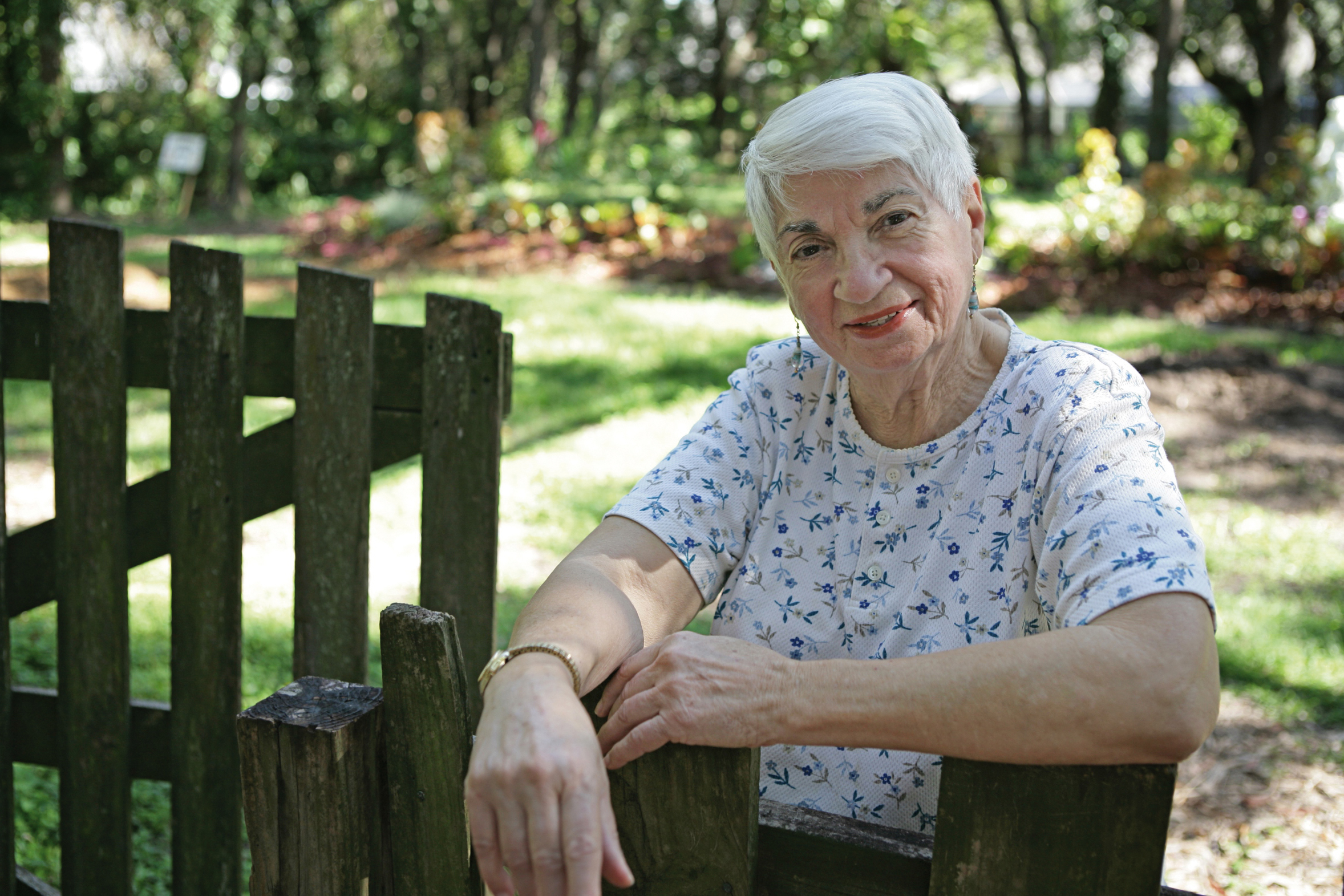
For many elderly people, safety is defined by familiarity. Home feels reassuring, routines provide comfort, and independence offers a sense of control. When daily life follows a predictable rhythm, it is easy to believe that everything is under control.
Yet feeling safe and being safe are not always the same thing. This distinction becomes increasingly important with age, as subtle changes can undermine real safety long before discomfort or danger is consciously acknowledged. Understanding this gap is essential for families seeking to protect both autonomy and well-being.
Why Feeling Safe Can Be Misleading
Find YOUR ideal care home NOW!
Feeling safe is largely emotional. It is rooted in habit, memory and familiarity. When an environment is well known, risks tend to fade into the background, even if they are objectively present.
Elderly individuals may feel secure because they have successfully navigated their daily environment for years. However, physical stamina, reaction time and adaptability often change gradually. These shifts rarely alter the emotional sense of safety, but they can significantly affect actual risk.
This is why many safety issues emerge not because someone feels unsafe, but because reality has quietly changed while perception has remained the same.
Being Safe Depends on Adaptability, Not Routine
Actual safety depends less on routine and more on resilience. It is the ability to handle unexpected situations, recover from minor setbacks and respond calmly to disruption.
A person may feel safe as long as everything goes according to plan. True safety, however, is revealed when something goes wrong. Reduced balance, slower reaction times or hesitation under stress can turn ordinary situations into dangerous ones, even when confidence remains high.
When safety relies entirely on routine, it becomes fragile.
Why Families Often Notice the Difference First
Families frequently sense the difference between feeling safe and being safe before the elderly person does. This awareness often appears as unease rather than certainty. There may be no single incident to point to, only a growing concern.
Relatives observe small adaptations, increased effort for routine tasks or subtle avoidance of certain activities. These signs suggest that safety margins are shrinking, even if daily life continues smoothly.
Because these observations are difficult to articulate, they are often dismissed or postponed, allowing risk to grow quietly.
Key Differences Between Feeling Safe and Being Safe
| Aspect | Feeling Safe | Being Safe |
|---|---|---|
| Basis of confidence | Familiarity and habit | Physical and cognitive resilience |
| Reaction to change | Discomfort or denial | Adaptation and recovery |
| Response to emergencies | Confidence based on past experience | Ability to act effectively under stress |
| Margin for error | Often underestimated | Actively managed |
| Risk awareness | Low due to familiarity | High due to realistic assessment |
Why Accidents Often Seem Sudden
When someone feels safe, warning signs are easy to ignore. Safety concerns are postponed until a clear incident occurs. This is why accidents often appear sudden and unexpected.
In reality, the conditions for risk usually exist long before an accident happens. Reduced adaptability, accumulated fatigue and shrinking margins for error all contribute to vulnerability. Feeling safe delays recognition of these changes.
Reframing Safety as a Dynamic Concept
Safety is not a fixed state. It evolves as circumstances change. Acknowledging the difference between emotional comfort and practical safety allows families to approach support proactively rather than reactively.
Addressing safety early does not mean removing independence. It means strengthening it by adapting environments, routines and expectations to current realities.
Frequently Asked Questions
Why can someone feel safe even when they are not fully safe?
Because emotional security is driven by familiarity, while real safety depends on physical and cognitive resilience.
Is feeling safe enough to ensure protection?
No. Feeling safe does not account for how someone will respond to unexpected situations or emergencies.
Why do families notice safety issues before the elderly person does?
Because relatives observe subtle changes from the outside that may not affect the person’s sense of confidence.
Can addressing safety early reduce independence?
No. Early adjustments often preserve independence by preventing crises.
What is the benefit of acting before an accident occurs?
It allows for calm planning, reduced stress and greater control over future decisions.
Summary
Feeling safe is often based on familiarity, routine and emotional comfort rather than actual physical or cognitive resilience. As people age, gradual changes in mobility, reaction time and adaptability can reduce real safety without immediately affecting how secure they feel. This creates a gap between perception and reality, where risks increase quietly while confidence remains unchanged. Families are often the first to notice these subtle changes. Understanding that safety depends on adaptability rather than habit helps identify risks earlier and allows for proactive support rather than reactive crisis management.
Key Takeaways
- Feeling safe is based on familiarity and emotional comfort, not actual ability to respond to risk.
- Real safety depends on adaptability, physical resilience and cognitive response under stress.
- Age-related changes often reduce safety margins without changing perceived confidence.
- Families tend to notice early warning signs before the individual recognises them.
- Accidents often appear sudden but are usually the result of gradual, unnoticed changes.
- Addressing safety early helps preserve independence rather than reduce it.
Need help finding a care home?
Senior Home Plus offers free personalized guidance to help you find a care facility that suits your health needs, budget, and preferred location in the UK.
Call us at 0203 608 0055 to get expert assistance today.
You are looking for a care home or nursing home for your loved one ?
Get our support
Share this article :
Latest posts










You are looking for an establishment for your loved one ?
Get availability & prices
Fill in this form and receive
all the essential information
We would like to inform you of the existence of the opposition list for telephone canvassing.
