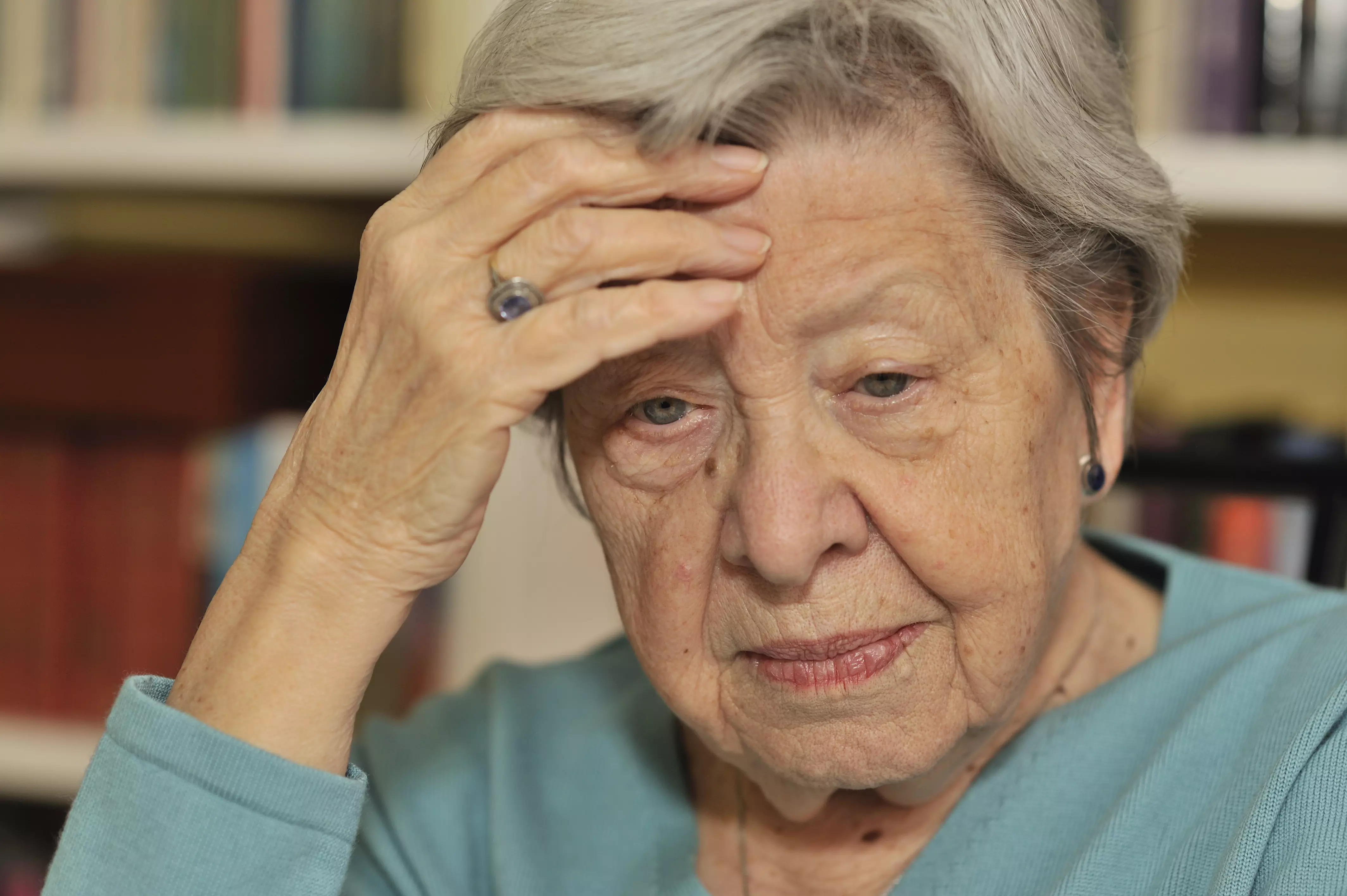
For a long time, care for the elderly was framed around devotion and endurance. Families were expected to give more time, more energy, and more presence often without limits. The unspoken ideal was sacrifice.
Today, that model is quietly being replaced.
Modern elderly care is increasingly defined by sustainability: the ability to support someone well, consistently, and respectfully over time without exhausting families, eroding relationships, or compromising dignity.
This shift reflects not less care, but wiser care.
From Short-Term Effort to Long-Term Balance
Find YOUR ideal care home NOW!
Many care arrangements begin with intensity. Families step in, routines are reorganized, and energy is mobilized. In the short term, this can work. Over months or years, however, unsustainable care often leads to burnout, tension, and emotional fatigue.
Sustainable care recognizes a simple truth:
Care is not a sprint. It is a long-distance journey.
The goal is no longer to do everything today, but to create conditions that can be maintained tomorrow.
Why Unsustainable Care Fails: Even With Good Intentions
Care that relies solely on constant vigilance or personal sacrifice often collapses under its own weight. Emotional exhaustion reduces patience. Fatigue increases conflict. Relationships suffer.
This breakdown is not a moral failure. It is a structural one.
Modern care acknowledges limits, physical, emotional, and logistical, and builds support around them rather than ignoring them.
Sustainability protects both the person receiving care and those providing it.
Sustainability Preserves Dignity and Identity
When care becomes overwhelming, the focus shifts to crisis management. Preferences fade. Conversations become functional. The individual risks being reduced to a set of needs.
Sustainable care slows this erosion. By sharing responsibility and reducing strain, it creates space for dignity, choice, and individuality to remain central. Care that can last is care that respects identity.
Families Need Sustainability Too
One of the most significant changes in modern care thinking is the recognition that families are not an infinite resource.
Emotional availability, presence, and patience all depend on balance. When families are supported, they remain engaged. When they are overwhelmed, involvement becomes strained.
Sustainability ensures that care strengthens relationships rather than quietly damaging them.
Sustainability Is Not About Doing Less
A common misunderstanding is that sustainable care means stepping back. In reality, it often requires more intention, not less involvement.
It means:
- planning rather than reacting,
- sharing responsibility rather than carrying it alone,
- adjusting care as needs evolve rather than waiting for crisis.
Sustainability is active, not passive.
Traditional Care vs. Sustainable Care
| Care Approach | Primary Focus | Long-Term Outcome |
|---|---|---|
| Effort-based care | Doing as much as possible | Burnout and instability |
| Crisis-driven care | Reacting to problems | Emotional fatigue |
| Sustainable care | Balance and continuity | Stability and preserved relationships |
Sustainability Supports Adaptation Over Time
Aging is not static. Needs evolve. Energy fluctuates. Circumstances change.
Sustainable care is flexible by design. It allows for reassessment and adjustment without framing change as failure. This adaptability reduces fear around decisions and encourages earlier, lighter interventions rather than late, heavy ones.
Care that can evolve is care that can endure.
Why Sustainability Reduces Guilt
Many families struggle with guilt when care changes form. Sustainability reframes the narrative.
Instead of asking, Am I doing enough?, families begin asking, Can this continue without harm?
This shift replaces moral pressure with practical wisdom. Guilt softens when care feels thoughtful rather than exhausting.
FAQ – Sustainability in Elderly Care
What does sustainable care mean?
Care that can be maintained over time without emotional, physical, or relational exhaustion.
Why is sustainability so important today?
Because people are living longer, and care often spans many years rather than short periods.
Does sustainable care reduce family involvement?
No. It preserves involvement by preventing burnout and overload.
Can sustainable care still be deeply caring?
Yes. Sustainability strengthens care by protecting dignity, relationships, and continuity.
How can families move toward sustainability?
By planning ahead, sharing responsibility, and reassessing care regularly.
Need help finding a care home?
Senior Home Plus offers free personalized guidance to help you find a care facility that suits your health needs, budget, and preferred location in the UK.
Call us at 0203 608 0055 to get expert assistance today.
You are looking for a care home or nursing home for your loved one ?
Get our support
Share this article :
Latest posts










You are looking for an establishment for your loved one ?
Get availability & prices
Fill in this form and receive
all the essential information
We would like to inform you of the existence of the opposition list for telephone canvassing.
