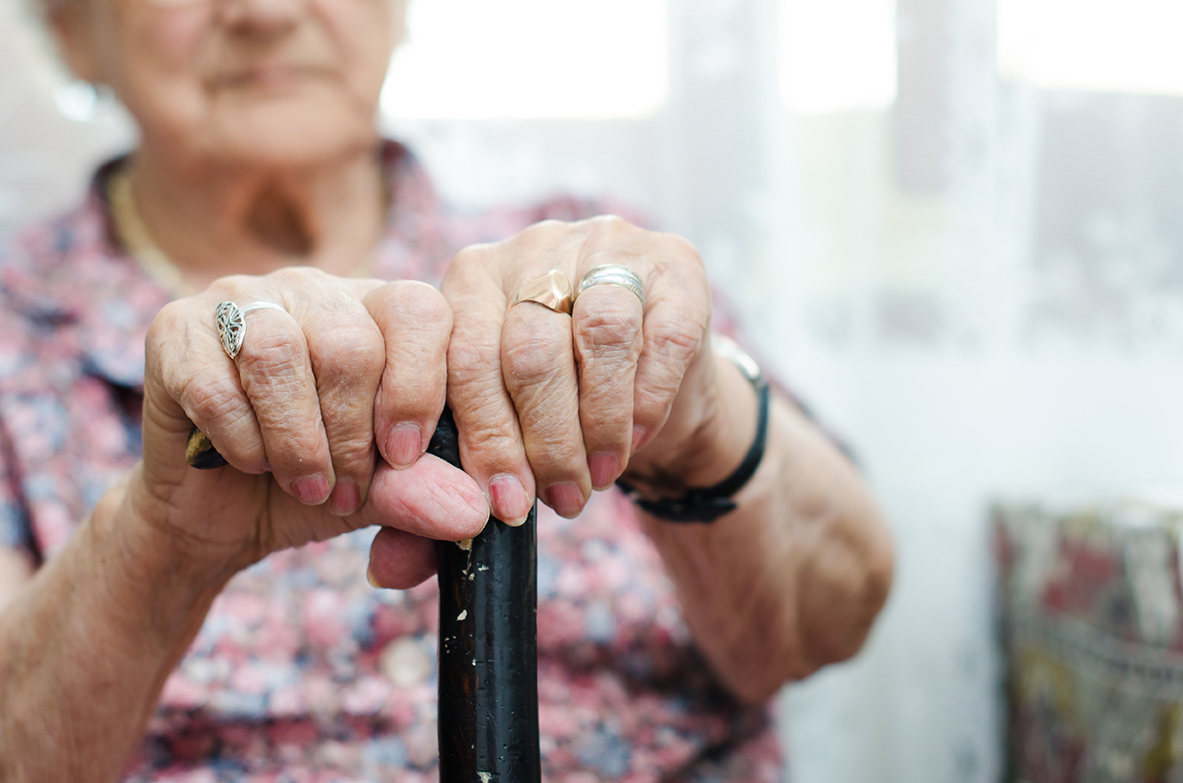
Elder abuse is far more widespread than official figures suggest. Behind every reported case, many others remain hidden unspoken, unacknowledged, and unresolved. The reasons are complex, deeply human, and often misunderstood.
For older adults, reporting abuse is rarely a simple decision. Emotional ties, fear of consequences, and loss of autonomy all play a role. Understanding why elder abuse so often goes unreported is essential to recognising risk early and creating safer, more supportive environments.
This article explores the key barriers that prevent older adults from speaking up and explains how silence becomes part of the problem.
Abuse Hidden Within Relationships of Trust
Find YOUR ideal care home NOW!
One of the most significant reasons elder abuse goes unreported is that it frequently occurs within relationships built on trust. The person causing harm may be a family member, informal carer, or someone the older adult depends on daily.
Reporting abuse in these circumstances can feel like betrayal. Many older adults fear damaging family relationships or creating conflict that could leave them more isolated than before.
Fear of Losing Independence
For many seniors, independence is closely tied to identity and dignity. Reporting abuse can feel like admitting vulnerability or incapacity.
Older adults may worry that speaking up will result in:
- Loss of control over daily decisions
- Increased monitoring or intervention
- Pressure to change living arrangements
- Reduced autonomy
This fear often outweighs concern about the abuse itself, particularly when harm is subtle or non-physical.
Emotional Barriers That Keep Abuse Unspoken
Elder abuse is not only a practical issue; it is an emotional one. Feelings of shame, guilt, and self-blame are common and powerful silencing forces.
| Emotional Barrier | How It Prevents Reporting | Common Internal Belief |
|---|---|---|
| Shame | Prevents disclosure due to fear of judgement. | “I should have known better.” |
| Guilt | Leads to protecting the abuser. | “They are under a lot of stress.” |
| Fear | Creates anxiety about retaliation or abandonment. | “Things could get worse if I speak.” |
| Self-blame | Normalises mistreatment as deserved. | “I am difficult to care for.” |
When Abuse Does Not Look Like Abuse
Many older adults do not label their experiences as abuse. Emotional manipulation, financial pressure, or neglect may be seen as inconvenience, misunderstanding, or the cost of needing help.
If abuse does not match stereotypical images of violence, it may be dismissed as normal ageing or family tension.
Cognitive Decline and Reduced Ability to Report
Cognitive changes can make it harder for older adults to recognise, remember, or articulate abusive situations. Confusion, memory loss, or difficulty communicating can all limit reporting.
In these cases, abuse may only be identified indirectly through changes in behaviour, mood, or financial patterns.
Social Isolation and Lack of Safe Listeners
Isolation significantly reduces opportunities to disclose abuse. When older adults have limited social contact, they may not have a trusted person to confide in or even realise that their experience is not normal. Without regular interaction, abuse can persist unnoticed for extended periods.
Fear of Not Being Believed
Some older adults fear that their concerns will be dismissed or minimised. They may worry about being seen as confused, exaggerating, or “making trouble.”
This fear is particularly strong when the abuser appears helpful, respected, or involved in care.
Why Families and Communities Also Miss the Signs
Silence is not maintained by older adults alone. Families may avoid uncomfortable conversations, misinterpret warning signs, or assume that someone else is monitoring the situation.
Abuse thrives in environments where questions are not asked and assumptions replace observation.
Breaking the Silence Requires More Than Awareness
Encouraging reporting requires creating safe, non-judgemental spaces where older adults feel heard and respected. Trust builds slowly, and disclosure often happens in stages.
Listening without rushing to conclusions or solutions is often the most important first step.
FAQ – Why Elder Abuse Goes Unreported
Why don’t elderly people report abuse?
Fear of losing independence, emotional ties to the abuser, shame, and fear of consequences are common reasons.
Is elder abuse usually reported by the victim?
No. Many cases are identified by family members or professionals rather than the older adult themselves.
Does emotional abuse go unreported more often?
Yes. Emotional abuse is particularly difficult to identify and is often minimised or normalised.
Can abuse go unreported even when it is serious?
Yes. The severity of abuse does not always determine whether it is reported.
How can families encourage disclosure?
By creating a supportive, non-judgemental environment and maintaining regular, open communication.
Summary
This article explores why elder abuse often remains hidden, particularly when it occurs within trusted relationships such as family members or caregivers. It explains that emotional bonds, dependency, and fear of damaging relationships make reporting difficult for older adults. Key barriers include fear of losing independence, shame, guilt, self-blame, and anxiety about retaliation or being disbelieved.
The article also highlights that cognitive decline and social isolation further reduce the ability or opportunity to report abuse, while non-physical forms of mistreatment are often normalized or overlooked.
Key Takeaways
- Elder abuse often goes unreported because it occurs within trusted relationships such as family members or caregivers.
- Fear of losing independence or being moved into different care arrangements discourages older adults from speaking up.
- Emotional barriers like shame, guilt, self-blame, and fear of retaliation significantly reduce reporting rates.
- Many forms of abuse are subtle and may be normalized as family stress, caregiving difficulty, or ageing-related issues.
- Cognitive decline and social isolation further limit the ability to recognize, communicate, or disclose abuse.
- Fear of not being believed is a major barrier, especially when the abuser appears trustworthy or responsible.
- Families and communities often miss warning signs due to avoidance, assumptions, or lack of consistent observation.
- Creating safe, non-judgemental environments and maintaining open communication is key to encouraging disclosure.
Need help finding a care home?
Senior Home Plus offers free personalized guidance to help you find a care facility that suits your health needs, budget, and preferred location in the UK.
Call us at 0203 608 0055 to get expert assistance today.
You are looking for a care home or nursing home for your loved one ?
Get our support
Share this article :
Latest posts










You are looking for an establishment for your loved one ?
Get availability & prices
Fill in this form and receive
all the essential information
We would like to inform you of the existence of the opposition list for telephone canvassing.
