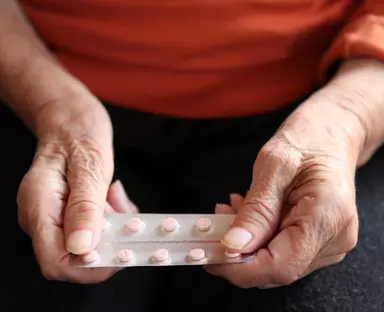
After the age of 75, injuries take on a different dimension. What might once have been a temporary setback increasingly becomes a serious health event with long-term consequences. Falls, minor trauma, or everyday accidents are more likely to lead to hospitalisation, loss of independence, or lasting decline.
Understanding why injuries are more serious after 75 helps families and older adults recognise risks earlier, and act before a preventable injury becomes a life-altering event.
Reduced physiological reserves after 75
Find YOUR ideal care home NOW!
Ageing gradually reduces the body’s ability to cope with stress. After 75, this reduction becomes more pronounced. Muscles weaken, bones lose density, balance becomes less reliable, and reaction time slows. The body has fewer reserves to absorb shock or recover quickly.
As a result, injuries that once caused bruising or short-term pain are more likely to result in fractures, prolonged immobility, or complications. Recovery takes longer, and the margin for error becomes very small.
Slower healing and higher complication risk
Healing capacity declines significantly with advanced age. Reduced circulation, slower cellular repair, and changes in immune response mean that wounds heal more slowly and fractures take longer to stabilise.
This slower recovery increases the risk of complications such as infections, prolonged pain, and functional decline. Even a minor injury can set off a chain reaction that affects overall health, mobility, and confidence.
Greater impact on balance and mobility
After 75, mobility is often already more fragile. An injury that limits movement, even briefly, can lead to rapid deconditioning. Muscle loss, stiffness, and reduced balance develop quickly when activity decreases.
This creates a dangerous cycle: injury leads to less movement, less movement leads to weakness, and weakness increases the risk of another injury. Each incident compounds the next, accelerating overall decline.
Why Injuries Have Greater Consequences After 75
| Age-Related Change | Effect After Injury | Resulting Risk |
|---|---|---|
| Lower muscle mass | Reduced support and stability | Falls and mobility loss |
| Bone fragility | Higher fracture risk | Long-term loss of independence |
| Slower healing | Prolonged recovery | Medical complications |
| Balance decline | Difficulty compensating after injury | Repeated falls |
| Reduced resilience | Less ability to “bounce back” | Escalation to hospitalisation |
The cognitive and emotional dimension
After 75, injuries often affect more than physical function. Pain, fear of falling again, and disrupted routines place additional strain on cognitive and emotional health. Confusion, anxiety, or withdrawal may appear after an injury, even when no direct head trauma occurred.
These changes can reduce confidence and increase dependence. Older adults may limit activity not because they cannot move, but because they no longer feel safe doing so.
Why one injury often changes everything
For many people over 75, an injury becomes a turning point. Recovery may not restore previous levels of function or confidence. What was once manageable independence may suddenly feel fragile.
Families often notice that after an injury, daily life requires more support than before. This does not mean failure, it reflects the reality that physical reserves are lower and risks are higher at this stage of life.
Prevention matters more than ever after 75
Because recovery is harder and consequences are greater, prevention becomes critical. Near-falls, increased stiffness, fatigue, or hesitation should be treated as warning signs rather than normal ageing.
Early awareness allows adjustments to be made calmly and proactively, reducing the likelihood that a single injury will trigger lasting decline.
FAQ – Injuries After 75
Are injuries always more serious after 75?
Not always, but the risk of complications and long-term impact is significantly higher.
Why do seniors over 75 recover more slowly?
Reduced circulation, slower cellular repair, and lower physical reserves delay healing.
Can one injury really change independence after 75?
Yes. Even a single injury can lead to lasting mobility loss or reduced confidence.
Does fear after injury increase risk?
Yes. Fear leads to reduced movement, which accelerates weakness and fall risk.
When should families be especially vigilant?
After any fall, injury, or noticeable change in mobility, confidence, or behaviour.
Summary
After the age of 75, the body’s physiological reserves decline significantly, reducing its ability to cope with injury and stress. Muscle weakness, reduced bone density, slower reaction time, and poorer balance all contribute to higher injury risk and more serious outcomes. Recovery also becomes slower due to reduced circulation, slower cellular repair, and weaker immune response. As a result, even minor injuries can trigger prolonged immobility, complications, and a decline in overall independence and confidence.
Key Takeaways
- Physiological reserves decline sharply after 75, reducing the body’s ability to recover from stress.
- Muscle weakness, bone fragility, and slower reaction times increase injury severity.
- Healing is slower due to reduced circulation and cellular repair capacity.
- Even minor injuries can lead to complications such as infections or prolonged immobility.
- Reduced mobility after injury can quickly lead to deconditioning and further weakness.
- Injuries often affect confidence, increasing fear and reducing independence.
Need help finding a care home?
Senior Home Plus offers free personalized guidance to help you find a care facility that suits your health needs, budget, and preferred location in the UK.
Call us at 0203 608 0055 to get expert assistance today.
You are looking for a care home or nursing home for your loved one ?
Get our support
Share this article :
Latest posts










You are looking for an establishment for your loved one ?
Get availability & prices
Fill in this form and receive
all the essential information
We would like to inform you of the existence of the opposition list for telephone canvassing.
