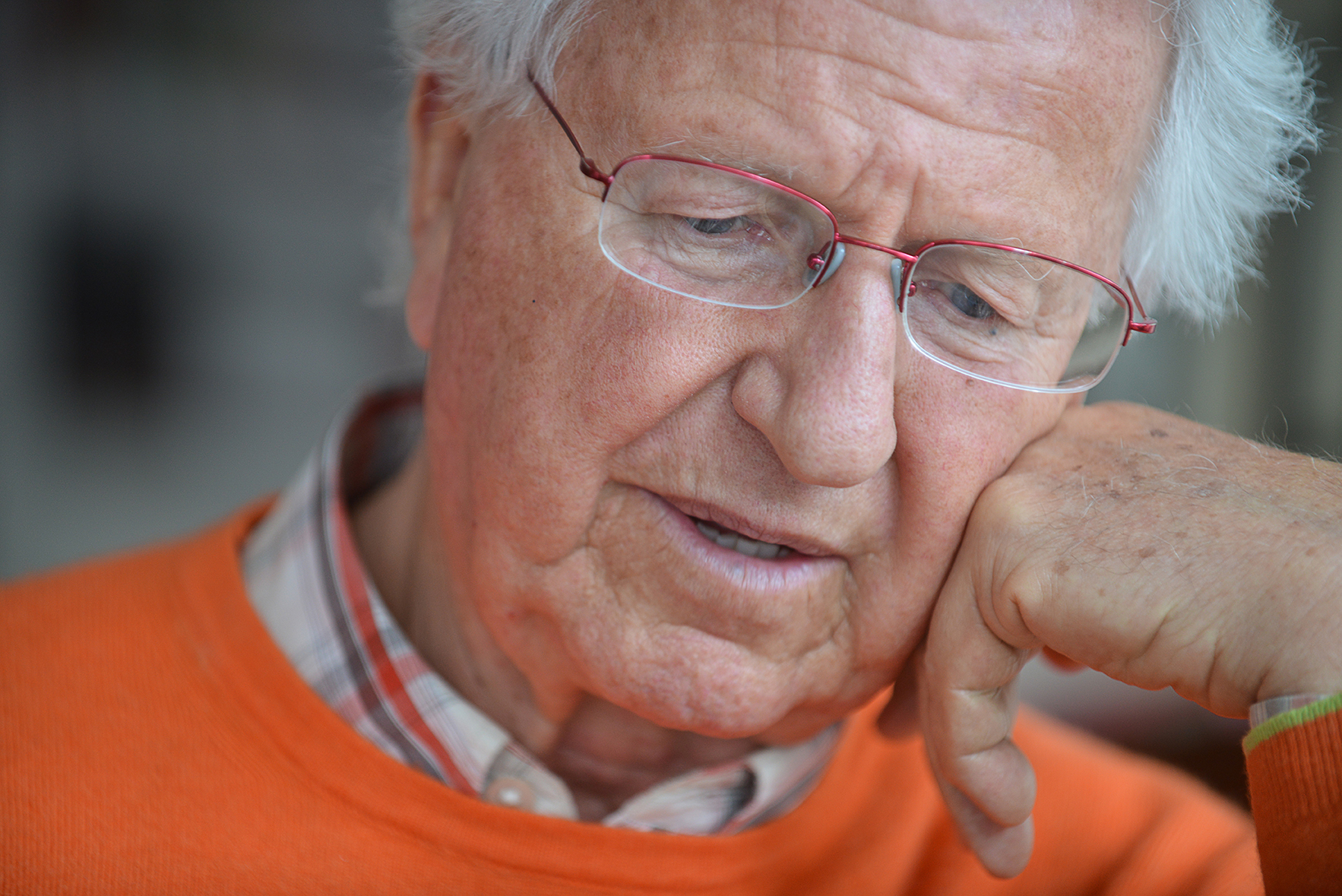
Patience is often described as a personality trait something one either has or lacks. Yet research and lived experience suggest that patience evolves over time. Many seniors report feeling calmer, less reactive, and more tolerant than they were earlier in life. This shift is not accidental, nor is it simply a byproduct of slowing down.
Patience in later life reflects a complex interplay between experience, emotional regulation, cognitive changes, and shifting priorities. Understanding why seniors often become more patient helps reframe aging not as decline, but as psychological maturation.
Life Experience Reduces Urgency
Find YOUR ideal care home NOW!
One of the most significant contributors to increased patience is accumulated life experience. Over decades, individuals encounter challenges, setbacks, and uncertainties and learn that most situations resolve themselves over time.
Seniors are less likely to interpret delays or inconveniences as threats. Experience teaches perspective: not every obstacle requires immediate action, and not every frustration deserves emotional energy. This long-term view naturally fosters patience.
Rather than reacting impulsively, older adults tend to pause, assess, and respond.
Emotional Regulation Improves With Age
Emotional regulation—the ability to manage and modulate emotional responses—often strengthens with age. Studies in psychology consistently show that older adults experience fewer extreme emotional reactions and recover more quickly from negative emotions.
This does not mean seniors feel less. It means they are better at choosing how much attention to give their feelings. Patience grows when emotions are acknowledged without being allowed to dominate behaviour.
This emotional maturity supports calmer interactions and reduced reactivity.
Shifting Priorities Change Expectations
In earlier life stages, time often feels scarce. Career pressures, family responsibilities, and social expectations create a sense of urgency. As people age, priorities shift.
Seniors tend to focus more on quality than speed, meaning rather than performance. When outcomes matter more than timelines, patience naturally increases. Waiting becomes less frustrating when the rush to “keep up” loses relevance.
Patience emerges as a logical response to redefined values.
Cognitive Changes That Support Calm Responses
While certain cognitive functions may slow slightly with age, others compensate. Older adults rely more on experience-based reasoning than rapid processing.
This cognitive shift encourages deliberation rather than impulsivity. Seniors are more likely to draw on pattern recognition knowing how situations usually unfold rather than reacting to surface-level triggers. Patience, in this sense, is not hesitation. It is informed restraint.
Reduced Sensitivity to Social Pressure
Social comparison plays a powerful role in impatience. The need to meet expectations, prove oneself, or stay competitive fuels frustration when things do not move quickly.
With age, sensitivity to social pressure often decreases. Seniors are less concerned with external validation and more comfortable with their own pace. This independence from comparison reduces the emotional cost of waiting or slowing down.
Patience grows when self-worth is no longer tied to speed or productivity.
Acceptance of Limits Without Self-Judgment
Patience is closely linked to acceptance. Many seniors develop a more realistic understanding of limits physical, emotional, or situational without interpreting them as personal failures.
This acceptance removes internal conflict. When expectations align with reality, frustration diminishes. Patience becomes a form of self-respect rather than resignation.
Learning when not to push is often a sign of wisdom, not weakness.
Why Patience Often Increases With Age
| Factor | Earlier Life Stages | Later Life |
|---|---|---|
| Life perspective | Short-term focus | Long-term understanding |
| Emotional response | Reactive and intense | Regulated and measured |
| View of time | Urgency-driven | Pace-aware |
| Social comparison | High sensitivity | Lower relevance |
| Response to frustration | Immediate reaction | Thoughtful response |
Patience as a Marker of Psychological Growth
Patience in later life is not passive waiting. It is an active form of emotional intelligence shaped by experience, reflection, and acceptance.
Seniors often demonstrate patience because they understand what deserves attention—and what does not. This discernment supports calmer relationships, reduced stress, and greater emotional stability.
Aging, in this sense, refines patience rather than eroding it.
FAQ – Patience and Aging
Is increased patience a normal part of aging?
Yes. Many people develop greater patience as emotional regulation and life perspective improve over time.
Does becoming more patient mean losing ambition?
No. It means prioritising meaningful goals over urgency-driven ones.
Why do seniors react less emotionally to stress?
Because experience and emotional regulation reduce the intensity and duration of stress responses.
Can patience still be learned later in life?
Yes. Patience continues to develop through reflection and adaptation at any age.
Is patience linked to mental well-being?
Yes. Higher patience is associated with lower stress and greater emotional balance.
Need help finding a care home?
Senior Home Plus offers free personalized guidance to help you find a care facility that suits your health needs, budget, and preferred location in the UK.
Call us at 0203 608 0055 to get expert assistance today.
You are looking for a care home or nursing home for your loved one ?
Get our support
Share this article :
Latest posts










You are looking for an establishment for your loved one ?
Get availability & prices
Fill in this form and receive
all the essential information
We would like to inform you of the existence of the opposition list for telephone canvassing.
