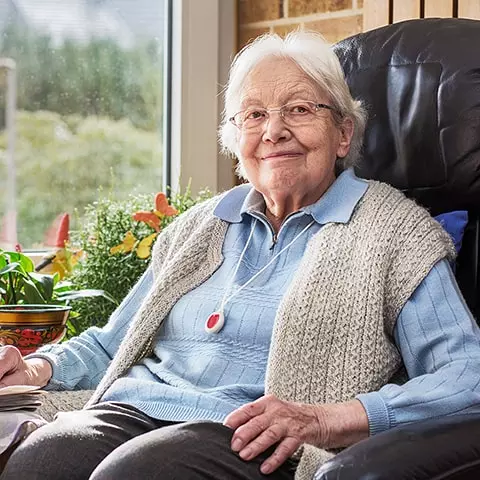
Extra care housing, often presented as an ideal middle ground between independent living and residential care, comes with significant drawbacks that are rarely discussed openly. Costs can exceed £40,000 per year, waiting lists stretch to 18 months in some areas, and residents have no say in who cares for them. While this housing model suits many older adults, it is far from the right choice for everyone. This guide examines the real disadvantages of extra care housing, with specific figures, real-world scenarios, and an honest comparison, so you or your family can make a genuinely informed decision.
Costs and financial considerations:
Find YOUR ideal care home NOW!
One of the primary disadvantages of extra care housing is the cost. These facilities often come with a price tag that includes rent, service fees, and additional charges for care and amenities. It's crucial to evaluate whether the financial aspect aligns with the individual's budget and resources.
Limited medical care:
Extra care housing primarily focuses on providing assistance with activities of daily living (ADLs) and basic healthcare needs. It may not offer the level of medical care provided in nursing homes or skilled nursing facilities. Individuals with complex medical conditions may require additional medical services that are not available on-site.
Waiting lists and availability:
Extra care housing can be in high demand, leading to waiting lists for admission. Securing a spot in a preferred facility may require patience and advanced planning. Availability can also be limited in certain geographic areas.
Community dynamics:
While extra care housing promotes social interaction, the dynamics of the community may not suit everyone. Residents have diverse backgrounds, interests, and personalities, which can lead to conflicts or discomfort for some individuals.
Level of independence:
Extra care housing offers a balance between independence and support, but for those who value complete autonomy, it may still feel restrictive. Some residents may find the presence of caregivers intrusive or feel like they have less control over their daily routines.
Relocation stress:
Moving into an extra care housing facility often involves a significant change in living arrangements. This transition can be emotionally and psychologically challenging, leading to stress and adjustment difficulties for some individuals.
Limited choice of caregivers:
Residents do not have the option to choose their caregivers in extra care housing, as staff members are assigned by the facility. Compatibility with caregivers may vary, and individuals may not always have a say in their care providers.
How much does extra care housing actually cost in the UK?
Costs vary significantly by region and provider, but here are realistic figures families should expect in 2026:
| Cost component | Typical range (per week) | Annual estimate |
|---|---|---|
| Rent (1-bed apartment) | £180 – £320 | £9,360 – £16,640 |
| Service charge | £80 – £200 | £4,160 – £10,400 |
| Personal care package (10h/week) | £150 – £350 | £7,800 – £18,200 |
| Meals (optional) | £60 – £120 | £3,120 – £6,240 |
| Total (typical) | £470 – £990 | £24,440 – £51,480 |
Local authority funding may cover part of the care package for those who qualify after a means test, but rent and service charges are typically self-funded. Anyone with savings above £23,250 is unlikely to receive financial support.
Ageing in place challenges:
While extra care housing aims to accommodate changing care needs, there may come a point where residents require a higher level of care. In such cases, individuals may need to transition to more intensive care settings, leading to another relocation.
Extra Care Housing vs. Alternative Senior Living Options
| Feature | Extra Care Housing | Nursing Homes | Independent Living |
|---|---|---|---|
| Independence | Moderate - private living but with support | Low - 24/7 care with structured routines | High - residents manage their own lives |
| Medical Care | Basic assistance, no complex medical services | Comprehensive 24/7 medical supervision | Minimal or no healthcare support provided |
| Social Engagement | Community activities and shared spaces | Limited due to structured care routines | Varies based on personal preference and lifestyle |
| Cost | Moderate to high, depends on services | High, includes medical and personal care | Lower, mainly covering rent and basic amenities |
| Caregiver Selection | Staff assigned by facility | Medical and care staff assigned | Residents hire their own caregivers if needed |
| Aging in Place | May require relocation if care needs increase | Long-term solution for high-care needs | Designed for independent seniors, limited care support |
Who extra care housing does NOT suit: real scenarios
Scenario 1: Advanced dementia
Margaret, 81, moved into an extra care scheme in Leeds after a mild cognitive impairment diagnosis. Within 14 months, her dementia had progressed to the point where she regularly left her flat at night, could not manage meals independently, and required continuous supervision. The scheme was not equipped for this level of need, and she was asked to move to a specialist dementia nursing home a second disruptive relocation at a vulnerable stage of her illness.
Key lesson: Extra care housing is not designed for moderate to severe dementia. If cognitive decline is likely to progress significantly, a dementia-specific care home may avoid a traumatic second move.
Scenario 2: Couples with different care needs
When one partner requires significantly more support than the other, extra care housing can create tension. Care packages are individual — meaning a spouse requiring 4 hours of daily care will have carers entering the shared apartment multiple times a day, which many couples find intrusive and disruptive to their relationship.
Additional reading: "Rights Violated in a Care Home? Here's Exactly What to Do"
Scenario 3: Rural areas with limited availability
Extra care housing is predominantly concentrated in urban and suburban areas. For seniors in rural counties — particularly in Wales, the Scottish Highlands, or rural England there may be no scheme within a reasonable distance of their family network, effectively forcing a choice between staying put without support or relocating far from loved ones.
Extra care housing offers a valuable housing option for older adults seeking a supportive and socially engaging living environment. However, it's crucial to be aware of the potential disadvantages, including costs, limited medical care, availability challenges, community dynamics, and the adjustment to a new living situation. Careful consideration of these drawbacks, along with an individual's specific needs and preferences, can help make an informed decision about whether extra care housing is the right choice for them or their loved ones.
Read also: "DWP PIP Warnings for Seniors 2026: What You Must Know Now"
5 warning signs that extra care housing may not be right for you
- You or your loved one has complex or rapidly changing medical needs. Extra care schemes employ care workers, not nurses. Conditions requiring regular clinical intervention, wound care, catheter management, IV medication cannot be managed on-site.
- The waiting list exceeds your current care timeline. Average waiting times in England range from 6 to 18 months. If care needs are urgent, a residential care home with immediate availability may be the safer option.
- Budget is tight and savings are below £50,000. After means-testing, many self-funders find their savings depleted within 2–3 years. Having a clear financial plan for what happens next is essential before committing.
- The individual is highly introverted or has significant social anxiety. Communal living, shared facilities, and regular interaction with neighbours and staff can feel overwhelming for people who strongly prefer solitude.
- Family carers want to remain heavily involved in daily care. Extra care schemes have their own care staff and routines. Families who wish to provide hands-on daily care may find this conflicts with scheme protocols.
FAQ:
1. Is extra care housing expensive?
Yes, costs can be high due to rent, service fees, and additional care charges. It's important to budget carefully and explore financial assistance options.
2. Does extra care housing provide medical services?
Extra care housing offers assistance with daily activities and basic healthcare but does not provide 24/7 medical supervision like a nursing home.
3. How long is the waiting list for extra care housing?
Waiting times vary depending on demand and location. Planning ahead and applying early can improve the chances of securing a spot.
4. Can residents choose their caregivers?
No, caregivers are assigned by the facility, which may lead to compatibility concerns for some residents.
5. What happens if a resident's health deteriorates?
If a resident requires higher levels of care, they may need to transition to a nursing home or specialized care facility.
6. How does extra care housing support socialization?
These facilities offer communal spaces, group activities, and events to encourage social interaction and reduce isolation.
7. What are the downsides of community living in extra care housing?
Community dynamics may not suit everyone, and conflicts can arise due to differing personalities and backgrounds.
8. How does extra care housing compare to nursing homes?
Extra care housing provides more independence but offers limited medical care, while nursing homes provide comprehensive 24/7 medical support.
9. Is it difficult to adjust to extra care housing?
The transition can be emotionally challenging, and some residents may experience relocation stress before settling in.
10. What factors should be considered before choosing extra care housing?
Key factors include cost, level of care required, availability, social environment, and long-term care options.
11. Can you be asked to leave an extra care housing scheme?
Yes. If your care needs exceed what the scheme can safely provide, the provider can give notice that you need to move to a more suitable setting. This is one of the most distressing aspects of extra care housing that families rarely anticipate at the outset. Always ask providers for their written policy on care escalation before signing any agreement.
12. Is extra care housing regulated by the CQC?
The care services delivered within extra care housing schemes are regulated by the Care Quality Commission (CQC). However, the housing element itself is not. This means the physical property, lease terms, and service charges fall outside CQC oversight — an important distinction if disputes arise with the landlord or housing provider.
13. What is the difference between extra care housing and sheltered housing?
Sheltered housing typically provides independent accommodation with an emergency alarm system and a scheme manager, but minimal personal care. Extra care housing goes further by including on-site care staff available 24 hours. The distinction matters because some providers market sheltered housing as "extra care" — always check what care hours are actually included in the contract.
Other article: "Universal Credit 2025: Exact Amounts, Dates & Who Qualifies"
Summary
Extra care housing offers a flexible senior living option that combines independent apartment-style living with access to support services. While it provides help with daily activities such as personal care, medication, and meals, it does not deliver full-time medical supervision like nursing homes.
Key drawbacks include relatively high costs, limited on-site medical care, potential waiting lists, and the emotional adjustment of moving into a shared community setting. Despite these challenges, it remains a popular choice for older adults who want independence with added security and support.
Key Takeaways
- Extra care housing can be expensive due to rent, service fees, and care charges.
- It does not provide 24/7 medical supervision like nursing homes.
- Availability may be limited, with waiting lists in many areas.
- Community living may not suit everyone’s personality or preferences.
- Residents may need to relocate if care needs increase significantly.
- Caregivers are assigned by the facility, not chosen by residents.
- Despite drawbacks, it balances independence with support for many seniors.
Need help finding a care home?
Senior Home Plus offers free personalized guidance to help you find a care facility that suits your health needs, budget, and preferred location in the UK.
Call us at 0203 608 0055 to get expert assistance today.

Do you need a care home for yourself or your loved one?
Share this article :
Latest posts










You are looking for an establishment for your loved one ?
Get availability & prices
Fill in this form and receive
all the essential information
We would like to inform you of the existence of the opposition list for telephone canvassing.
