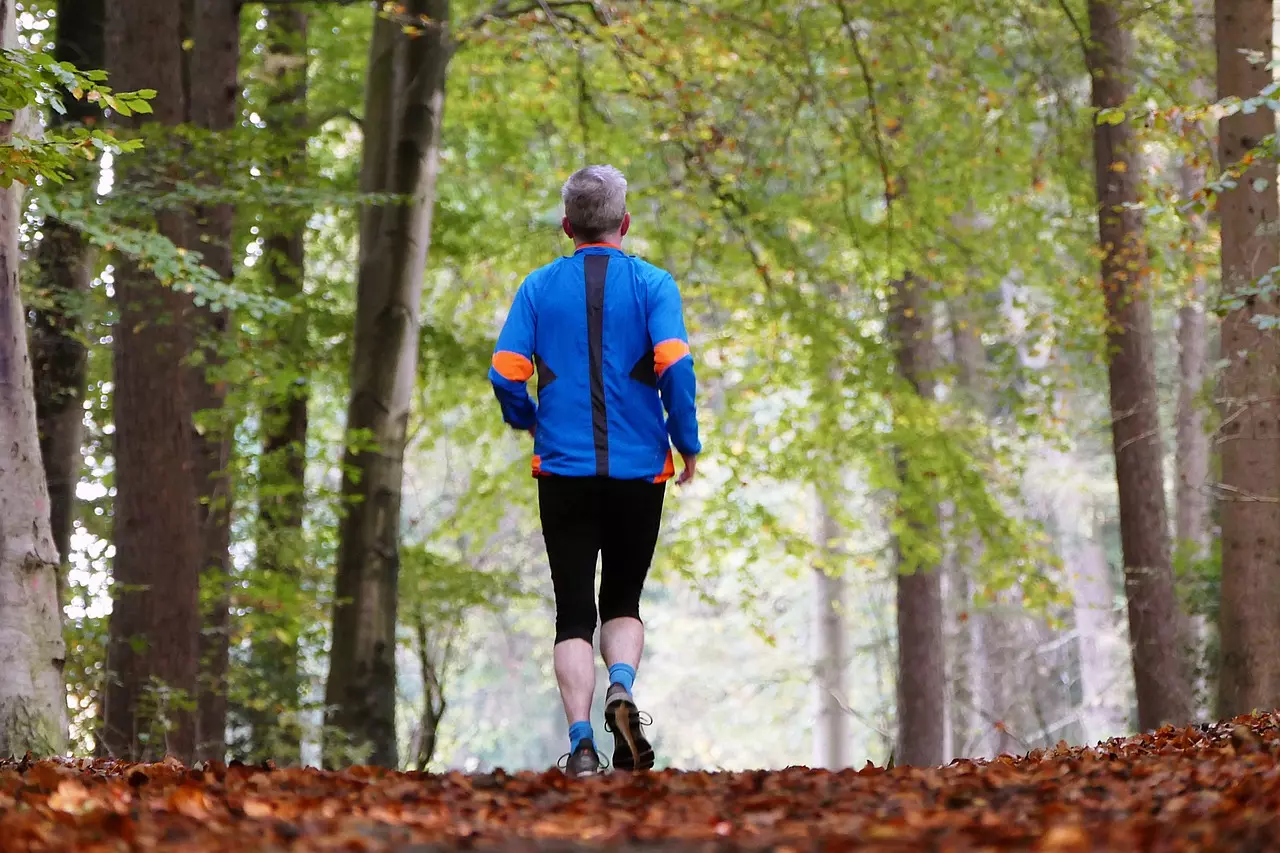
The question of when to slow down rarely arrives suddenly. It usually emerges quietly, through subtle shifts that are easy to overlook or dismiss. A task takes longer than expected. Recovery after effort feels less immediate. A day that once felt manageable now requires more concentration and rest. These changes often provoke uncertainty rather than clarity, because slowing down is frequently associated with loss rather than adaptation.
For many elderly people, slowing down feels like crossing an invisible line, one that separates who they were from who they are becoming. Yet slowing down is not a fixed event or a definitive decision. It is a process of adjustment, one that unfolds gradually and calls for attention rather than judgement.
Learning when to slow down is less about measuring capacity and more about listening to how effort is experienced.
Why Slowing Down Is Often Resisted
Find YOUR ideal care home NOW!
Slowing down is frequently resisted because it challenges deeply ingrained beliefs about autonomy, resilience, and self-worth. For decades, speed and endurance may have been associated with competence and independence. Reducing pace can therefore feel like admitting defeat, even when the body is simply asking for balance.
This resistance often leads people to push through early signals of fatigue, not because they lack awareness, but because they fear what slowing down might symbolise. In this context, slowing down is misinterpreted as giving up, rather than as a way of preserving energy and clarity. The fear lies not in the change itself, but in its meaning.
Slowing Down as a Form of Self-Regulation
As the body ages, self-regulation becomes more important than self-discipline. Energy is no longer evenly distributed throughout the day. It fluctuates, influenced by physical effort, emotional engagement, and mental focus.
Slowing down at the right moment allows these fluctuations to stabilise. It prevents energy from dropping too sharply and supports a more even rhythm across the day. This kind of slowing down is not passive. It is a deliberate response to internal signals. Self-regulation protects autonomy.
Signals That Suggest It May Be Time to Adjust Pace
The body often communicates the need to slow down through experiences rather than symptoms. These experiences are rarely dramatic, which is why they are often ignored.
You may notice that concentration fades sooner than before, that small decisions feel unexpectedly demanding, or that irritability appears without an obvious cause. Physical tiredness may not feel overwhelming, but persistent, lingering longer after effort.
These signals do not indicate incapacity. They suggest that the cost of effort has increased, and that continuing at the same pace may no longer be sustainable. Sustainability becomes the key measure.
The Difference Between Slowing Down and Stopping
One of the most common fears is that slowing down will inevitably lead to stopping altogether. This fear is understandable, but often unfounded.
Slowing down does not mean withdrawing from activity. It means redistributing effort in a way that allows activity to continue without exhaustion. Many people find that once they slow down intentionally, they are able to remain engaged for longer periods, with greater enjoyment and less strain. Slowing down extends participation.
Why Timing Matters More Than Quantity
Knowing when to slow down is often about timing rather than volume. Two identical activities can have very different effects depending on when they occur and how they are sequenced.
Slowing down before exhaustion sets in preserves energy. Waiting until fatigue becomes overwhelming often forces a complete stop. Recognising this difference requires attentiveness rather than toughness. Early adjustment prevents abrupt interruption.
How Slowing Down Affects Mental and Emotional Balance
Mental and emotional balance are closely linked to pacing. When effort exceeds available energy, emotional regulation becomes more difficult. Anxiety, frustration, or sadness may intensify, not because circumstances have worsened, but because the system is overloaded.
Slowing down creates space for emotions to settle and thoughts to organise. It allows experiences to be integrated rather than endured. Calm emerges from rhythm.
Slowing Down as a Way to Stay Engaged
| Daily Approach | Impact on Energy | Long-Term Effect |
|---|---|---|
| Maintaining previous pace | Gradual depletion and strain | Reduced engagement over time |
| Ignoring early fatigue | Sharp energy drops | Forced stops and frustration |
| Intentional slowing down | Stable and recoverable energy | Sustained activity and confidence |
Letting Go of External Benchmarks
One of the challenges in recognising when to slow down is comparison. Comparing current abilities to past performance or to others often distorts perception.
Slowing down becomes easier when benchmarks are internal rather than external. The relevant question shifts from “What should I be able to do?” to “How does this feel today?”. Internal reference points are more accurate.
Slowing Down Without Losing Confidence
Confidence does not depend on speed. It depends on coherence between intention and capacity. When pace aligns with energy, actions feel more controlled and less reactive.
Many people report that slowing down restores confidence, because it reduces mistakes, strain, and unpredictability. Confidence grows from alignment.
When Slowing Down Deserves Reflection
While slowing down is often a natural adaptation, sudden or unexplained changes in pace deserve attention. When slowing down is accompanied by sharp declines in function or persistent discomfort, it is important to seek understanding rather than ignore the change. Awareness is not alarm, but responsibility.
FAQ – Knowing When to Slow Down
Is slowing down a sign of decline?
No. It is often a sign of adaptation and self-awareness.
How can I tell the difference between tiredness and a need to slow down?
When fatigue lingers or affects clarity, pacing likely needs adjustment.
Will slowing down make me less active?
Usually the opposite. It supports sustained engagement.
Is it normal to need more pauses with age?
Yes. Energy recovery changes over time.
Should I wait until I feel exhausted to slow down?
No. Early adjustment is more effective.
Need help finding a care home?
Senior Home Plus offers free personalized guidance to help you find a care facility that suits your health needs, budget, and preferred location in the UK.
Call us at 0203 608 0055 to get expert assistance today.
You are looking for a care home or nursing home for your loved one ?
Get our support
Share this article :
Latest posts










You are looking for an establishment for your loved one ?
Get availability & prices
Fill in this form and receive
all the essential information
We would like to inform you of the existence of the opposition list for telephone canvassing.
