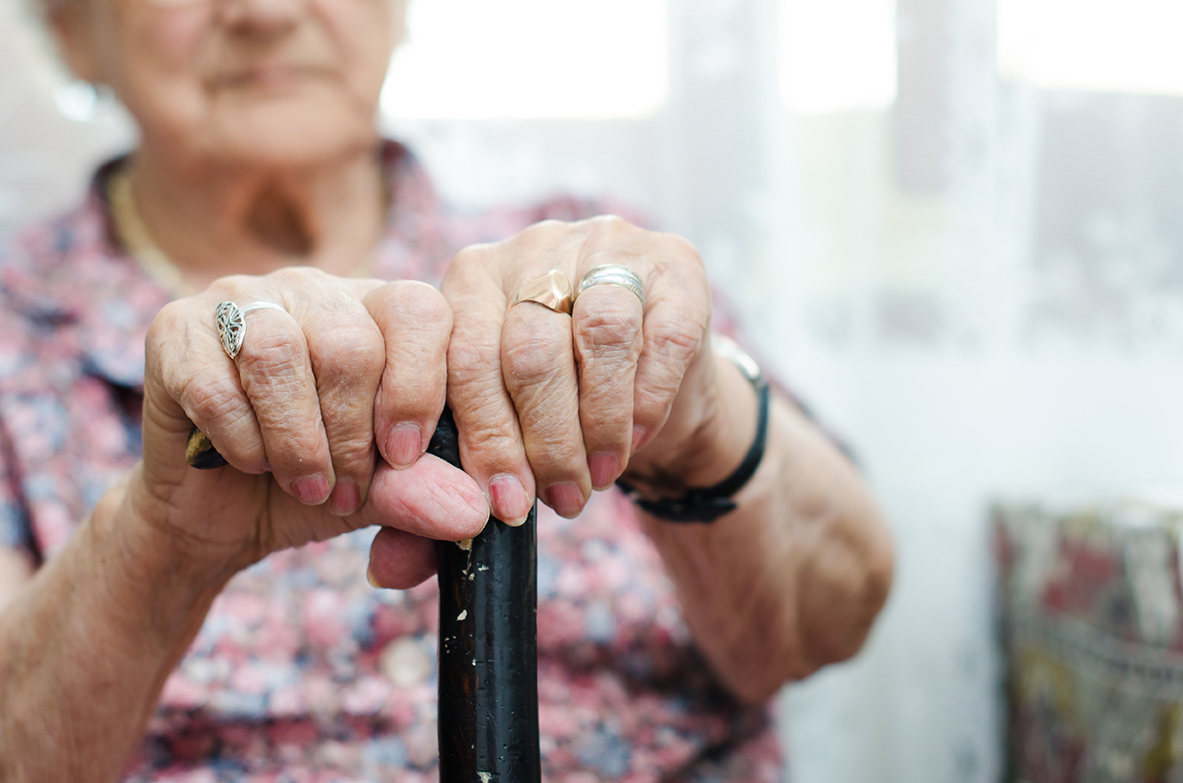
Elderly care decisions are never purely practical. In Cardiff, they are often shaped by language, culture and a strong sense of personal identity. As a bilingual capital city, Cardiff brings together English and Welsh traditions, family histories and community ties that play a central role in how older adults experience ageing and support.
Understanding these cultural dimensions helps families make care decisions that protect dignity, emotional wellbeing and continuity — not just physical safety.
Language as Emotional Comfort in Later Life
Find YOUR ideal care home NOW!
Language is more than a communication tool; it is a source of emotional security. For many older adults in Cardiff, particularly those who grew up using Welsh or switching between Welsh and English, language is closely linked to memory, identity and comfort.
As people age, familiar language often becomes more important. Stress, illness or cognitive change can make second languages harder to process, increasing the need for communication that feels natural and reassuring.
Cultural Continuity and a Sense of Belonging
Culture shapes routines, humour, values and social interaction. In Cardiff, older adults may feel a deep connection to local customs, community rhythms and shared history. These elements contribute to a sense of belonging that supports mental wellbeing.
Care decisions that overlook cultural continuity can unintentionally create feelings of loss or disorientation. Families who recognise the importance of maintaining familiar cultural reference points often see smoother transitions and better emotional outcomes.
Family Expectations and Intergenerational Values
Family involvement plays a significant role in care decisions in Wales. Many families in Cardiff feel a strong responsibility to remain actively involved in supporting older relatives, sometimes delaying formal care discussions out of respect or loyalty.
While family support is a strength, it can also lead to postponing necessary conversations. Acknowledging cultural expectations while planning realistically helps families balance tradition with long-term wellbeing.
| Cultural Factor | Why It Matters | Impact on Elderly Wellbeing |
|---|---|---|
| Preferred language | Emotional comfort and clarity | Reduced anxiety and confusion |
| Cultural routines | Sense of normality | Improved emotional stability |
| Community identity | Feeling understood and valued | Stronger sense of belonging |
| Family expectations | Respect for tradition | Shared responsibility and trust |
Considering care home options in Cardiff?
If you or a loved one are ageing in Cardiff and cultural identity, language or community connections are important, finding a care home that respects these values can help maintain comfort and belonging while providing practical daily support. Whether planning ahead or responding to changing needs, Senior Home Plus helps families explore care home options in Cardiff and surrounding areas that align with individual needs and preferences.
Get guidance on care homes in CardiffFree guidance • No obligation
When Identity Should Guide Care Decisions
As care needs increase, practical considerations become unavoidable. However, decisions that ignore identity and culture can undermine confidence and wellbeing.
In Cardiff, families often benefit from approaching care planning with a broader perspective — one that considers how language, customs and personal history influence comfort and engagement, particularly during periods of vulnerability.
Planning Care That Respects Culture and Dignity
Early planning allows older adults to express preferences and remain active participants in decisions about their future. This is especially important in a bilingual and culturally rich city like Cardiff.
Respecting identity does not complicate care planning; it strengthens it. Families who integrate cultural awareness into their approach often experience less resistance, clearer communication and more positive long-term outcomes.
Frequently Asked Questions About Culture and Elderly Care in Cardiff
Why does language matter in elderly care?
Language is closely tied to memory and emotional comfort, especially as people age or experience stress.
Is bilingualism common among older adults in Cardiff?
Yes. Many older residents are comfortable in both Welsh and English, with strong emotional ties to their preferred language.
Can cultural factors affect wellbeing?
Absolutely. Feeling understood and culturally respected supports confidence and emotional stability.
Do family traditions influence care decisions?
Yes. Cultural expectations often shape how and when families seek support.
Is early planning important in culturally sensitive care?
Yes. Early planning allows preferences to be respected before decisions become urgent.
Get Support for Culturally Sensitive Elderly Care in Cardiff
Care decisions that respect language, culture and identity help preserve dignity and wellbeing throughout later life.
Summary
In Cardiff, language and culture play a central role in emotional wellbeing for older adults, especially in bilingual Welsh–English contexts. Familiar language, shared customs and strong community identity provide comfort, reduce anxiety and support dignity in later life. Care planning that respects cultural continuity and family expectations leads to smoother transitions and better long-term outcomes.
Key Takeaways
- Language is deeply linked to memory, identity and emotional comfort in later life.
- Bilingual seniors may rely more on their preferred language as cognitive or health changes progress.
- Cultural continuity supports belonging, routine and emotional stability.
- Family expectations and traditions can delay formal care discussions.
- Respecting language and identity in care planning improves wellbeing and reduces stress.
Need help finding a care home?
Senior Home Plus offers free personalized guidance to help you find a care facility that suits your health needs, budget, and preferred location in the UK.
Call us at 0203 608 0055 to get expert assistance today.
You are looking for a care home or nursing home for your loved one ?
Get our support
Share this article :
Latest posts










You are looking for an establishment for your loved one ?
Get availability & prices
Fill in this form and receive
all the essential information
We would like to inform you of the existence of the opposition list for telephone canvassing.
