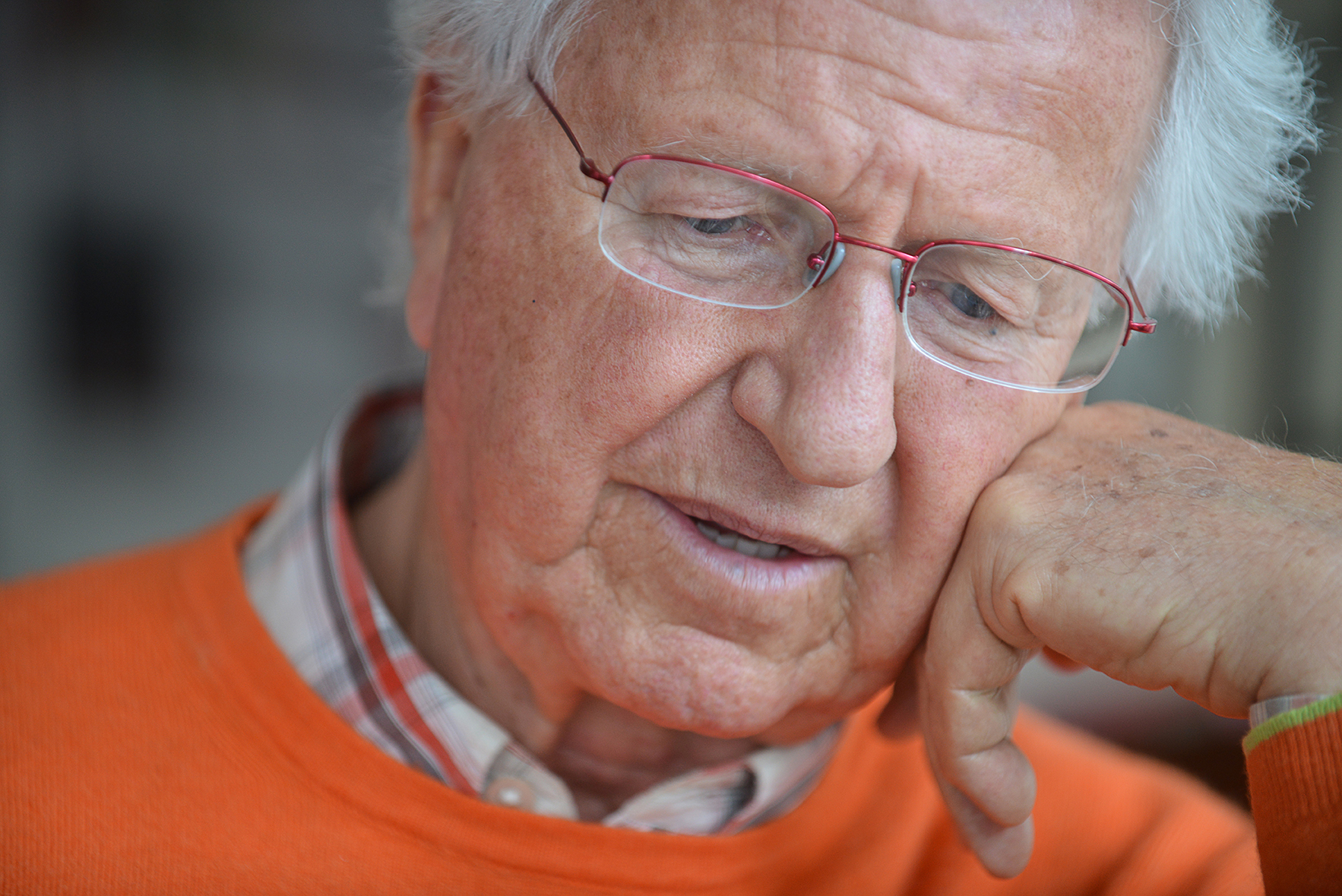
Chronic pain is rarely just physical. For many older adults, persistent discomfort slowly reshapes daily life. Activities once enjoyed become exhausting. Sleep becomes fragmented. Social interactions decline. Over time, emotional wellbeing begins to suffer.
The link between chronic pain and depression in seniors is strong and well documented. Each condition can intensify the other, creating a cycle that affects mobility, independence and overall quality of life.
Understanding this connection allows families to intervene early and protect both physical and mental health.
How Chronic Pain Affects Mood
Find YOUR ideal care home NOW!
Pain places continuous stress on the nervous system. When discomfort persists for months or years, the body remains in a state of heightened alertness. Stress hormones rise, sleep quality declines, and fatigue increases.
This prolonged strain alters brain chemistry. Neurotransmitters involved in mood regulation, such as serotonin and dopamine, may become imbalanced. The result is often a persistent low mood, irritability, and loss of motivation.
Depression is not simply a reaction to discomfort. It can be a biological consequence of chronic pain.
The Cycle of Pain and Depression
Pain limits activity. Reduced activity weakens muscles and decreases social interaction. Isolation and inactivity contribute to depressive symptoms. Depression then lowers pain tolerance and reduces coping capacity.
The table below illustrates how this cycle develops.
| Stage | What Happens | Result |
|---|---|---|
| Persistent pain | Ongoing physical discomfort | Stress and fatigue |
| Reduced activity | Avoidance of movement and social contact | Isolation |
| Emotional decline | Low mood and loss of interest | Depression symptoms |
| Lower pain tolerance | Heightened pain perception | Worsening pain experience |
Without intervention, this cycle may accelerate functional decline.
Recognising Signs of Depression in Seniors With Pain
Depression in older adults does not always appear as sadness. It may present as irritability, withdrawal, changes in appetite or complaints of worsening pain.
Sleep disturbances, loss of interest in previously enjoyable activities and expressions of hopelessness are important warning signs.
Families often notice behavioural changes before seniors acknowledge emotional distress.
Early recognition improves outcomes.
Biological Factors Linking Pain and Depression
Inflammation plays a central role in both chronic pain and depressive disorders. Elevated inflammatory markers affect neurotransmitter function and neural circuits associated with mood regulation.
Chronic pain also alters brain regions involved in emotion processing. Structural changes in these areas may reinforce depressive symptoms.
The connection is therefore both psychological and physiological.
The Impact on Independence
When depression accompanies chronic pain, seniors may neglect physical therapy, discontinue exercise or skip medical appointments. Motivation declines, increasing the risk of falls and further physical deterioration.
Loss of routine compounds emotional distress. Addressing both conditions simultaneously is essential to maintain independence.
Effective Management Strategies
Comprehensive management combines physical and psychological approaches. Pain control alone may not fully resolve depressive symptoms. Similarly, treating depression without addressing pain may be ineffective.
Physiotherapy, structured exercise and social engagement reduce both pain intensity and depressive symptoms. Cognitive behavioural therapy can help seniors develop coping strategies that reduce emotional strain.
Medication review is also important. Some pain medications may contribute to mood changes and require adjustment.
When Additional Support May Be Needed
If chronic pain is accompanied by persistent low mood, social withdrawal or expressions of hopelessness, professional evaluation is essential.
When both physical and emotional health decline, families may need to consider structured support to ensure safety and wellbeing. Early intervention prevents crisis situations.
FAQ: Chronic Pain and Depression in Seniors
Does chronic pain cause depression?
Chronic pain increases the risk of depression due to both biological and psychological factors.
How can families recognise depression?
Look for withdrawal, irritability, sleep changes and loss of interest in daily activities.
Can treating pain improve mood?
Effective pain management often reduces depressive symptoms.
Should medication be adjusted?
A healthcare professional should review medications if mood changes occur.
When is urgent help necessary?
If a senior expresses hopelessness or thoughts of self-harm, immediate medical attention is required.
Need help finding a care home?
Senior Home Plus offers free personalized guidance to help you find a care facility that suits your health needs, budget, and preferred location in the UK.
Call us at 0203 608 0055 to get expert assistance today.
You are looking for a care home or nursing home for your loved one ?
Get our support
Share this article :
Latest posts










You are looking for an establishment for your loved one ?
Get availability & prices
Fill in this form and receive
all the essential information
We would like to inform you of the existence of the opposition list for telephone canvassing.
