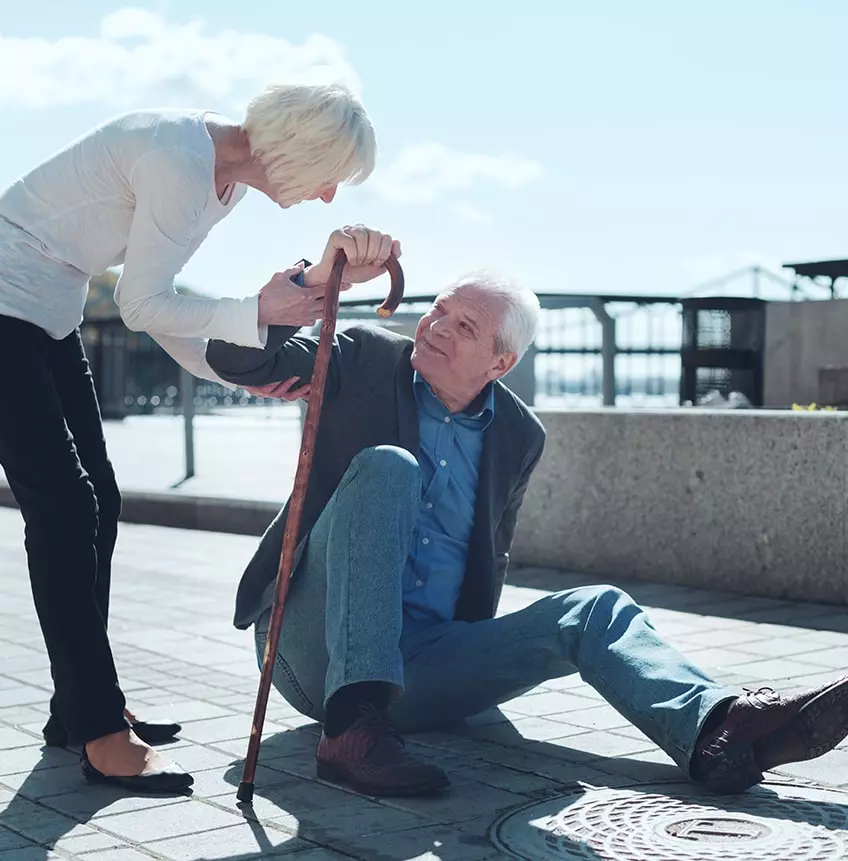
Falls are one of the leading causes of injury in older adults. When discussing fall prevention, attention is often placed on poor vision, muscle weakness or environmental hazards. Yet one critical factor frequently goes unnoticed: chronic pain.
The relationship between pain and fall risk in seniors is complex and often underestimated. Persistent discomfort alters movement, balance and attention. Over time, these subtle changes can significantly increase the likelihood of falls.
Recognising this connection is essential to protect both mobility and independence.
How Pain Alters Movement
Find YOUR ideal care home NOW!
Chronic pain changes the way the body moves. Seniors with hip, knee or back pain often adopt compensatory walking patterns to avoid discomfort. They may lean unevenly, shorten their stride or move more slowly.
While these adaptations reduce immediate pain, they can disrupt balance and stability. Uneven weight distribution increases strain on other joints and muscles, raising the risk of stumbling.
When posture shifts become habitual, fall risk rises.
Reduced Muscle Strength and Stability
Pain often discourages physical activity. Over time, inactivity leads to muscle weakness, particularly in the legs and core muscles responsible for maintaining balance.
Weak muscles reduce the body’s ability to correct itself when balance is lost. Even minor obstacles can result in serious falls.
The cycle becomes self-reinforcing: pain reduces activity, reduced activity weakens muscles, and weakness increases fall risk.
Medication Side Effects
Pain medications, particularly opioids and certain sedatives, may cause dizziness, slowed reaction time or drowsiness. In older adults, these side effects significantly increase the risk of losing balance.
Polypharmacy further compounds the problem. When multiple medications interact, alertness and coordination may decline.
Effective pain management must consider both pain intensity and medication safety.
Cognitive Distraction and Attention
Pain demands attention. Persistent discomfort can reduce focus on surroundings, making hazards less noticeable. Cognitive load increases, leaving fewer mental resources available for maintaining balance.
In seniors already experiencing mild cognitive changes, this distraction may further elevate fall risk.
Pain is not only physical; it affects concentration and reaction time.
Key Mechanisms Linking Pain and Falls
The table below summarises the primary ways chronic pain contributes to fall risk in older adults.
| Pain-Related Factor | Impact on Stability | Fall Risk Level |
|---|---|---|
| Altered gait | Imbalanced weight distribution | High |
| Muscle weakness | Reduced corrective reflexes | High |
| Medication side effects | Dizziness and sedation | Moderate to high |
| Sleep disruption | Fatigue and slowed reaction | Moderate |
| Cognitive distraction | Reduced hazard awareness | Moderate |
These mechanisms often operate simultaneously.
Why This Link Is Often Missed
Falls are frequently attributed to ageing itself rather than underlying contributors such as unmanaged pain. Seniors may also minimise discomfort, assuming it is normal.
Because pain develops gradually, families may not notice its effect on posture and balance until a fall occurs. Proactive assessment can prevent avoidable injuries.
Reducing Fall Risk Through Better Pain Management
Addressing chronic pain effectively can significantly lower fall risk. Physiotherapy strengthens stabilising muscles and improves gait mechanics. Reviewing medications reduces sedative side effects.
Environmental modifications such as handrails and non-slip flooring further enhance safety.
Early intervention protects independence and reduces hospital admissions.
When Additional Support Is Needed
If chronic pain has already led to repeated falls, increasing immobility or fear of movement, more structured support may be required.
In these cases, evaluating the level of assistance available at home becomes essential. Structured environments offer closer monitoring and fall-prevention strategies tailored to individuals at higher risk. Proactive planning is always safer than crisis response.
FAQ: Pain and Fall Risk in Seniors
Does chronic pain increase fall risk?
Yes. Pain alters movement, balance and attention, increasing the likelihood of falls.
Can pain medication make falls more likely?
Certain medications can cause dizziness or drowsiness, raising fall risk.
How can families reduce fall risk?
Strength training, medication review and home safety modifications are effective strategies.
Is fear of falling related to pain?
Yes. Pain can create hesitation and instability, increasing anxiety around movement.
When should professional evaluation be sought?
If falls become frequent or mobility declines significantly, assessment is recommended.
Need help finding a care home?
Senior Home Plus offers free personalized guidance to help you find a care facility that suits your health needs, budget, and preferred location in the UK.
Call us at 0203 608 0055 to get expert assistance today.
You are looking for a care home or nursing home for your loved one ?
Share this article :
Latest posts










You are looking for an establishment for your loved one ?
Get availability & prices
Fill in this form and receive
all the essential information
We would like to inform you of the existence of the opposition list for telephone canvassing.
