
Duty of care is a fundamental principle in health and social care. It underpins how care is delivered, how risks are managed and how the wellbeing of individuals is protected. Whether you are a carer, nurse, healthcare professional, manager or family caregiver, understanding duty of care is essential to providing safe, ethical and legally compliant support.
This guide explains what duty of care is, why it matters in health and social care, the legal requirements in the UK, and how organisations can meet their duty of care obligations in practice.
What Is Duty of Care?
Find YOUR ideal care home NOW!
Duty of care refers to the legal and moral responsibility to protect the health, safety and wellbeing of others. In health and social care, it means taking all reasonable steps to prevent harm, neglect, abuse or injury to people receiving care.
A duty of care applies whenever one person is responsible for another’s wellbeing. Common examples include:
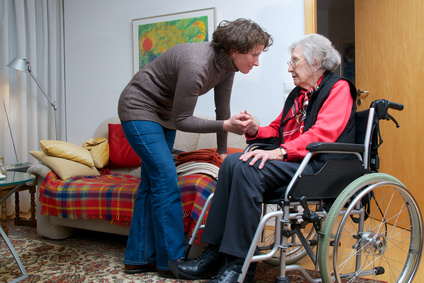
- A carer supporting an older adult in a care home
- A nurse providing treatment in a hospital
- A social care worker assisting someone with disabilities
Failing to meet this responsibility can result in a breach of duty of care, which may have legal, professional and reputational consequences.
Duty of Care in Health and Social Care
In health and social care settings, duty of care is not abstract. It is expressed through daily actions, procedures and professional standards.
Core responsibilities of duty of care
Duty of care in health and social care is built around four key responsibilities:
Wellbeing: promoting physical, mental and emotional wellbeing
Welfare: protecting individuals from harm, abuse and neglect
Compliance: following laws, regulations and codes of conduct
Good practice: delivering care that is safe, effective and evidence-based
What duty of care means in practice
For healthcare professionals and carers, duty of care includes:
Providing safe and compassionate care
Care must be delivered competently, respectfully and consistently, using appropriate skills and professional judgement.
Safeguarding vulnerable individuals
Older adults, people with disabilities and those with complex needs may be particularly vulnerable. Any signs of abuse or neglect must be recognised and reported.
Maintaining confidentiality
Personal and medical information must be protected and only shared when legally and ethically justified.
Providing a safe environment
This includes safe equipment, hygienic premises, proper staffing levels and clear procedures for emergencies.
Duty of Care Responsibilities: Who Is Accountable?
Duty of care applies across roles and settings. Responsibility is shared, though expectations vary depending on position.
Carers and social care workers
Carers have a duty of care to residents or individuals they support. This includes:
- Creating a safe and supportive environment
- Promoting independence where possible
- Reporting concerns through agreed procedures
Healthcare professionals
Nurses and other healthcare professionals must:
- Deliver safe and effective care
- Act within their professional competence
- Escalate risks, incidents or safeguarding concerns
Management and care providers
Managers have a duty of care to both staff and residents. Their responsibilities include:
- Risk assessments and health and safety compliance
- Staff training and supervision
- Responding appropriately to incidents, complaints or safeguarding issues
Support staff
Cleaners, catering staff and maintenance teams also have a duty of care. Their work directly impacts hygiene, safety and overall care standards.
Families and caregivers
Families play a supporting role in duty of care by:
- Raising concerns about wellbeing or safety
- Communicating changes in needs or behaviour
- Advocating for appropriate care
Why Does Duty of Care in Health and Social Care Matter?
Duty of care is central to quality care and public trust.
It ensures that:
- Individuals are protected from harm, abuse and neglect
- Care is delivered safely, ethically and consistently
- Vulnerable people are safeguarded and respected
- Organisations maintain professional standards and accountability
When duty of care is upheld, people receiving care are more likely to feel safe, respected and confident in the support they receive.
Is Duty of Care a Legal Requirement in the UK?
Yes. Duty of care is a legal requirement in the UK.
Employers in health and social care must take reasonable steps to protect staff and service users. This includes providing:
- Adequate training
- Safe equipment
- Clear policies and procedures
Employees also have a responsibility to act safely, follow guidance and report risks or concerns.
Legislation such as the Care Act 2014 reinforces duty of care, particularly around safeguarding, wellbeing and advocacy for people receiving care.
Breach of Duty of Care: What Happens If It Is Broken?
A breach of duty of care occurs when reasonable steps to prevent harm are not taken.
Possible consequences include:
- Legal liability: civil claims for negligence or harm
- Criminal charges: in cases involving serious neglect or abuse
- Professional discipline: suspension or loss of professional registration
- Reputational damage: loss of trust from residents, families and regulators
These risks highlight why duty of care training, monitoring and accountability are essential.
Concerned about whether proper duty of care is being met?
Understanding duty of care is essential when an older person relies on others for support, safety or medical attention. When families begin to question whether care at home, through services, or in a facility is sufficient or legally appropriate, reviewing alternative care settings can help provide reassurance and protection. Senior Home Plus helps families explore care home options across the UK when consistent standards of care and accountability become a priority.
Get guidance on care optionsFree guidance • No obligation
Reporting Concerns and Handling Complaints
Reporting concerns is a core part of duty of care in health and social care.
Concerns may relate to:
- Unsafe equipment or environments
- Safeguarding failures
- Poor care practices
- Fire safety or food safety risks
- Discrimination, bullying or harassment
Complaints should be handled in line with organisational procedures and UK regulations. Clear reporting channels help protect individuals while supporting transparency and improvement.
How to Create a Duty of Care Policy
A clear duty of care policy helps organisations meet legal and ethical obligations.
Key steps include:
-
Define the purpose and scope
Identify who the policy applies to and what responsibilities it covers. -
Set out duties and procedures
Clearly explain how risks are managed, concerns reported and care standards maintained. -
Define key terms
Ensure everyone understands concepts such as harm, risk and negligence. -
Provide training and guidance
Staff must understand their duty of care responsibilities and how to meet them. -
Communicate with stakeholders
Share the policy with staff, residents, families and relevant professionals. -
Monitor and review compliance
Regular reviews ensure the policy remains effective and up to date.
Duty of Care and Quality of Care Homes
Duty of care plays a major role when choosing or evaluating a care home. Strong duty of care practices are reflected in:
- Safe and clean environments
- Well-trained staff
- Clear safeguarding procedures
- Transparent complaint handling
Understanding duty of care helps families make informed decisions and ensures care providers meet expected standards.
Duty of care in health and social care is not just a legal obligation. It is the foundation of safe, dignified and compassionate care. When duty of care is understood and applied correctly, it protects individuals, supports professionals and builds trust in the care system as a whole.
FAQ: Duty of Care in Health and Social Care (UK)
What is duty of care in health and social care?
Duty of care in health and social care refers to the legal and moral responsibility to protect the health, safety and wellbeing of people receiving care. It requires carers and healthcare professionals to take all reasonable steps to prevent harm, abuse or neglect.
Who has a duty of care in a care home?
Anyone working in a care home has a duty of care. This includes carers, nurses, managers, support staff such as cleaners or catering teams, and external healthcare professionals involved in residents’ care.
Is duty of care a legal requirement in the UK?
Yes, duty of care is a legal requirement in the UK. Employers and care providers must follow health and social care legislation, provide safe working conditions and ensure appropriate safeguarding measures are in place.
What is a breach of duty of care?
A breach of duty of care occurs when reasonable steps to protect an individual’s safety or wellbeing are not taken. This may involve neglect, unsafe practices, failure to safeguard or poor risk management.
What happens if duty of care is breached?
Breaching duty of care can lead to legal action, regulatory investigation, professional disciplinary measures and reputational damage for individuals or care organisations.
How does safeguarding relate to duty of care?
Safeguarding is a core part of duty of care. It focuses on protecting vulnerable adults from abuse, neglect or exploitation and requires concerns to be identified, reported and acted upon promptly.
What should carers do if they have concerns about safety?
Carers should report concerns immediately through their organisation’s agreed procedures. This may involve informing a manager, recording the issue and escalating it if necessary to protect the individual at risk.
Why is duty of care important for families choosing a care home?
Understanding duty of care helps families assess whether a care home provides safe, high-quality care. Strong duty of care practices indicate good safeguarding, trained staff and clear accountability.
Need help finding a care home?
Senior Home Plus offers free personalized guidance to help you find a care facility that suits your health needs, budget, and preferred location in the UK.
Call us at 0203 608 0055 to get expert assistance today.
Search for Care Homes by Region
| East Midlands | Eastern | Isle of Man |
| London | North East | North West |
| Northern Ireland | Scotland | South East |
| South West | Wales | West Midlands |
| Yorkshire and the Humber |
You are looking for a care home or nursing home for your loved one ?
Share this article :
Latest posts








You are looking for an establishment for your loved one ?
Get availability & prices
Fill in this form and receive
all the essential information
We would like to inform you of the existence of the opposition list for telephone canvassing.
