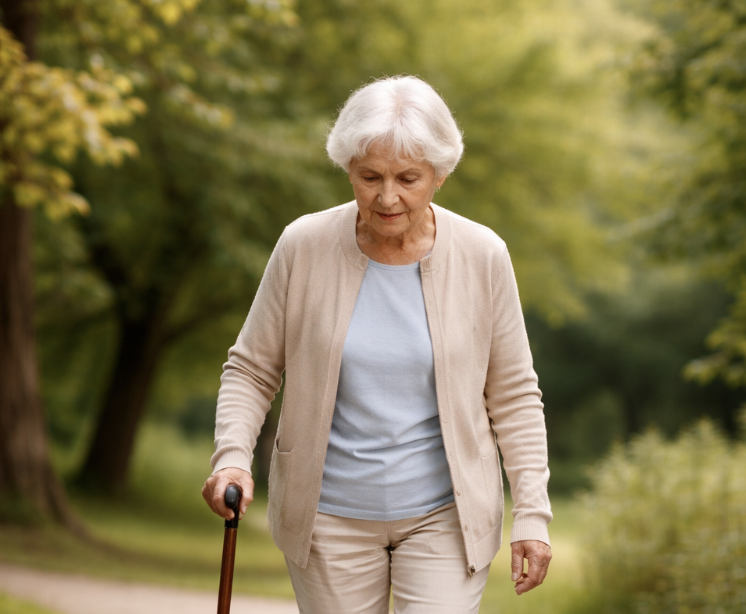
Alcoholic dementia is a condition linked to long-term alcohol misuse that affects memory, reasoning, and cognitive functioning. Although dementia is often associated with ageing or conditions such as Alzheimer’s disease, excessive alcohol consumption over many years can also damage the brain and lead to significant cognitive decline. In the United Kingdom, health professionals increasingly recognise alcohol-related brain damage as an important public health issue, particularly among older adults who may have a long history of alcohol use.
The term alcoholic dementia is commonly used to describe cognitive impairment caused by prolonged alcohol abuse. However, healthcare professionals often refer to the broader condition as alcohol-related brain damage (ARBD). This umbrella term includes several neurological conditions that affect thinking, memory, behaviour, and coordination.
What Is Alcoholic Dementia?
Find YOUR ideal care home NOW!
Alcoholic dementia refers to a decline in cognitive functioning caused by prolonged and excessive alcohol consumption. Alcohol is a neurotoxic substance, meaning that high levels of alcohol exposure over time can damage brain cells and disrupt communication between different areas of the brain.
Unlike some other forms of dementia that develop primarily due to ageing or genetic factors, alcoholic dementia is closely linked to lifestyle. Long-term alcohol misuse can lead to structural and chemical changes in the brain, particularly in areas responsible for memory, learning, and decision-making.
Alcoholic dementia may develop gradually after many years of heavy drinking. In some cases, the condition appears alongside nutritional deficiencies, particularly a lack of vitamin B1, also known as thiamine. This deficiency can further damage brain tissue and worsen cognitive decline.
How Alcohol Affects the Brain
The brain is highly sensitive to the effects of alcohol. When consumed occasionally and in moderation, alcohol may not cause long-term damage. However, chronic excessive drinking can lead to serious neurological consequences.
Alcohol interferes with the brain’s communication systems by disrupting neurotransmitters that regulate mood, memory, and behaviour. Over time, repeated exposure to alcohol may shrink certain brain regions, particularly those involved in memory and executive function.
Heavy alcohol consumption can also impair the body’s ability to absorb essential nutrients. Vitamin deficiencies, especially thiamine deficiency, are common among individuals who consume large amounts of alcohol. Thiamine plays a crucial role in brain metabolism, and insufficient levels can lead to serious neurological conditions.
Looking for the right support for someone living with dementia?
Conditions such as alcohol-related dementia can lead to memory loss, confusion and increasing daily care needs. When living safely at home becomes more difficult, families often begin exploring specialist care options. Senior Home Plus helps families explore suitable care home options across the UK adapted to different health and support needs.
Get guidance on finding a care homeFree guidance • No obligation
Symptoms of Alcoholic Dementia
The symptoms of alcoholic dementia may vary depending on the extent of brain damage and the duration of alcohol misuse. Cognitive problems often develop gradually and may initially appear similar to other forms of dementia.
Memory difficulties are one of the most noticeable signs. Individuals may struggle to remember recent conversations or events. They may also find it difficult to learn new information or recall details from daily activities.
Other cognitive symptoms may include difficulty concentrating, poor judgement, and challenges with problem-solving. Individuals may become disorganised or struggle to complete tasks that were previously easy.
Behavioural changes are also common. Some individuals may appear apathetic, withdrawn, or emotionally unstable. Others may become irritable or experience mood swings.
Common Signs Associated with Alcoholic Dementia
| Symptom | Description | Impact on Daily Life |
|---|---|---|
| Memory loss | Difficulty recalling recent events or conversations | Challenges with everyday tasks and communication |
| Poor concentration | Reduced ability to focus or follow conversations | Difficulty completing activities |
| Impaired judgement | Trouble making safe or logical decisions | Increased vulnerability in daily situations |
| Mood changes | Emotional instability or irritability | Strained relationships and social withdrawal |
| Coordination problems | Difficulty walking or maintaining balance | Higher risk of falls or injuries |
Alcoholic Dementia and Wernicke-Korsakoff Syndrome
One condition closely associated with alcoholic dementia is Wernicke-Korsakoff syndrome. This neurological disorder results from severe thiamine deficiency, often linked to chronic alcohol misuse.
Wernicke encephalopathy represents the acute stage of this condition and is considered a medical emergency. Symptoms may include confusion, problems with coordination, and abnormal eye movements.
If untreated, Wernicke encephalopathy can progress to Korsakoff syndrome, a chronic condition characterised by severe memory impairment. Individuals with Korsakoff syndrome may struggle to form new memories and may unknowingly fill gaps in memory with fabricated details.
Early treatment with thiamine supplementation can prevent further damage and improve outcomes in some cases.
Risk Factors for Alcoholic Dementia
Several factors may increase the likelihood of developing alcoholic dementia. The most significant risk factor is long-term heavy alcohol consumption. Drinking large quantities of alcohol over many years places significant stress on the brain and body.
Poor nutrition also contributes to risk. Individuals who consume excessive alcohol may neglect balanced meals, leading to vitamin deficiencies that affect brain health.
Other health conditions, including liver disease and cardiovascular problems, may further increase the risk of cognitive decline associated with alcohol misuse.
Diagnosis of Alcoholic Dementia
Diagnosing alcoholic dementia requires a comprehensive medical evaluation. Doctors typically begin by reviewing the individual’s medical history, alcohol consumption patterns, and symptoms.
Cognitive screening tests may be used to evaluate memory, attention, and reasoning abilities. These tests provide insight into the extent of cognitive impairment and help determine whether further assessment is necessary.
Brain imaging scans, such as MRI or CT scans, may also be used to identify structural changes in the brain. Blood tests can detect nutritional deficiencies and other medical conditions that may contribute to cognitive symptoms.
Accurate diagnosis is essential because some symptoms may improve if alcohol consumption stops and appropriate treatment is provided.
Treatment and Recovery Possibilities
Unlike many other forms of dementia, alcoholic dementia may show improvement when alcohol consumption stops. The first and most important step in treatment is complete abstinence from alcohol. Continued drinking can worsen brain damage and accelerate cognitive decline.
Medical treatment often includes nutritional support, particularly thiamine supplementation. Restoring essential vitamins can help prevent further neurological damage and may improve cognitive functioning.
Rehabilitation programmes may also help individuals regain cognitive skills and rebuild daily living abilities. Cognitive therapy, occupational therapy, and social support services can assist individuals in maintaining independence.
Family involvement is particularly important during recovery. Supportive environments that encourage sobriety and healthy lifestyle changes can significantly improve long-term outcomes.
Living with Alcohol-Related Cognitive Impairment
Individuals living with alcoholic dementia may require ongoing support depending on the severity of their symptoms. Some individuals can regain partial independence after stopping alcohol consumption, while others may require long-term care.
Support services available in the UK include addiction recovery programmes, memory clinics, and social care services. These resources help individuals manage cognitive difficulties and maintain the highest possible quality of life.
Caregivers may also benefit from guidance and support networks designed for families dealing with alcohol-related brain damage.
Preventing Alcoholic Dementia
The most effective way to prevent alcoholic dementia is to limit alcohol consumption and maintain a healthy lifestyle. Public health guidelines in the UK recommend moderate alcohol intake and emphasise the importance of balanced nutrition.
Regular medical check-ups, healthy eating habits, and awareness of alcohol-related health risks can help protect brain health throughout life.
Understanding the long-term impact of alcohol on cognitive functioning allows individuals to make informed decisions that support both physical and mental wellbeing.
FAQ: Alcoholic Dementia
What is alcoholic dementia?
Alcoholic dementia refers to cognitive impairment caused by long-term excessive alcohol consumption that damages brain cells and affects memory and reasoning.
Can alcoholic dementia be reversed?
In some cases, stopping alcohol consumption and receiving appropriate treatment may lead to partial improvement in cognitive function.
How is alcoholic dementia diagnosed?
Doctors use medical history, cognitive tests, brain scans, and blood tests to evaluate symptoms and identify alcohol-related brain damage.
Is alcoholic dementia the same as Alzheimer’s disease?
No. Alcoholic dementia is caused by long-term alcohol misuse, whereas Alzheimer’s disease results from progressive neurological degeneration.
What is the main treatment for alcoholic dementia?
The most important treatment is stopping alcohol consumption, combined with nutritional support, medical care, and rehabilitation therapies.
Need help finding a care home?
Senior Home Plus offers free personalized guidance to help you find a care facility that suits your health needs, budget, and preferred location in the UK.
Call us at 0203 608 0055 to get expert assistance today.
You are looking for a care home or nursing home for your loved one ?
Share this article :
Latest posts










You are looking for an establishment for your loved one ?
Get availability & prices
Fill in this form and receive
all the essential information
We would like to inform you of the existence of the opposition list for telephone canvassing.
