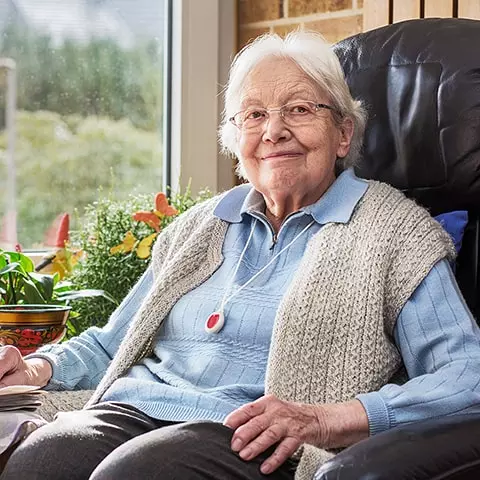
Caring for a dependent parent is often described as “challenging” or “demanding.” In reality, many family carers across the UK know that it goes far beyond that. It is not simply a matter of being a little tired, it can affect every aspect of daily life, from physical health to emotional wellbeing, work, finances, and relationships.
Behind the scenes, caregiving often involves managing appointments, administering medication, ensuring safety, and providing emotional support, all while balancing personal responsibilities. Over time, this can lead to exhaustion, stress, and burnout if not properly addressed.
Why Caregiving Feels Overwhelming
Find YOUR ideal care home NOW!
Caring for a dependent parent is not a single task but a continuous responsibility. It often develops gradually, starting with small acts of support and evolving into a more intensive role.
One of the main challenges is the lack of boundaries. Unlike a job, caregiving does not have fixed hours. It can involve interruptions at any time, especially if the parent requires constant supervision or assistance.
Emotional factors also play a role. Caring for a parent can bring up complex feelings, including guilt, worry, and sadness. These emotions, combined with physical demands, can make the experience particularly intense.
Recognising that caregiving is demanding—and that it is normal to feel overwhelmed—is the first step toward finding sustainable solutions.
The Hidden Impact on Health and Wellbeing
Caregivers often focus entirely on their parent’s needs, neglecting their own wellbeing in the process. Over time, this can lead to fatigue, sleep disturbances, and increased stress levels.
Mental health is also affected. Feelings of isolation, frustration, and anxiety are common, particularly when support is limited. Without intervention, these challenges can develop into burnout, making it difficult to continue providing care effectively.
Understanding this impact is essential. Taking care of yourself is not a luxury—it is a necessary part of being able to care for someone else.
Solution 1: Accepting That You Cannot Do Everything Alone
One of the most important shifts in mindset is recognising that caregiving should not be a one-person responsibility. Many carers feel that they must manage everything themselves, but this approach is rarely sustainable.
Accepting help is not a sign of failure. It is a practical step toward maintaining both your own wellbeing and the quality of care provided. Involving other family members, even in small ways, can reduce pressure significantly.
Sharing responsibilities allows for more balance and ensures that no single person becomes overwhelmed.
Solution 2: Building a Support Network
A strong support network can transform the caregiving experience. This includes not only family members but also friends, neighbours, and community resources.
Having people you can rely on for occasional help, whether it is running errands or spending time with your parent, provides valuable relief. It also creates a sense of shared responsibility.
Professional support should also be considered. Home care services can assist with daily tasks, allowing carers to step back and recharge. Even a few hours of support per week can make a noticeable difference.
Solution 3: Creating a Structured Routine
Unpredictability is one of the biggest sources of stress in caregiving. Establishing a structured routine can help bring a sense of control and stability.
A clear schedule for meals, medication, and activities reduces confusion and makes daily life more manageable. It also allows carers to plan their own time more effectively.
While flexibility is still necessary, having a general framework in place can significantly reduce stress and improve efficiency.
Solution 4: Using Practical Tools and Adaptations
Simple tools can make everyday caregiving tasks easier. These may include mobility aids, medication organisers, or home adaptations such as grab rails and improved lighting.
Technology can also play a role. Reminder systems, monitoring devices, and communication tools can support both the carer and the parent.
Adapting the environment to meet changing needs reduces physical strain and improves safety, making daily care more manageable.
Solution 5: Taking Regular Breaks
One of the most overlooked aspects of caregiving is the importance of rest. Many carers feel guilty about taking time for themselves, but regular breaks are essential.
Even short periods of time away from caregiving responsibilities can help restore energy and perspective. This might involve a walk, a social activity, or simply time to relax.
Longer breaks, such as respite care, provide an opportunity to fully recharge. This ensures that care remains sustainable in the long term.
Comparing Support Options for Caregivers
| Support Option | Benefits | Considerations |
|---|---|---|
| Family support | Shared responsibility, emotional support | Requires coordination and communication |
| Home care services | Professional assistance, flexible hours | Ongoing cost and availability |
| Respite care | Allows carers to rest and recover | Temporary arrangement |
| Care home | Full-time support and supervision | Major decision and adjustment |
Solution 6: Knowing When to Consider Long-Term Care
For some families, there comes a point when home care is no longer sufficient. Increasing needs, combined with caregiver fatigue, may make it difficult to continue safely.
In these situations, considering a care home is not about giving up—it is about ensuring that your parent receives the level of care they require. Care homes provide continuous support, structured routines, and social interaction, which can improve overall wellbeing.
Making this decision can be emotionally challenging, but it often leads to greater stability for both the parent and the carer.
Managing Emotional Challenges
Caring for a dependent parent involves more than physical tasks. Emotional resilience is equally important. Feelings of guilt are common, particularly when considering additional support or changes in living arrangements.
It is important to recognise that seeking help is part of responsible caregiving. Supporting your parent effectively requires maintaining your own health and wellbeing.
Talking to others, whether friends, family, or professionals, can provide valuable perspective and reassurance.
Planning for the Future
Caregiving needs often increase over time. Planning ahead allows families to make decisions calmly rather than in response to a crisis.
This may involve discussing preferences, exploring available services, and understanding financial implications. Having a plan in place reduces uncertainty and provides a clearer path forward.
Preparation does not eliminate challenges, but it makes them more manageable.
Recognising Signs of Burnout
Caregiver burnout is a serious issue that should not be ignored. Signs may include constant fatigue, irritability, difficulty concentrating, and a sense of being overwhelmed.
If these symptoms appear, it is essential to take action. Seeking support, adjusting responsibilities, and taking breaks can help prevent further deterioration.
Caring for yourself is a fundamental part of caring for someone else.
FAQ
Is it normal to feel overwhelmed when caring for a parent?
Yes, caregiving can be physically and emotionally demanding, and feeling overwhelmed is common.
What are the signs of caregiver burnout?
Fatigue, stress, irritability, and difficulty managing daily tasks are common signs.
How can I reduce the burden of caregiving?
Sharing responsibilities, using support services, and creating structured routines can help.
When should I consider a care home?
When care needs exceed what can be safely managed at home, or when caregiver burnout becomes significant.
Is it okay to ask for help?
Yes, seeking help is essential for maintaining both your wellbeing and the quality of care provided.
Caring for a dependent parent is far more than “just a bit tiring.” It is a complex, demanding responsibility that requires both practical solutions and emotional resilience.
By recognising the challenges, accepting support, and making thoughtful adjustments, it is possible to create a more sustainable caregiving experience. The goal is not to do everything alone, but to ensure that both the parent and the carer are supported effectively.
Summary
Caregiving for a dependent parent can feel overwhelming because it is continuous, emotionally complex, and often lacks clear boundaries. Many carers experience stress, fatigue, and emotional strain as responsibilities gradually increase over time. Without adequate support or breaks, this can lead to burnout. Recognising these pressures early and introducing structured support, shared responsibility, and professional care options can make caregiving more sustainable.
Key Takeaways
- Caregiving often becomes overwhelming due to constant, unplanned responsibility.
- Emotional strain such as guilt, worry, and stress is very common.
- Carers frequently neglect their own health, increasing burnout risk.
- Lack of boundaries makes caregiving feel like a 24/7 responsibility.
- Support networks and professional help significantly reduce pressure.
- Considering respite care or care homes can improve long-term sustainability.
Need Help Finding the Right Care Solution?
If caring at home is becoming too demanding, exploring professional care options can provide relief and reassurance. Senior Home Plus helps you compare care homes across the UK quickly and based on your needs.
Find a Care Home Near YouFree service • No obligation
You are looking for a care home or nursing home for your loved one ?
Get our support
Share this article :
Latest posts










You are looking for an establishment for your loved one ?
Get availability & prices
Fill in this form and receive
all the essential information
We would like to inform you of the existence of the opposition list for telephone canvassing.
