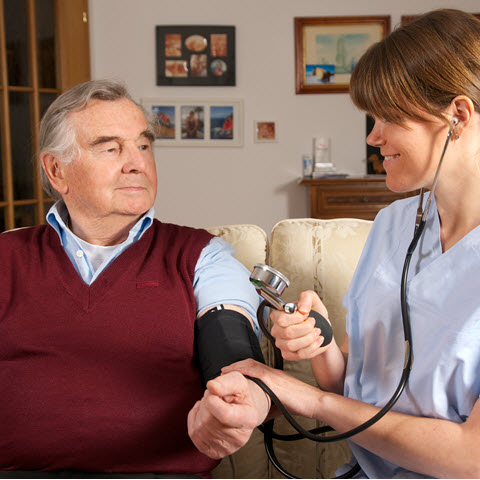
Retirement represents a major life transition. After decades of work, many people look forward to more free time, travel, hobbies, and time with family. However, retirement also marks the beginning of a new stage in life where long-term health planning becomes increasingly important. As life expectancy continues to increase in the United Kingdom, many retirees can expect to live twenty years or more after leaving the workforce. Planning for health during this period is essential for maintaining independence, wellbeing, and quality of life.
Why Long-Term Health Planning Matters After Retirement
Find YOUR ideal care home NOW!
Many retirees focus on financial planning when preparing for retirement, but health planning is equally important. Physical and cognitive health can influence where people live, how independently they can manage daily tasks, and the types of support they may require later in life.
Without long-term planning, unexpected health challenges may disrupt retirement plans and create stress for both individuals and families. By thinking ahead and preparing for potential changes in health, retirees can remain in control of their lifestyle and make informed decisions about housing, healthcare, and support services.
A structured health plan also encourages preventative care. Preventing illness or detecting problems early often leads to better health outcomes and reduces the need for complex medical interventions later.
The First Five Years of Retirement: Building Healthy Foundations
The first years after retirement are often the most active and independent period of later life. During this stage, many retirees enjoy relatively good health and have the energy to pursue new activities. This period is an ideal time to establish habits that support long-term health.
Regular physical activity is one of the most important factors in maintaining mobility and cardiovascular health. Walking, swimming, cycling, and light strength training help maintain muscle mass and improve balance. These activities reduce the risk of falls and support joint flexibility.
Nutrition also plays a central role in maintaining health. A balanced diet rich in vegetables, fruits, lean protein, and whole grains supports immune function and energy levels. Limiting excessive salt, sugar, and processed foods can help reduce the risk of cardiovascular disease and diabetes.
Mental wellbeing is equally important. Many retirees benefit from social engagement through volunteer work, clubs, community activities, or lifelong learning. Staying socially active helps reduce loneliness and supports cognitive health.
Years Five to Ten: Monitoring Health and Adapting Lifestyle
As retirement progresses, it becomes increasingly important to monitor changes in health and adapt lifestyle habits accordingly. Regular medical check-ups help detect early signs of chronic conditions such as hypertension, arthritis, or cardiovascular disease.
During this stage, many retirees begin focusing more on preventative healthcare. Routine screenings, including blood pressure checks, cholesterol monitoring, vision exams, and hearing assessments, help identify health issues before they become serious.
Mobility and balance exercises become particularly valuable during this phase. Activities that improve flexibility and coordination help prevent injuries and maintain independence. Physiotherapy programmes or guided exercise classes designed for seniors may be beneficial.
Another important aspect of this stage involves planning for potential future care needs. Although many individuals remain fully independent, thinking ahead about housing options, home adaptations, and community support services can help prepare for later life.
Years Ten to Fifteen: Preparing for Changing Care Needs
In the later stages of retirement, some individuals may begin experiencing health conditions that require additional support. Mobility challenges, chronic illness, or cognitive changes may gradually affect daily activities.
Planning ahead during earlier years helps make this transition smoother. Many older adults choose to modify their homes to improve accessibility. Installing handrails, improving lighting, and removing trip hazards can make the home environment safer.
Some retirees may consider alternative housing options that provide additional support. Retirement communities, assisted living facilities, or care homes offer varying levels of assistance while allowing residents to maintain independence where possible.
Family involvement becomes particularly important during this stage. Open conversations about care preferences, medical decisions, and support networks can help ensure that future care aligns with personal wishes.
Planning ahead for your health and wellbeing in later life?
Building a long-term health plan after retirement can help you stay independent for longer and prepare for changing needs over time. When everyday routines, mobility or health concerns become harder to manage, extra support may be worth considering. Senior Home Plus helps families explore care home options across the UK adapted to evolving lifestyle and support needs.
Get guidance on finding a care homeFree guidance • No obligation
Key Elements of a 15-Year Retirement Health Plan
A comprehensive health plan for retirement should address several important areas of wellbeing. These include physical health, mental wellbeing, financial preparation, and long-term care planning.
| Health Planning Area | Key Considerations | Benefits |
|---|---|---|
| Preventative healthcare | Regular medical check-ups and screenings | Early detection of health conditions |
| Physical activity | Exercise routines suited to ageing bodies | Improved mobility and reduced fall risk |
| Nutrition | Balanced diet and healthy weight management | Supports energy levels and disease prevention |
| Mental wellbeing | Social engagement and cognitive stimulation | Reduced loneliness and improved mental health |
| Future care planning | Considering housing options and care services | Greater security and preparedness for ageing |
Integrating these elements into a long-term plan helps retirees maintain independence while preparing for future changes.
The Role of Preventative Healthcare
Preventative healthcare plays a crucial role in maintaining health during retirement. Regular visits to a general practitioner allow doctors to monitor key health indicators such as blood pressure, cholesterol levels, and blood sugar.
Vaccinations also remain important in later life. Vaccines for influenza, pneumonia, and shingles help protect older adults from serious infections that may cause complications.
Screening programmes offered by the NHS, including cancer screening and cardiovascular risk assessments, provide valuable opportunities for early diagnosis and treatment.
Maintaining Mobility and Physical Strength
Mobility is one of the most important factors influencing independence in later life. Maintaining muscle strength and balance helps older adults continue performing everyday tasks such as walking, cooking, and shopping.
Exercise programmes designed for seniors often focus on improving strength, flexibility, and coordination. Activities such as yoga, tai chi, and resistance training can help reduce the risk of falls and maintain functional movement.
Even moderate daily activities such as gardening or walking can significantly improve physical health and overall wellbeing.
Planning for Long-Term Care Needs
Although many retirees remain independent for many years, planning for potential care needs is an important part of a long-term health strategy. Considering possible future scenarios allows individuals to make informed decisions about housing, finances, and family involvement.
Some retirees explore housing options such as retirement communities or assisted living facilities that provide additional support services. These environments often offer social activities, medical assistance, and safety features designed for older residents.
Financial planning for long-term care is also essential. Understanding the potential costs of care homes, home care services, and medical treatments helps retirees prepare financially for future needs.
Supporting Mental and Social Wellbeing
Mental health is a key component of overall wellbeing in retirement. Social engagement, meaningful activities, and continued learning help maintain cognitive function and emotional health.
Many retirees find fulfilment through volunteering, hobbies, or community involvement. These activities provide purpose and help maintain strong social networks.
Staying mentally active through reading, puzzles, or educational courses also supports cognitive health and may reduce the risk of cognitive decline.
FAQ: Creating a Long-Term Health Plan After Retirement
Why should retirees create a long-term health plan?
A long-term health plan helps retirees maintain independence, manage health risks, and prepare for potential care needs in later life.
How often should seniors have medical check-ups?
Many healthcare professionals recommend annual health reviews for older adults, along with regular screenings for common age-related conditions.
What types of exercise are best for retirees?
Low-impact activities such as walking, swimming, yoga, and strength training are particularly beneficial for maintaining mobility and balance.
When should retirees start planning for long-term care?
Planning early in retirement allows individuals to explore housing options, financial preparations, and care preferences before urgent decisions are required.
Can lifestyle changes improve health during retirement?
Yes. Healthy diet, regular exercise, preventative healthcare, and strong social connections all contribute to better long-term health outcomes for retirees.
Need help finding a care home?
Senior Home Plus offers free personalized guidance to help you find a care facility that suits your health needs, budget, and preferred location in the UK.
Call us at 0203 608 0055 to get expert assistance today.
You are looking for a care home or nursing home for your loved one ?
Share this article :
Latest posts










You are looking for an establishment for your loved one ?
Get availability & prices
Fill in this form and receive
all the essential information
We would like to inform you of the existence of the opposition list for telephone canvassing.
