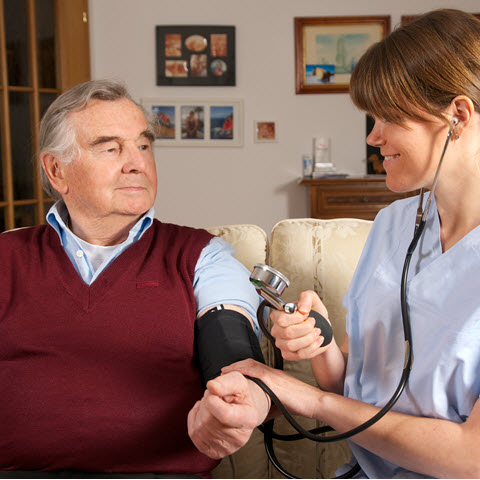
As people age, maintaining mobility and independence becomes increasingly important for overall health and wellbeing. Many older adults in the United Kingdom experience changes in muscle strength, balance, flexibility, and joint mobility. These changes can affect daily activities such as walking, climbing stairs, or performing household tasks. Physiotherapy plays a crucial role in helping seniors remain active, manage pain, and maintain independence for as long as possible.
What Is Physiotherapy for Older Adults?
Find YOUR ideal care home NOW!
Physiotherapy is a healthcare profession focused on restoring and improving physical function. Physiotherapists are trained specialists who assess movement, strength, posture, and balance to develop treatment plans that address specific health needs. For older adults, physiotherapy often focuses on maintaining mobility, preventing injuries, and managing chronic pain.
As the body ages, muscles gradually lose strength and joints may become less flexible. These changes can make everyday movements more difficult. Physiotherapy programmes are designed to counteract these effects by improving muscle strength, coordination, and balance.
Physiotherapists work with seniors in a variety of settings, including hospitals, community clinics, rehabilitation centres, care homes, and private practices. In many cases, physiotherapy can also be delivered at home for individuals with limited mobility.
Why Mobility Matters in Later Life
Mobility is a key factor in maintaining independence during older age. When individuals are able to move safely and confidently, they are more likely to remain active and engaged in daily life. Physical movement supports cardiovascular health, improves circulation, and strengthens muscles that support posture and balance.
Reduced mobility can lead to a range of additional health problems. When older adults move less frequently, muscle strength declines more rapidly and joints become stiff. Reduced activity may also contribute to weight gain, poor circulation, and increased risk of chronic illness.
Maintaining mobility allows seniors to perform everyday activities independently, including shopping, cooking, and socialising. Physiotherapy programmes are designed to support these abilities and delay the need for additional care.
Common Conditions Physiotherapy Helps Treat
Physiotherapy is widely used to treat and manage a range of health conditions that affect older adults. These conditions may impact mobility, balance, or overall physical function. By addressing these issues early, physiotherapists can help seniors remain active and reduce complications associated with ageing.
| Condition | How Physiotherapy Helps | Potential Benefits |
|---|---|---|
| Arthritis | Strengthening exercises and joint mobility training | Reduced pain and improved joint flexibility |
| Stroke recovery | Movement rehabilitation and balance training | Improved coordination and mobility |
| Osteoporosis | Weight-bearing exercises and posture training | Stronger bones and reduced fracture risk |
| Parkinson’s disease | Balance exercises and movement therapy | Improved stability and walking ability |
| Falls and balance problems | Strength and stability training | Reduced risk of falls and injuries |
Looking for ways to support mobility and independence in later life?
Physiotherapy can help older adults maintain strength, balance and mobility, supporting independence for longer. When mobility challenges begin affecting everyday activities or safety at home, families may start considering additional support options. Senior Home Plus helps families explore suitable care home options across the UK adapted to evolving health and mobility needs.
Get guidance on finding a care homeFree guidance • No obligation
Physiotherapy programmes are usually tailored to the individual’s health condition and physical abilities, ensuring that exercises remain safe and effective.
The Role of Physiotherapy in Preventing Falls
Falls are one of the leading causes of injury among older adults in the UK. As balance, muscle strength, and reaction time decline with age, the likelihood of falls increases. Physiotherapy plays an essential role in preventing falls by improving stability and strengthening the muscles that support movement.
Balance training is a central component of fall prevention programmes. Physiotherapists guide older adults through exercises that improve coordination and body awareness. These exercises help individuals respond more effectively when they lose balance, reducing the risk of injury.
Physiotherapists may also assess the home environment and recommend changes that improve safety, such as removing trip hazards or installing supportive handrails.
Improving Strength and Flexibility
Muscle strength gradually declines with age, a process sometimes referred to as sarcopenia. This loss of muscle mass can affect walking ability, posture, and overall stability. Physiotherapy programmes incorporate resistance exercises that strengthen key muscle groups involved in everyday movement.
Flexibility exercises are also important for maintaining joint mobility. Gentle stretching can help reduce stiffness and improve range of motion, making activities such as bending or reaching easier.
Over time, regular physiotherapy can help older adults maintain physical strength and improve endurance, enabling them to remain active and independent.
Pain Management Through Physiotherapy
Chronic pain is a common concern for many seniors, particularly those living with conditions such as arthritis or back problems. Physiotherapy offers non-medication approaches to managing pain through targeted exercises and therapeutic techniques.
Manual therapy, stretching, and strengthening exercises can reduce pressure on joints and improve muscle support. Improved posture and movement patterns may also relieve strain on the body, reducing discomfort during daily activities.
For older adults who wish to minimise reliance on medication, physiotherapy can be an effective strategy for long-term pain management.
Physiotherapy After Surgery or Hospitalisation
Many seniors require physiotherapy following surgery or hospital treatment. Procedures such as hip replacements, knee replacements, or fracture repairs often require rehabilitation to restore mobility and strength.
Physiotherapists guide patients through gradual recovery programmes that rebuild strength and restore movement. These rehabilitation programmes are essential for preventing complications such as muscle weakness or reduced joint mobility after long periods of inactivity.
Early rehabilitation often improves recovery outcomes and helps older adults return to independent living more quickly.
Physiotherapy Services Available in the UK
Older adults in the UK can access physiotherapy services through several healthcare pathways. The National Health Service provides physiotherapy referrals through general practitioners or hospital specialists. Community rehabilitation teams also support patients recovering from illness or injury.
Private physiotherapy services are also available for individuals who prefer shorter waiting times or specialised treatment plans. Many physiotherapists offer home visits, which can be particularly helpful for seniors with limited mobility.
In residential care homes and assisted living environments, physiotherapists may provide ongoing rehabilitation and mobility support for residents who require regular therapy.
Maintaining Independence Through Physical Activity
Physiotherapy is not only about treating injuries or illness. It also plays an important role in promoting long-term physical activity among older adults. Staying active helps maintain muscle strength, supports cardiovascular health, and improves overall wellbeing.
Physiotherapists often encourage seniors to adopt regular exercise routines that suit their abilities. Activities such as walking, gentle strength training, and balance exercises can help maintain mobility and prevent physical decline.
Maintaining an active lifestyle also supports mental health. Physical movement stimulates circulation to the brain and may improve mood and cognitive function.
FAQ: Physiotherapy for Elderly People
What does a physiotherapist do for elderly patients?
A physiotherapist assesses mobility, strength, balance, and physical health to develop personalised exercise and rehabilitation programmes for older adults.
Can physiotherapy help older adults avoid falls?
Yes. Physiotherapy improves balance, coordination, and muscle strength, which significantly reduces the risk of falls among seniors.
Is physiotherapy safe for elderly people?
Physiotherapy is generally safe when supervised by trained professionals. Programmes are tailored to the individual’s health condition and physical abilities.
How can older adults access physiotherapy in the UK?
Physiotherapy services are available through NHS referrals, community rehabilitation programmes, private clinics, and care home services.
How often should seniors do physiotherapy exercises?
The frequency of physiotherapy exercises varies depending on the individual’s health condition, but many programmes recommend regular activity several times per week to maintain mobility and strength.
Need help finding a care home?
Senior Home Plus offers free personalized guidance to help you find a care facility that suits your health needs, budget, and preferred location in the UK.
Call us at 0203 608 0055 to get expert assistance today.
Search for Care Homes by Region in the UK
| East Midlands | Eastern | Isle of Man |
| London | North East | North West |
| Northern Ireland | Scotland | South East |
| South West | Wales | West Midlands |
| Yorkshire and the Humber |
You are looking for a care home or nursing home for your loved one ?
Share this article :
Latest posts




.jpg)

You are looking for an establishment for your loved one ?
Get availability & prices
Fill in this form and receive
all the essential information
We would like to inform you of the existence of the opposition list for telephone canvassing.
