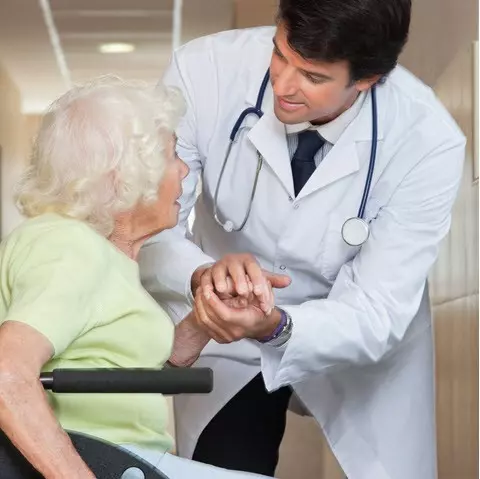
Sarcopenia is a progressive condition that affects many older adults and is characterised by the gradual loss of muscle mass, strength, and physical performance. As people age, natural biological changes occur in the body, but sarcopenia goes beyond normal ageing. It can significantly impact mobility, independence, and overall health. In the UK, healthcare professionals increasingly recognise sarcopenia as an important contributor to frailty, falls, and hospital admissions among seniors.
What Is Sarcopenia?
Sarcopenia refers to the age-related loss of skeletal muscle mass and strength. The term originates from the Greek words “sarx,” meaning flesh, and “penia,” meaning loss. Although some muscle decline occurs naturally as people grow older, sarcopenia is considered a medical condition when the loss becomes severe enough to affect physical performance and daily functioning.
Find YOUR ideal care home NOW!
Research suggests that muscle mass can begin to decline as early as the age of 40, with the rate of loss accelerating after the age of 60. In older adults, this decline can lead to reduced mobility, slower walking speed, and difficulty performing everyday activities such as climbing stairs or carrying groceries. Over time, sarcopenia can increase the risk of disability, dependency, and admission to long-term care facilities.
Healthcare providers in the UK often evaluate sarcopenia as part of broader frailty assessments. The condition is now widely recognised by geriatric specialists as a key factor influencing health outcomes in ageing populations.
Why Muscle Loss Matters in Older Adults
Muscles play an essential role in maintaining balance, mobility, and overall physical resilience. When muscle mass decreases significantly, the body becomes more vulnerable to injuries and illnesses. Sarcopenia can contribute to reduced stability, which increases the likelihood of falls. Falls are one of the leading causes of injury and hospitalisation among older adults in the UK.
Loss of muscle strength can also affect metabolic health. Muscles help regulate blood sugar levels and support metabolic processes. When muscle mass declines, older adults may face higher risks of developing conditions such as type 2 diabetes and cardiovascular disease.
In addition to physical health risks, sarcopenia can have social and emotional consequences. Reduced mobility may limit an individual’s ability to participate in social activities, maintain hobbies, or travel independently. Over time, this loss of independence can affect mental wellbeing and quality of life.
Common Causes of Sarcopenia
Several biological and lifestyle factors contribute to the development of sarcopenia. Ageing remains the primary driver, but additional factors can accelerate muscle loss. Hormonal changes associated with ageing may reduce the body’s ability to maintain muscle tissue. Reduced production of growth hormone and testosterone can impair muscle regeneration and repair.
Physical inactivity is another major cause of sarcopenia. Older adults who spend long periods sitting or engaging in minimal physical activity tend to lose muscle mass more quickly. Muscles require regular stimulation through movement and exercise to remain strong and functional.
Poor nutrition also plays an important role in muscle decline. Many elderly individuals consume less protein than their bodies require to maintain muscle tissue. Appetite changes, dental problems, swallowing difficulties, or medication side effects may reduce food intake, increasing the risk of malnutrition.
Chronic health conditions such as arthritis, heart disease, diabetes, and respiratory illnesses can further contribute to muscle loss. These conditions may limit mobility or increase inflammation in the body, both of which can accelerate the progression of sarcopenia.
Symptoms of Sarcopenia in the Elderly
The symptoms of sarcopenia often develop gradually and may initially be mistaken for normal ageing. One of the earliest signs is reduced muscle strength. Older adults may notice that tasks such as opening jars, carrying objects, or standing up from a chair become more difficult.
Another common symptom is slower walking speed. Changes in gait or difficulty maintaining balance may also occur. As the condition progresses, muscle weakness can increase the likelihood of falls and fractures.
Individuals with sarcopenia may also experience fatigue and decreased stamina. Everyday activities may require more effort than before. Over time, this decline can lead to reduced independence and increased reliance on assistance from family members or caregivers.
How Doctors Diagnose Sarcopenia
Diagnosing sarcopenia typically involves a combination of physical assessments and medical evaluations. Healthcare professionals often begin by measuring muscle strength, usually through a handgrip strength test. This simple test helps identify reduced muscular capacity.
Doctors may also assess walking speed or physical performance using mobility tests. These tests evaluate how quickly and safely a person can walk a short distance. Slower walking speeds can indicate reduced muscle function.
In some cases, medical imaging techniques such as dual-energy X-ray absorptiometry scans or bioelectrical impedance analysis may be used to measure muscle mass. These tests allow clinicians to evaluate whether muscle loss exceeds the expected range for age.
Worried about muscle loss, weakness or falls in an older loved one?
Sarcopenia can reduce strength, balance and mobility in later life, making everyday tasks more difficult and increasing the risk of falls. When physical decline starts affecting safety or independence at home, families may begin exploring additional support options. Senior Home Plus helps families explore suitable care home options across the UK adapted to changing health, mobility and support needs.
Get guidance on finding a care homeFree guidance • No obligation
Stages of Sarcopenia
Healthcare professionals generally classify sarcopenia into stages depending on its severity. Early detection is important because interventions can be most effective when implemented before significant functional decline occurs.
| Stage | Description | Impact on Daily Life |
|---|---|---|
| Pre-sarcopenia | Initial reduction in muscle mass without major strength loss | Minimal symptoms but early physical changes may begin |
| Sarcopenia | Loss of muscle mass accompanied by reduced strength or performance | Difficulty performing physically demanding tasks |
| Severe Sarcopenia | Significant loss of muscle mass, strength, and mobility | High risk of falls, disability, and loss of independence |
Treatment Options for Sarcopenia
Although sarcopenia cannot always be completely reversed, several treatment strategies can slow its progression and improve muscle strength. Lifestyle interventions remain the most effective approach for managing the condition.
Strength and Resistance Training
Regular exercise is considered the most effective treatment for sarcopenia. Resistance training, which includes activities such as weightlifting or resistance band exercises, stimulates muscle growth and improves strength. Even moderate physical activity performed consistently can lead to noticeable improvements in mobility and balance among older adults.
Improved Nutrition
Adequate nutrition is essential for maintaining muscle health. Older adults should aim to consume sufficient protein, which helps support muscle repair and growth. Foods such as fish, eggs, lean meat, dairy products, legumes, and nuts provide important protein sources.
Vitamin D also plays a role in muscle function and bone health. In the UK, healthcare professionals often recommend vitamin D supplementation during the winter months when sunlight exposure is limited.
Medical Management
Doctors may review medications or underlying medical conditions that could contribute to muscle weakness. Managing chronic illnesses effectively can help slow the progression of sarcopenia and improve physical resilience.
Physiotherapy and Rehabilitation
Physiotherapy programmes designed for older adults can help restore strength, improve balance, and reduce fall risk. Rehabilitation specialists may develop personalised exercise plans tailored to an individual’s mobility level and health status.
Preventing Sarcopenia
Preventing muscle loss is often easier than treating advanced sarcopenia. Maintaining an active lifestyle is one of the most effective strategies for protecting muscle mass as people age. Activities such as walking, swimming, cycling, and strength training all contribute to muscle health.
Balanced nutrition also plays a central role in prevention. Older adults should prioritise protein-rich foods, maintain adequate calorie intake, and stay well hydrated. Regular health check-ups allow doctors to identify early signs of muscle decline and recommend appropriate interventions.
Social engagement can also indirectly support physical health. Participating in group exercise classes, walking groups, or community activities encourages movement and reduces sedentary behaviour.
Sarcopenia and Long-Term Care Planning
In advanced stages, sarcopenia can significantly affect an individual’s ability to live independently. When mobility declines or daily tasks become difficult, families may begin considering additional support options. These may include home care services, physiotherapy programmes, assisted living environments, or residential care homes.
Planning ahead can help families identify appropriate care solutions before a crisis occurs. Healthcare professionals can provide guidance on available services and support systems within the UK healthcare and social care network.
FAQ: Sarcopenia in the Elderly
What causes sarcopenia in older adults?
Sarcopenia is primarily caused by age-related muscle loss, but factors such as inactivity, poor nutrition, hormonal changes, and chronic diseases can accelerate its progression.
At what age does sarcopenia begin?
Muscle mass typically begins to decline after the age of 40, but noticeable symptoms often appear after the age of 60 or 70.
Can sarcopenia be reversed?
While complete reversal may not always be possible, resistance training, improved nutrition, and physiotherapy can significantly improve muscle strength and slow further decline.
Is sarcopenia linked to frailty?
Yes. Sarcopenia is one of the key contributors to frailty in older adults and is associated with increased risks of falls, hospitalisation, and loss of independence.
How can older adults prevent muscle loss?
Regular physical activity, a protein-rich diet, vitamin D intake, and routine health monitoring can help prevent or delay the development of sarcopenia.
Need help finding a care home?
Senior Home Plus offers free personalized guidance to help you find a care facility that suits your health needs, budget, and preferred location in the UK.
Call us at 0203 608 0055 to get expert assistance today.
You are looking for a care home or nursing home for your loved one ?
Share this article :
Latest posts










You are looking for an establishment for your loved one ?
Get availability & prices
Fill in this form and receive
all the essential information
We would like to inform you of the existence of the opposition list for telephone canvassing.
