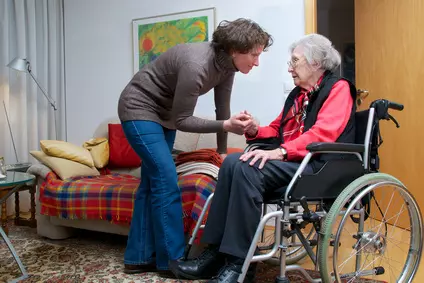
Delirium is a sudden and serious change in mental functioning that commonly affects older adults, particularly during illness or hospitalisation. It often appears as confusion, disorientation, or sudden changes in behaviour and attention. Because delirium can develop quickly and may be difficult to recognise, healthcare professionals rely on structured screening tools to detect it early. One of the most widely used tools in the United Kingdom is the 4AT test.
Understanding Delirium in Older Adults
Find YOUR ideal care home NOW!
Delirium is a medical condition characterised by a sudden disturbance in attention, awareness, and cognitive function. Unlike dementia, which typically develops gradually over months or years, delirium appears quickly and often fluctuates throughout the day.
Older adults are particularly vulnerable to delirium because ageing bodies respond differently to illness, medications, and stress. Common triggers include infections, dehydration, surgery, medication side effects, or metabolic imbalances.
Symptoms may include confusion, difficulty concentrating, hallucinations, or sudden changes in behaviour. Some individuals become agitated or restless, while others become unusually quiet or withdrawn. Because delirium can mimic other cognitive conditions, it is important for healthcare professionals to use reliable screening tools such as the 4AT test.
What Is the 4AT Test?
The 4AT test is a brief clinical assessment used to detect delirium and cognitive impairment in older adults. The name “4AT” refers to the four components included in the test. Each component evaluates a different aspect of cognitive function, allowing clinicians to quickly determine whether a patient may be experiencing delirium.
The test was developed in the United Kingdom by specialists in geriatric medicine and is now widely recommended in clinical practice guidelines. Because it is simple and fast to administer, it is frequently used during hospital admissions and routine assessments of elderly patients.
Unlike some cognitive tests that require lengthy questionnaires, the 4AT focuses on four key areas that help clinicians identify acute changes in mental function.
Components of the 4AT Assessment
The 4AT test evaluates four specific areas of mental functioning. Each component contributes to the overall score, which helps clinicians determine whether delirium may be present.
| Assessment Component | What It Measures | Purpose |
|---|---|---|
| Alertness | Level of consciousness and responsiveness | Identifies abnormal drowsiness or agitation |
| AMT4 Orientation Questions | Basic orientation to time and personal information | Assesses memory and awareness |
| Attention Test | Ability to focus and concentrate | Evaluates cognitive attention |
| Acute Change or Fluctuation | Evidence of recent change in mental status | Detects sudden cognitive decline |
Each section contributes points to the overall score. The final score helps healthcare professionals determine whether delirium is likely and whether further evaluation is needed.
How the 4AT Test Is Performed
The 4AT assessment typically takes less than two minutes to complete. Healthcare professionals begin by observing the patient’s level of alertness. If the patient appears unusually drowsy or agitated, this may contribute to the score.
Next, the clinician asks a small number of orientation questions. These questions may include asking the patient their age, date of birth, current location, or the current year. These questions assess whether the patient understands their surroundings and personal information.
The attention component usually involves asking the patient to recite the months of the year backwards. This task evaluates concentration and mental processing ability.
Finally, clinicians consider whether there has been a sudden change in the patient’s mental state compared with their usual behaviour. Family members or caregivers may be asked to provide additional information about recent changes.
Understanding the 4AT Score
The results of the 4AT test provide a quick indication of whether delirium may be present. A score of zero suggests that delirium or severe cognitive impairment is unlikely. Scores between one and three may indicate possible cognitive impairment, while a score of four or higher strongly suggests delirium.
Because delirium is a medical emergency that often results from an underlying illness, a high score usually leads to further investigation. Doctors may conduct blood tests, infection screening, or neurological assessments to determine the cause.
It is important to understand that the 4AT does not provide a definitive diagnosis. Instead, it acts as a screening tool that helps clinicians identify patients who require additional evaluation.
Why Early Detection of Delirium Is Important
Delirium is associated with increased risks for older adults, including longer hospital stays, higher rates of complications, and greater risk of long-term cognitive decline. Early detection allows healthcare professionals to treat the underlying cause quickly and improve patient outcomes.
Many cases of delirium are reversible when the underlying medical issue is identified and treated promptly. For example, infections, medication side effects, dehydration, or electrolyte imbalances can often be corrected.
Screening tools such as the 4AT test help clinicians identify delirium before it becomes severe, allowing treatment to begin sooner.
Common Causes of Delirium in Elderly Patients
Delirium often occurs when an older adult experiences a sudden physical or medical stress. Because ageing bodies may respond differently to illness or medication, the risk of delirium increases in later life.
Common triggers include infections such as urinary tract infections or pneumonia. Dehydration, surgery, and certain medications may also contribute to confusion. Hospital environments can sometimes worsen symptoms due to unfamiliar surroundings and disrupted sleep patterns.
Understanding these risk factors helps healthcare professionals monitor vulnerable patients and respond quickly when symptoms appear.
The Role of the 4AT Test in UK Healthcare
In the UK, the 4AT test has become a widely adopted screening tool in geriatric medicine. It is commonly used in emergency departments, hospital wards, and care homes when assessing older adults with sudden confusion.
The test is particularly valuable because it does not require specialised training and can be completed rapidly. This allows doctors and nurses to screen patients quickly and identify those who may need further evaluation.
Many NHS guidelines recommend routine delirium screening for older patients admitted to hospital, especially those with risk factors such as frailty or pre-existing cognitive impairment.
Preventing Delirium in Older Adults
Although not all cases of delirium can be prevented, several strategies can reduce the risk. Maintaining good hydration and nutrition helps support overall health. Ensuring adequate sleep and minimising unnecessary medications may also reduce risk.
Hospitals and care homes often implement delirium prevention programmes that include regular orientation, good lighting, and encouragement of mobility. Familiar objects and family visits may also help reduce confusion in hospitalised patients.
By identifying risk factors early and monitoring cognitive health closely, healthcare professionals can help protect elderly patients from severe episodes of delirium.
FAQ: The 4AT Test and Delirium Detection
What does the 4AT test measure?
The 4AT test measures alertness, orientation, attention, and evidence of sudden cognitive change to identify possible delirium or cognitive impairment.
How long does the 4AT assessment take?
The test usually takes less than two minutes to complete, making it one of the fastest delirium screening tools used in clinical practice.
Is the 4AT test used in NHS hospitals?
Yes. The 4AT test is widely used in NHS hospitals and care settings to screen older adults for delirium and cognitive impairment.
Does a high 4AT score mean someone has dementia?
No. A high score suggests possible delirium or cognitive impairment, but further assessment is required to determine the exact cause.
Can delirium be treated?
Yes. Delirium is often reversible when the underlying medical cause is identified and treated promptly.
Need help finding a care home?
Senior Home Plus offers free personalized guidance to help you find a care facility that suits your health needs, budget, and preferred location in the UK.
Call us at 0203 608 0055 to get expert assistance today.
You are looking for a care home or nursing home for your loved one ?
Share this article :
Latest posts










You are looking for an establishment for your loved one ?
Get availability & prices
Fill in this form and receive
all the essential information
We would like to inform you of the existence of the opposition list for telephone canvassing.
