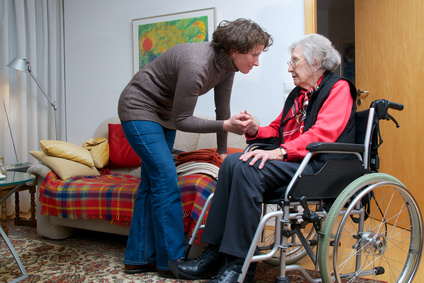
Discussing the possibility of moving into a nursing home with an ageing parent is one of the most emotionally challenging conversations families face. In many cases, the initial reaction is resistance, denial or even frustration. This response is often rooted not in logic, but in fear of losing independence, familiarity and control over daily life.
Understanding how to approach this conversation with sensitivity and clarity can make a significant difference in how it is received. The goal is not to impose a decision, but to open a dialogue that prioritises safety, dignity and long-term well-being.
Why many parents refuse the idea of a nursing home
Find YOUR ideal care home NOW!
Refusal is rarely about the care environment itself. More often, it is linked to emotional concerns. Many older adults associate nursing homes with loss of independence, separation from familiar surroundings or reduced autonomy in daily decisions.
There is also a strong psychological element. Accepting the need for external care can feel like acknowledging a decline in health or capability, which can be difficult to confront. This is why initial resistance is common, even when care needs are clearly increasing.
Preparing for the conversation
Before initiating the discussion, it is important for families to gather information about the current level of care needs. Observing changes in daily functioning, mobility or memory can help create a more grounded and factual conversation.
Equally important is choosing the right moment. Conversations held during moments of calm, rather than during a crisis or emotional event, are more likely to be productive. The tone should remain respectful, patient and focused on shared concerns rather than decisions already made.
How to approach a resistant parent
When speaking with a parent who refuses the idea of a nursing home, the emphasis should be on listening rather than persuading. Allowing them to express their concerns fully helps reduce defensiveness and opens space for dialogue.
It is often more effective to focus on specific challenges they are experiencing in daily life rather than introducing the concept of institutional care too early. Framing the conversation around safety, comfort and support can help shift the perspective from loss to protection.
Communication approaches and their impact
| Communication Approach | Description | Parent’s Likely Reaction | Effectiveness |
|---|---|---|---|
| Direct recommendation | Suggesting immediate move to a nursing home | Resistance or denial | Low |
| Problem-focused discussion | Talking about specific daily difficulties | More openness to discussion | Moderate to high |
| Collaborative approach | Involving the parent in decision-making | Greater acceptance and trust | High |
| Gradual introduction | Presenting care options over time | Reduced emotional resistance | Very high |
Addressing emotional resistance
Emotional resistance should never be dismissed. For many older adults, the idea of leaving their home is closely linked to identity and independence. Acknowledging these feelings openly can help build trust and reduce confrontation.
Rather than challenging their perspective directly, it is often more effective to reassure them that the goal is not to take away independence, but to ensure safety and maintain quality of life for as long as possible.
When professional guidance becomes helpful
In some situations, family discussions alone may not be enough. When resistance is strong or when care needs are increasing rapidly, involving a healthcare professional or care advisor can provide additional perspective.
Neutral guidance from a professional can help reframe the conversation and offer objective information about available care options, which may be more easily accepted than family suggestions alone.
FAQ – Talking to a Parent Who Refuses a Nursing Home
Why do elderly parents refuse nursing homes?
Most refusals are based on emotional concerns such as loss of independence and fear of change rather than the care itself.
How can I start the conversation about a nursing home?
Start by discussing daily challenges and safety concerns rather than immediately suggesting a move.
What if my parent becomes angry during the discussion?
It is important to remain calm, listen actively and avoid forcing a decision during emotional moments.
Can resistance to care options decrease over time?
Yes, gradual and repeated discussions often help reduce resistance and increase acceptance.
Should professionals be involved in the conversation?
In some cases, healthcare professionals or care advisors can help facilitate more balanced discussions.
Find the right care support for your loved one
When conversations about care become difficult, exploring structured support options can help families make clearer and more confident decisions. Comparing care homes in the UK allows you to understand different levels of support, environments and services available, helping you choose the right solution at the right time.
Compare care homes in the UKYou are looking for a care home or nursing home for your loved one ?
Share this article :
Latest posts










You are looking for an establishment for your loved one ?
Get availability & prices
Fill in this form and receive
all the essential information
We would like to inform you of the existence of the opposition list for telephone canvassing.
