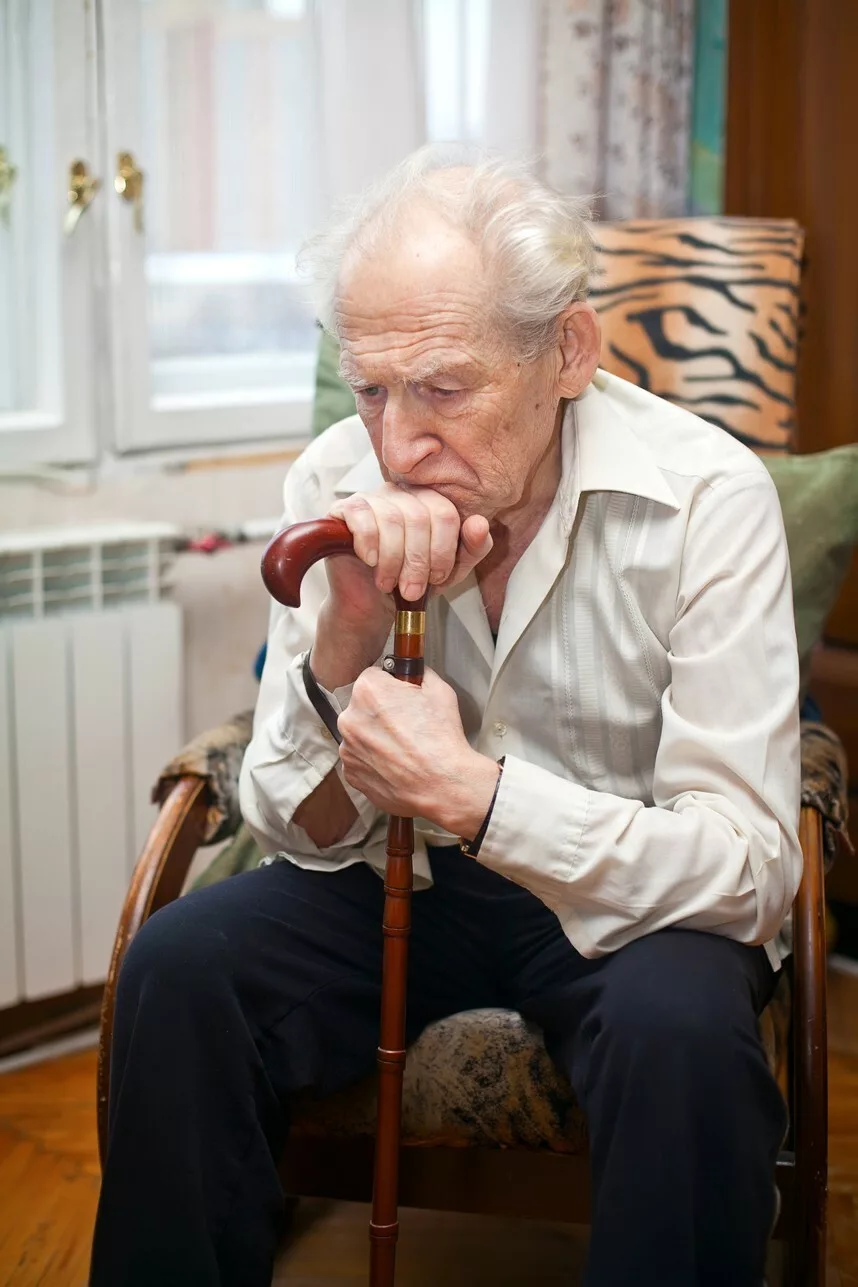
Deciding when to move into a care home is one of the most sensitive and emotionally charged decisions families face. It often involves balancing independence, safety, health needs and emotional readiness.
As a result, many families delay the decision until a crisis occurs.
However, waiting until the last moment can significantly limit options, increase stress and reduce the ability to choose the most suitable environment. Understanding the right timing is therefore essential to ensuring a smoother and safer transition.
Why families tend to wait too long
In most cases, the decision to consider a care home is not immediate. Families gradually adapt to increasing care needs at home, often believing that current arrangements can continue a little longer. This gradual adjustment can make it difficult to recognise when home care is no longer sufficient.
Emotional factors also play a major role. Many older adults fear losing independence, while families may feel uncertainty or guilt about making the transition. This often leads to postponement until a health crisis forces urgent action.
Find YOUR ideal care home NOW!
The risks of waiting until a crisis
When the decision to move into a care home is made during an emergency, such as after a fall or sudden health deterioration, families often have limited time to evaluate options. This can result in rushed decisions that do not fully match the individual’s needs or preferences.
Crisis-driven admissions can also increase emotional distress for the older adult, as the transition becomes associated with hospitalisation or sudden loss of independence. In addition, limited availability in preferred locations can further reduce choice and flexibility.
Signs that waiting may no longer be safe
There are several indicators that suggest a planned transition should be considered rather than waiting for a crisis. Increasing difficulty with daily activities, repeated falls, medication management issues or noticeable cognitive decline often signal that home-based care may no longer be sufficient.
Caregiver strain is another important factor. When family members begin to feel overwhelmed or unable to provide consistent support, it often indicates that additional structured care is needed to ensure safety and well-being.
Timing options and their impact on outcomes
| Timing of Decision | Situation | Impact on Choice | Outcome for Individual |
|---|---|---|---|
| Early planning | Gradual decline in independence | Wide choice of care options | Smoother transition and better adaptation |
| Moderate delay | Increasing care needs at home | Limited but still manageable options | Mixed adaptation depending on timing |
| Crisis-driven move | Hospitalisation or emergency event | Restricted availability and urgent decisions | Higher stress and difficult transition |
Why early planning improves quality of life
Planning a move into a care home before it becomes urgent allows families to make more thoughtful and informed decisions. It provides time to explore different levels of care, compare environments and involve the older adult in the process.
Early planning also reduces emotional pressure during the transition. Instead of reacting to a crisis, families can approach the decision gradually, ensuring that the move is aligned with both medical needs and personal preferences.
How to approach the decision as a family
The decision to move into a care home should ideally be made through open and ongoing discussions. It is important to involve the older adult in conversations as early as possible, focusing on safety, comfort and long-term well-being rather than loss of independence.
In many cases, introducing the idea gradually allows time for adjustment. This approach can reduce resistance and help the individual feel more in control of the decision-making process.
FAQ – Moving Into a Care Home
Should you wait until a crisis to move into a care home?
No, waiting for a crisis often limits choices and increases stress during the transition.
What are the early signs that a care home may be needed?
Frequent falls, difficulty with daily tasks, medication issues and caregiver burnout are key indicators.
Is early planning beneficial for moving into a care home?
Yes, early planning allows better choice, smoother transition and reduced emotional stress.
Can moving be planned gradually?
Yes, gradual discussions and preparation often lead to better acceptance and adaptation.
Who should be involved in the decision?
The older adult, family members and healthcare professionals should all be involved in the decision-making process.
Find the right care support for your loved one
When care needs begin to increase, early planning makes all the difference. Comparing care homes in the UK helps families explore suitable environments, levels of support and available options before a crisis occurs. This ensures a smoother transition, better decision-making and improved long-term well-being for your loved one.
Compare care homes in the UKYou are looking for a care home or nursing home for your loved one ?
Share this article :
Latest posts










You are looking for an establishment for your loved one ?
Get availability & prices
Fill in this form and receive
all the essential information
We would like to inform you of the existence of the opposition list for telephone canvassing.
