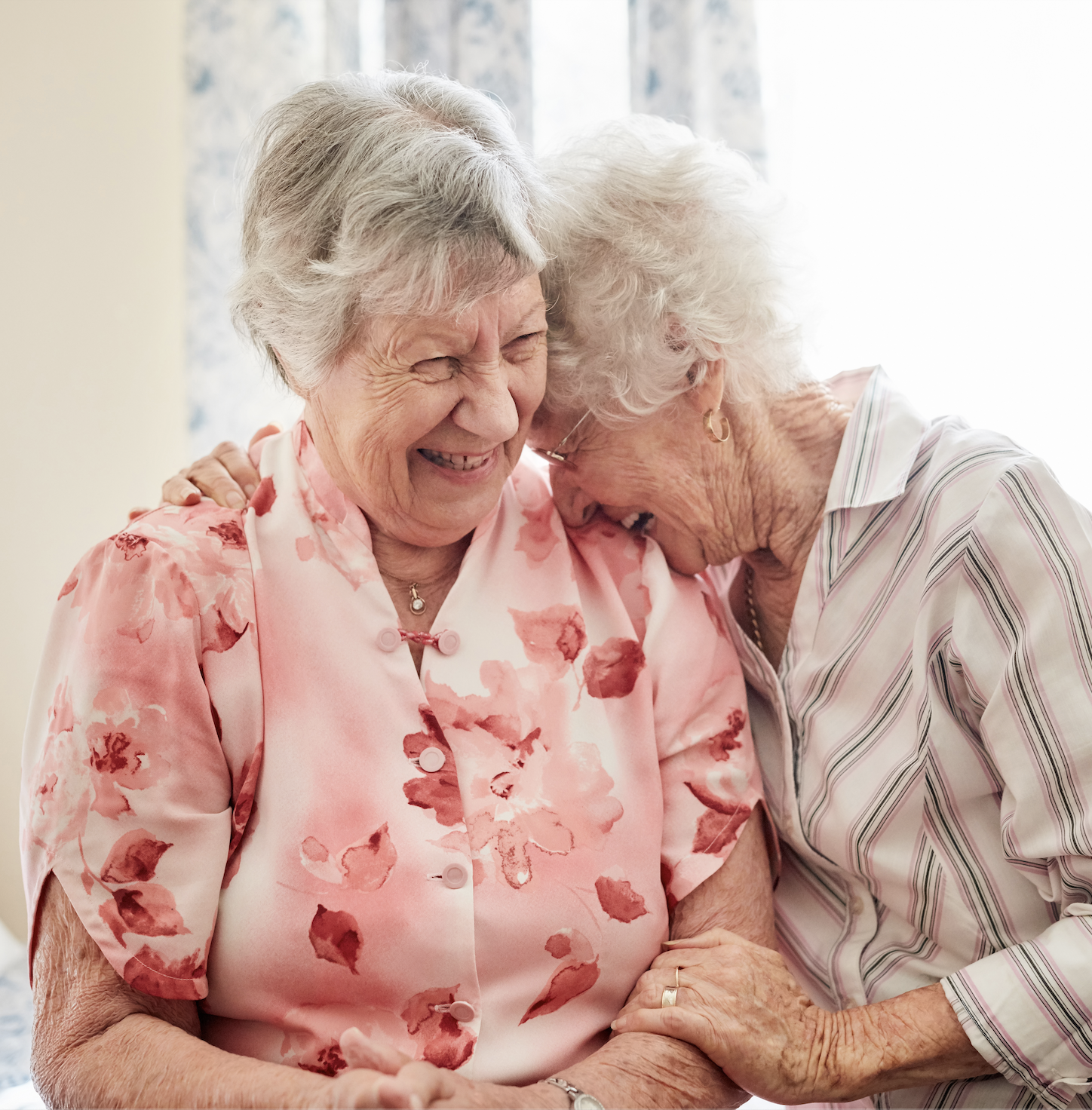
Protecting an elderly loved one is often driven by care, responsibility, and fear of something going wrong. Families step in to reduce risk, prevent accidents, and create a sense of safety.
Yet protection, when taken too far, can quietly produce the opposite effect.
In elderly care, too much protection can increase risk rather than reduce it. This paradox is difficult to accept because it challenges the instinct to control in the name of safety.
Understanding where protection helps and where it begins to harm is essential for sustainable, respectful care.
Why Protection Feels Like the Safest Option
Find YOUR ideal care home NOW!
Protection offers reassurance. It creates the feeling that risk is being actively managed and that nothing is left to chance.
For families, being protective reduces anxiety. For elderly people, it can initially feel comforting to know someone is watching closely.
This sense of safety, however, can mask deeper issues that emerge over time.
When Protection Turns Into Restriction
Protection becomes problematic when it limits normal movement, decision making, or engagement beyond what is necessary.
Daily activities are reduced to avoid potential danger. Choices are narrowed to eliminate uncertainty. Supervision replaces trust.
What begins as protection gradually turns into restriction, often without being recognised as such.
How Overprotection Weakens Real Safety
Real safety is built through capability, awareness, and appropriate structure. Overprotection removes opportunities to maintain these elements.
When elderly people are shielded from all difficulty, skills erode. Confidence declines. Physical and cognitive resilience weaken.
As a result, vulnerability increases, even though the environment feels more controlled.
Risk Becomes Invisible Under Excessive Protection
One of the most dangerous effects of overprotection is that risk becomes harder to see.
When families control routines tightly, elderly people may stop expressing discomfort, fatigue, or difficulty. They adapt quietly to avoid conflict or concern.
This silence hides warning signs and delays recognition of genuine needs.
The Illusion of Safety Through Control
Control creates predictability, but predictability is not the same as safety.
When safety depends entirely on supervision, it becomes fragile. If supervision lapses, risk increases sharply.
Supportive environments reduce risk structurally rather than relying on constant control.
Protection Versus Sustainable Safety
| Aspect of Care | Excessive Protection | Balanced Support |
|---|---|---|
| Decision making | Removed to prevent error | Supported to reduce risk |
| Daily activity | Restricted for safety | Adapted to ability |
| Physical ability | Declines through inactivity | Maintained through engagement |
| Emotional state | Frustration and withdrawal | Confidence and cooperation |
| Risk management | Dependent on supervision | Built into daily structure |
Why Families Often Do Not Notice Overprotection
Overprotection develops gradually. Each protective step feels reasonable on its own.
Families rarely decide to restrict autonomy outright. They adjust one rule, one habit, one routine at a time.
Because nothing dramatic happens, the cumulative effect is easy to miss.
The Emotional Cost of Being Overprotected
Being overprotected can feel infantilising, even when intentions are good.
Elderly people may feel mistrusted or excluded from decisions. This can lead to resistance, withdrawal, or quiet non compliance.
Ironically, this behaviour can increase risk by reducing communication and cooperation.
Protection Should Reduce Consequences, Not Eliminate Life
Risk is part of living. The goal of care is not to remove all risk, but to reduce harm when risk occurs.
When protection aims to eliminate risk entirely, it often eliminates meaningful activity as well.
Balanced care accepts manageable risk in exchange for engagement, autonomy, and resilience.
How Balanced Support Improves Safety
Balanced support focuses on adapting environments rather than restricting people.
It allows elderly individuals to continue participating in daily life while reducing unnecessary danger. It strengthens capability rather than replacing it.
This approach produces safety that lasts, not safety that depends on constant oversight.
Reframing Protection as Partnership
The most effective protection is collaborative.
When elderly people are involved in decisions, they are more likely to share concerns, respect boundaries, and engage honestly.
Protection becomes partnership rather than control, and safety becomes shared rather than imposed.
FAQ – Protection and Risk in Elderly Care
Can too much protection really increase risk
Yes. Overprotection weakens skills, hides warning signs, and increases dependence.
Why do families become overprotective
Because fear and responsibility often override awareness of autonomy.
How can families tell if protection has gone too far
When autonomy is reduced without discussion and resistance increases.
Is some risk acceptable in elderly care
Yes. Managing risk is more effective than trying to eliminate it.
How can safety be improved without restricting freedom
By adapting environments and routines rather than limiting participation.
Safety Is Strongest When Protection Is Balanced
Protection is essential, but only when it supports rather than replaces autonomy.
Too much protection can quietly increase risk by weakening resilience, hiding needs, and creating fragile systems.
Need help finding a care home?
Senior Home Plus offers free personalized guidance to help you find a care facility that suits your health needs, budget, and preferred location in the UK.
Call us at 0203 608 0055 to get expert assistance today.
You are looking for a care home or nursing home for your loved one ?
Share this article :
Latest posts










You are looking for an establishment for your loved one ?
Get availability & prices
Fill in this form and receive
all the essential information
We would like to inform you of the existence of the opposition list for telephone canvassing.
