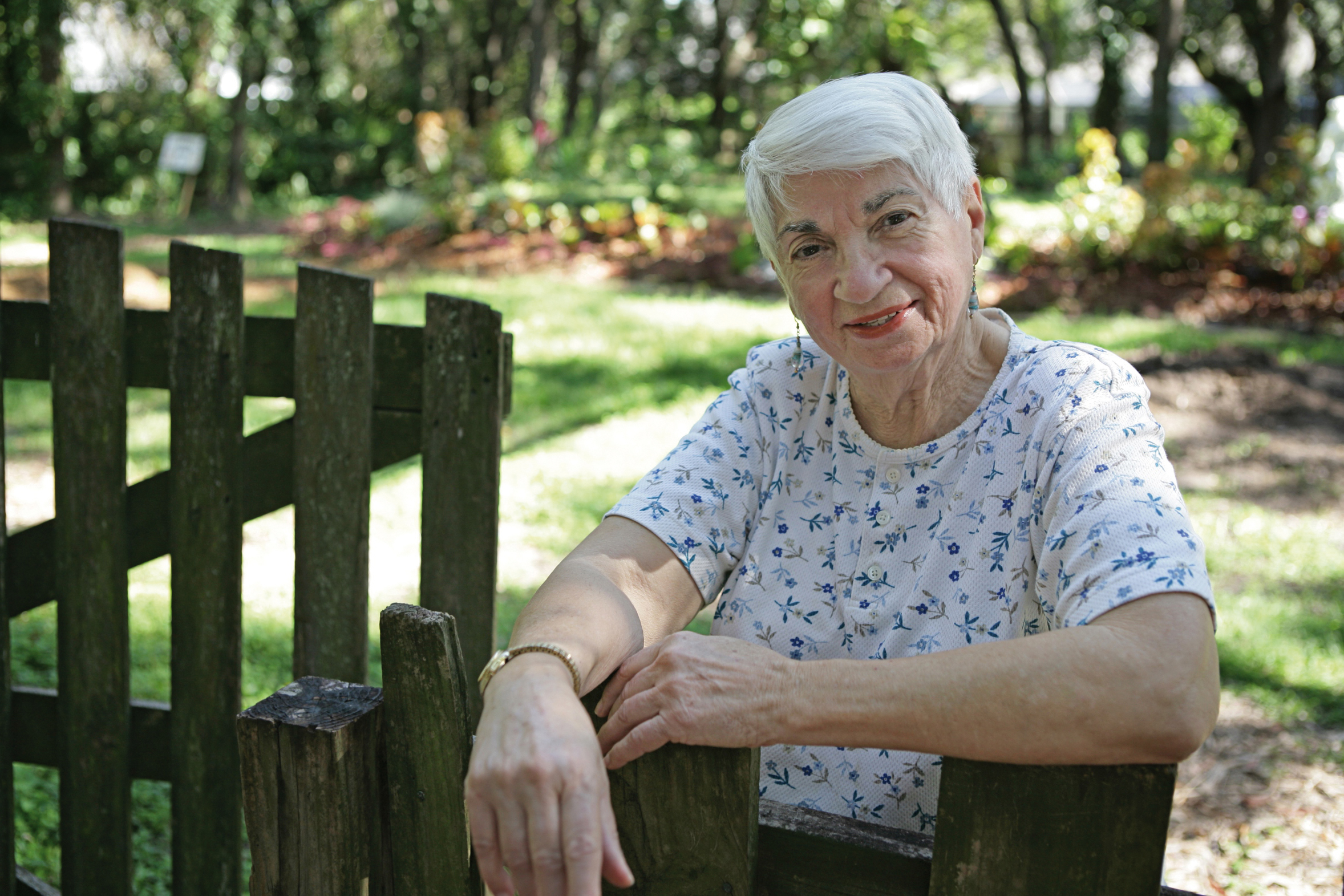
Bath is widely seen as an ideal place to grow older. Its cultural life, walkable streets, green surroundings and strong sense of community make it particularly attractive to retirees. For many seniors, living in Bath represents not just comfort, but quality of life.
However, as care needs evolve, the very lifestyle that makes Bath appealing can also introduce challenges. Families are often faced with a difficult question: how to preserve enjoyment and independence while ensuring safety and long-term wellbeing.
The Appeal of Bath for Older Adults
Find YOUR ideal care home NOW!
Bath offers a lifestyle that many older adults value deeply. Cultural events, social venues, historic surroundings and a strong local identity contribute to a sense of engagement and purpose. For seniors who remain active and independent, this environment can be enriching and motivating.
This appeal often leads families to delay conversations about care, particularly when an older relative appears socially connected and mentally alert. Lifestyle satisfaction can mask emerging vulnerabilities linked to mobility, health or daily functioning.
When Lifestyle Becomes Physically Demanding
| Lifestyle Factor | Positive Impact | Potential Risk Over Time |
|---|---|---|
| Active social life | Mental stimulation and engagement | Fatigue or overexertion |
| City walking culture | Independence and routine | Increased fall risk |
| Busy public spaces | Connection and visibility | Anxiety or disorientation |
| Independent living | Sense of control | Delayed support when needs change |
City living, even in a relatively compact place like Bath, can place physical demands on ageing bodies. Sloped streets, uneven pavements and busy public spaces may become increasingly challenging as balance, strength or stamina decline.
Tasks that once felt effortless walking to local amenities, navigating crowds, managing daily errands can gradually increase fatigue and risk. These challenges are not always immediately visible but often contribute to falls, anxiety and reduced confidence.
Balancing lifestyle and safety when ageing in Bath?
Bath’s walkable centre, cultural life and historic setting make it an attractive place to grow older. At the same time, hills, older housing and increasing health needs can raise practical questions around safety, mobility and daily support. When maintaining an active lifestyle begins to feel more demanding or risky, families often start to reassess whether the current living arrangement remains the best fit. Senior Home Plus offers free, impartial guidance to help families understand care and nursing home options in Bath and the surrounding area as needs evolve.
Get guidance on care options in BathFree guidance • No obligation
The Tension Between Independence and Support
One of the most complex aspects of elderly care decisions in Bath is the tension between preserving independence and accepting support. Many seniors associate care with restriction, fearing a loss of freedom or lifestyle.
In reality, appropriate care can help maintain independence by removing daily pressures and reducing risk. The challenge for families is recognising when lifestyle enjoyment is being sustained at the cost of safety or wellbeing.
| Lifestyle Factor | Positive Impact | Potential Risk Over Time |
|---|---|---|
| Active social life | Mental stimulation and engagement | Fatigue or overexertion |
| City walking culture | Independence and routine | Increased fall risk |
| Busy public spaces | Connection and visibility | Anxiety or disorientation |
| Independent living | Sense of control | Delayed support when needs change |
Recognising the Right Moment to Rebalance
The transition from living well to living safely is rarely marked by a single event. It often emerges through subtle signs: avoiding outings, declining confidence, increased reliance on family, or minor incidents that signal reduced resilience.
In Bath, where lifestyle is closely tied to identity, recognising this moment requires sensitivity. Families who address it early tend to preserve both dignity and quality of life, rather than reacting to crisis situations later.
Making Lifestyle-Aware Care Decisions
Choosing care does not mean abandoning the lifestyle values that matter. On the contrary, the right care solution should support social connection, routine and engagement, while reducing physical strain and risk.
For many families, the most successful decisions are those that respect personal preferences while acknowledging the practical realities of ageing in an active urban environment.
Frequently Asked Questions About Elderly Care and Lifestyle in Bath
Is Bath a good place to grow older?
Yes, particularly for active seniors. However, physical demands and safety should be reassessed as needs evolve.
Can lifestyle mask early signs of declining independence?
Yes. Social engagement and routine can hide growing mobility or health challenges.
When should families reconsider care options?
When daily activities begin to feel exhausting, risky or anxiety-inducing, it is time to reassess.
Does care always mean less independence?
No. Appropriate care can preserve independence by reducing risk and daily pressures.
How can families balance enjoyment and safety?
By planning early and choosing solutions that support both wellbeing and protection.
Get Support for Elderly Care Decisions in Bath
Balancing lifestyle and safety is one of the most delicate aspects of ageing well. The right guidance can help families navigate this transition with confidence and respect.
Need help finding a care home?
Senior Home Plus offers free personalized guidance to help you find a care facility that suits your health needs, budget, and preferred location in the UK.
Call us at 0203 608 0055 to get expert assistance today.
You are looking for a care home or nursing home for your loved one ?
Share this article :
Latest posts










You are looking for an establishment for your loved one ?
Get availability & prices
Fill in this form and receive
all the essential information
We would like to inform you of the existence of the opposition list for telephone canvassing.
