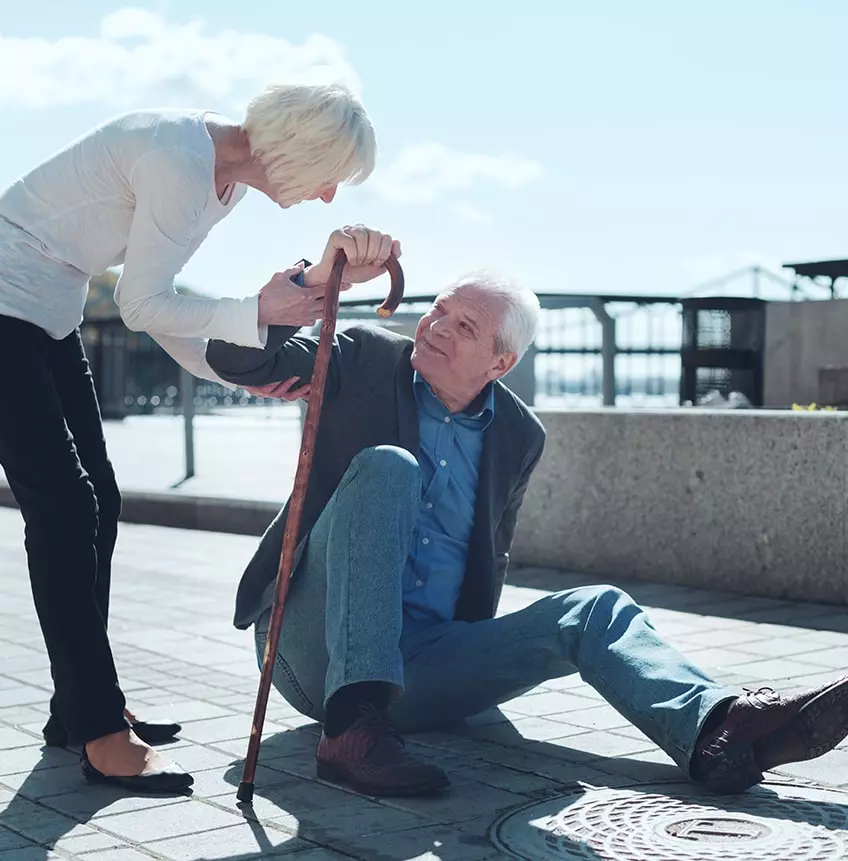
As people move beyond the age of 70, the risk of sudden medical emergencies rises significantly. Ageing can make the body more vulnerable to rapid changes in health, while chronic conditions often increase the likelihood of urgent hospital care. In the United Kingdom, NHS data continues to show that older adults account for a large proportion of emergency admissions, particularly for falls, heart problems, infections and respiratory issues.
Falls and Fractures
Find YOUR ideal care home NOW!
Falls remain one of the leading causes of emergency hospital visits among adults over 70 in the UK. Ageing affects balance, muscle strength and vision, all of which can increase the likelihood of a fall at home. Certain medications can also contribute to dizziness or low blood pressure, making accidents more likely.
A fall may seem minor at first, but in older adults it can quickly become serious. Hip fractures, head injuries and internal bleeding are common concerns. Even when no major injury occurs, a fall can trigger a loss of confidence that affects mobility and independence afterward. Families should always monitor an older adult closely after a fall, especially if they appear confused or complain of pain.
Heart Attacks and Cardiac Events
Heart-related emergencies become more common with age. In adults over 70, symptoms of a heart attack can sometimes appear differently than in younger people. Instead of severe chest pain, an older person may experience unusual fatigue, nausea, shortness of breath or discomfort in the jaw or upper back.
Because symptoms can be subtle, families sometimes mistake them for less serious problems. However, delayed treatment can increase the risk of long-term damage. Any sudden change involving chest pressure, weakness or breathlessness should be treated seriously and assessed immediately.
Strokes
Stroke is another major medical emergency affecting older adults across the UK. The risk rises with age, particularly in those with high blood pressure, diabetes or heart disease. A stroke occurs when blood flow to the brain is interrupted, and immediate treatment is essential.
The most common signs include facial drooping, weakness in one arm and slurred speech. Some older adults may also appear suddenly confused or lose balance without explanation. Fast treatment can significantly improve recovery, which is why calling emergency services immediately is critical.
| Medical Emergency | Common Warning Signs | Why It Is Serious |
|---|---|---|
| Falls | Pain, bruising, confusion | Can cause fractures or head injury |
| Heart attack | Chest discomfort, breathlessness | Requires urgent treatment |
| Stroke | Speech changes, weakness | Can damage brain tissue quickly |
| Infections | Fever, confusion, weakness | May become severe rapidly |
| Breathing problems | Shortness of breath | Can reduce oxygen levels |
Severe Infections
Infections can become much more dangerous after the age of 70. The immune system often responds less efficiently, which means illnesses such as pneumonia or urinary tract infections can progress quickly. In some cases, older adults may not develop a high fever, making the problem harder to detect.
Instead of obvious symptoms, the first sign may be confusion, weakness or a sudden decline in appetite. Families may mistake these changes for fatigue or ageing, but untreated infections can lead to hospitalisation. Any sudden deterioration in physical or mental condition should be taken seriously.
Breathing Difficulties
Respiratory emergencies are common among older adults, particularly those with asthma, chronic obstructive pulmonary disease or heart failure. Shortness of breath can develop gradually or appear suddenly. Even mild breathlessness can become dangerous if oxygen levels begin to fall.
An older adult who struggles to speak, appears pale or seems unusually tired may need urgent assessment. Breathing problems should never be ignored because they can worsen rapidly.
Dehydration and Electrolyte Imbalance
Dehydration is often underestimated in older adults. With age, the sensation of thirst can become weaker, making it easier to drink too little. Certain medications can also increase fluid loss. During warmer weather or illness, dehydration can become a serious medical issue.
Symptoms can include dizziness, confusion, weakness and low blood pressure. Severe dehydration can lead to falls, kidney problems or hospital admission. Families should be aware that confusion in an older adult is sometimes linked to fluid imbalance rather than memory decline.
Medication Reactions
Adults over 70 are more likely to take multiple medications, increasing the risk of side effects or interactions. Some emergency hospital visits occur because of accidental overdose, missed doses or unexpected reactions to new prescriptions.
Changes in alertness, balance or blood pressure may indicate that medication is contributing to a health emergency. Regular medication reviews can help reduce these risks, but sudden changes should always be assessed quickly.
Why Early Recognition Matters
Many medical emergencies in older adults begin with subtle symptoms. What looks like tiredness, confusion or weakness can sometimes be the first sign of a serious condition. Families who understand these warning signs are often better able to act quickly and seek help before the situation worsens.
Recognising the most common emergencies does not remove the worry of caring for an ageing parent, but it can make decision-making clearer during stressful moments. Awareness remains one of the most valuable tools in protecting senior health.
FAQ – Common Senior Medical Emergencies in the UK
What is the most common emergency in adults over 70?
Falls are one of the most frequent medical emergencies in older adults and often lead to hospital admission.
Can confusion be a medical emergency in seniors?
Yes. Sudden confusion can indicate infection, dehydration, stroke or medication problems.
Are heart attack symptoms different in older adults?
Yes. Older adults may feel weakness or breathlessness instead of severe chest pain.
Why are infections more dangerous after 70?
The immune system becomes weaker with age, allowing infections to progress faster.
When should families call 999?
Families should call 999 if an older adult has breathing problems, chest pain, stroke symptoms or becomes unconscious.
Finding the Right Support Before Emergencies Happen
Understanding the most common medical emergencies can help families feel more prepared, but having the right support in place can offer even greater reassurance. When an older loved one needs a safer environment with daily assistance, comparing suitable care options becomes an important step. Our advisors can help you explore care homes across the UK and find a solution that matches your family’s needs with complete peace of mind.
Compare Care Homes in the UKYou are looking for a care home or nursing home for your loved one ?
Share this article :
Latest posts










You are looking for an establishment for your loved one ?
Get availability & prices
Fill in this form and receive
all the essential information
We would like to inform you of the existence of the opposition list for telephone canvassing.
