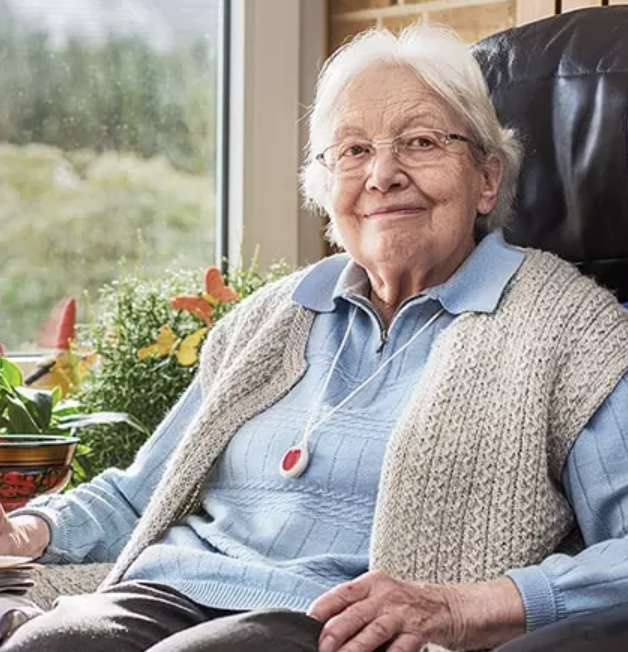
Pain is often dismissed in later life. Many older adults themselves say it: “It’s just age.” Families may accept persistent discomfort as inevitable. However, pain in older adults is not automatically a normal part of ageing.
While mild aches can accompany wear and tear, new, sudden or worsening pain can signal underlying medical conditions that require prompt attention. Recognising when pain is a warning sign rather than a minor inconvenience is essential to preventing complications.
Understanding the difference can protect both quality of life and long-term health.
Is Pain a Normal Part of Ageing?
Find YOUR ideal care home NOW!
Ageing does increase the likelihood of musculoskeletal discomfort due to joint degeneration, reduced cartilage and chronic conditions such as osteoarthritis. However, ageing itself does not cause severe or unexplained pain.
Persistent pain that interferes with sleep, mobility or appetite should never be considered “just old age.” Pain is a symptom. The key question is what it is signalling.
The context, duration and associated symptoms determine whether medical evaluation is necessary.
Types of Pain That May Signal a Serious Issue
The following table outlines common types of pain in older adults and when they may indicate something more serious.
| Type of Pain | Possible Cause | When It Is a Warning Sign |
|---|---|---|
| Chest Pain | Cardiac issues or angina | Sudden onset, breathlessness, sweating |
| Abdominal Pain | Infection, obstruction, aneurysm | Severe, persistent, accompanied by nausea or fever |
| Back Pain | Compression fracture or infection | Sudden pain after minor movement or fall |
| Headache | Vascular or neurological issue | New, severe headache after age 70 |
| Joint Pain | Inflammation or infection | Redness, swelling, fever |
| Leg Pain | Circulatory problems or clot | Swelling, warmth, sudden onset |
The pattern of pain often reveals more than the location alone.
Subtle Warning Signs Families Often Miss
Older adults may underreport pain. Some avoid mentioning discomfort to prevent “making a fuss.” Others have lived with chronic pain for years and assume worsening symptoms are inevitable.
However, certain changes should raise concern. Pain that disrupts sleep consistently, causes noticeable behavioural change or leads to reduced appetite may indicate something more serious.
Sudden confusion in an older adult can sometimes be linked to untreated pain or infection. A new reluctance to move or walk may reflect fear of exacerbating hidden injury. When pain alters daily functioning, it deserves medical attention.
Why Pain Can Be Harder to Detect in Older Adults
Ageing can alter pain perception. Some individuals experience reduced sensitivity, particularly those with diabetes-related neuropathy. Others may struggle to describe symptoms clearly, especially if cognitive decline is present.
Infections, such as urinary tract infections, may present primarily as discomfort or agitation rather than classic symptoms like fever.
This complexity makes observation essential. Behavioural cues often provide critical information.
The Risks of Ignoring Persistent Pain
Untreated pain increases the risk of falls, sleep disturbance, depression and cognitive decline. It reduces mobility, which can lead to muscle weakness and social withdrawal.
In some cases, delayed investigation of serious conditions such as fractures, cardiovascular events or abdominal emergencies can significantly worsen outcomes.
Pain should be treated as a diagnostic clue, not merely a discomfort to endure.
When to Seek Urgent Medical Help
Immediate medical attention is necessary if pain is sudden, severe, accompanied by chest pressure, breathing difficulty, confusion, high fever, persistent vomiting or weakness.
Even non-urgent but persistent pain should be discussed with a GP, particularly if it lasts more than a few days or progressively worsens.
Early evaluation often allows for simpler, more effective treatment.
Supporting Older Adults in Reporting Pain
Encouraging open discussion about discomfort without minimising symptoms helps older adults feel heard. Asking specific questions about location, duration and intensity can clarify patterns.
Regular health reviews are particularly important for those with chronic conditions. Adjusting medication or physical therapy plans may significantly improve quality of life. The goal is not to alarm, but to remain attentive.
FAQ – Pain in Older Adults
Is pain just part of getting older?
Mild aches may occur with ageing, but persistent, severe or sudden pain is not normal and should be assessed.
When should chest pain in an elderly person be considered serious?
Chest pain accompanied by breathlessness, sweating or weakness requires urgent medical attention.
Can untreated pain affect mental health?
Yes. Chronic pain is strongly linked to depression, anxiety and cognitive decline in older adults.
Why do some elderly people hide pain?
Some fear burdening family members or believe pain is an unavoidable part of ageing.
How can families monitor pain effectively?
Observe behavioural changes, reduced mobility, appetite shifts and sleep disturbances, and encourage regular GP consultations.
Need help finding a care home?
Senior Home Plus offers free personalized guidance to help you find a care facility that suits your health needs, budget, and preferred location in the UK.
Call us at 0203 608 0055 to get expert assistance today.
You are looking for a care home or nursing home for your loved one ?
Share this article :
Latest posts










You are looking for an establishment for your loved one ?
Get availability & prices
Fill in this form and receive
all the essential information
We would like to inform you of the existence of the opposition list for telephone canvassing.
