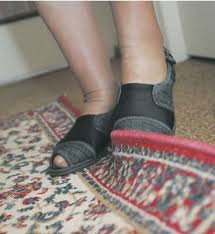
Many families notice a troubling pattern: falls seem to happen more frequently at night. An older parent gets up to use the bathroom and loses balance. A trip in the dark leads to a fracture. What feels like an isolated accident may actually reflect predictable risk factors linked to ageing physiology and environmental conditions.
Night-time falls in older adults are not random. They are often the result of multiple interacting factors, including reduced vision, blood pressure fluctuations, medication effects and disrupted sleep cycles.
Understanding why elderly people fall at night more often is the first step toward prevention.
Why Night-Time Is a High-Risk Period
Find YOUR ideal care home NOW!
During the night, the body operates differently. Blood pressure may drop. Muscles are stiff from inactivity. Alertness is reduced. Vision is impaired in low light. When an older adult suddenly rises from bed, these changes combine to create instability.
The risk is further amplified by urgency. Many older adults wake with a strong need to urinate, which leads to rushing. In that moment, safety precautions are often forgotten.
The following table outlines the most common contributors to night-time falls.
| Risk Factor | Why It Increases Night Falls | Warning Signs |
|---|---|---|
| Low Blood Pressure (Orthostatic Hypotension) | Sudden drop in blood pressure when standing | Dizziness upon rising |
| Poor Night Vision | Reduced depth perception in darkness | Hesitation in dim environments |
| Sleep Medication | Impaired balance and slowed reaction time | Grogginess or confusion at night |
| Nocturia (Frequent Night Urination) | Repeated trips to the bathroom | Urgency or incomplete bladder emptying |
| Environmental Hazards | Loose rugs, poor lighting, clutter | Previous near-misses or stumbles |
| Cognitive Impairment | Disorientation upon waking | Confusion or wandering |
Night-time falls typically involve more than one of these factors simultaneously.
The Role of Blood Pressure and Circulation
As people age, the body’s ability to regulate blood pressure weakens. When standing up quickly from lying down, blood may pool in the lower body, reducing blood flow to the brain. This condition, known as orthostatic hypotension, can cause dizziness, blurred vision or even fainting.
At night, dehydration or certain medications can worsen this effect. A brief moment of light-headedness is often enough to cause a fall.
Vision and Sensory Changes in Low Light
Ageing affects the eyes’ ability to adapt to darkness. Depth perception and contrast sensitivity decline. Even familiar surroundings can become visually confusing in dim light.
If an older adult already has cataracts, glaucoma or macular degeneration, night-time navigation becomes significantly more difficult. This is why even minor obstacles pose greater danger after sunset.
Medication and Sedation
Sleep aids, sedatives, blood pressure medications and certain antidepressants can impair balance or slow reaction time. When an older adult wakes during the night, residual sedation may affect coordination.
Polypharmacy, the use of multiple medications, further increases fall risk. Regular medication reviews with a GP are essential for identifying drugs that may contribute to night-time instability.
Why Night Urination Increases Fall Risk
Nocturia, or frequent urination at night, is extremely common in older adults. Causes include enlarged prostate in men, bladder changes in women, diabetes and certain medications.
The urgency associated with nocturia often leads to rushing. Combined with low light and reduced alertness, this creates a high-risk situation.
Repeated nightly trips multiply exposure to fall hazards.
The Consequences of Night-Time Falls
Falls at night are particularly dangerous because they may go unnoticed for hours. An older adult living alone may remain on the floor without assistance.
Hip fractures, head injuries and internal bleeding are common outcomes. Recovery after 70 or 80 can be prolonged and may reduce long-term independence.
Preventing falls is therefore not merely about safety, but about preserving quality of life.
Practical Prevention Strategies
Simple environmental adjustments significantly reduce risk. Installing night lights along hallways, securing loose rugs and ensuring clear walking paths can transform safety.
Encouraging slow transitions from lying to standing helps stabilise blood pressure. Adequate hydration during the day, balanced with mindful evening fluid intake, may reduce nocturia frequency.
Mobility assessments, vision checks and medication reviews provide additional layers of protection. Prevention requires anticipation rather than reaction.
FAQ – Night-Time Falls in the Elderly
Why are falls more common at night in older adults?
Reduced vision, blood pressure changes, medication effects and night-time urination combine to increase fall risk after dark.
Is dizziness at night normal in elderly people?
Frequent dizziness is not normal and should be assessed by a GP, especially if it occurs when standing up.
Can sleep medication cause falls?
Yes. Many sedatives impair coordination and alertness, increasing the likelihood of night-time falls.
How can I make my parent’s home safer at night?
Install adequate lighting, remove tripping hazards, ensure stable footwear and encourage slow movement when rising.
When should I seek medical advice after a fall?
If a fall results in head injury, pain, confusion or difficulty standing, seek medical attention immediately.
Need help finding a care home?
Senior Home Plus offers free personalized guidance to help you find a care facility that suits your health needs, budget, and preferred location in the UK.
Call us at 0203 608 0055 to get expert assistance today.
You are looking for a care home or nursing home for your loved one ?
Share this article :
Latest posts










You are looking for an establishment for your loved one ?
Get availability & prices
Fill in this form and receive
all the essential information
We would like to inform you of the existence of the opposition list for telephone canvassing.
