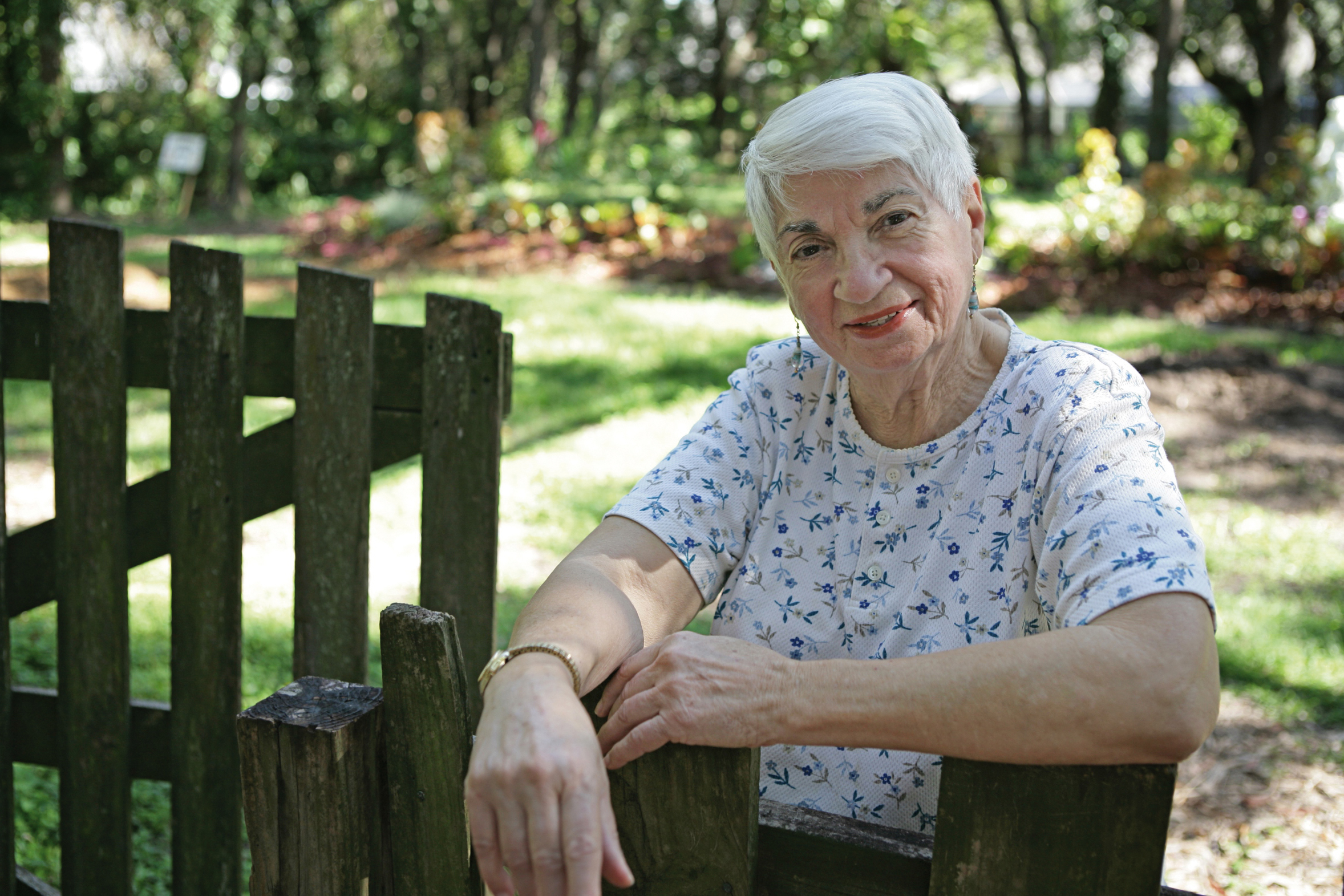
For many elderly people, accepting help is not simply a practical adjustment. It is an emotional turning point. Even when assistance is clearly needed, the idea of receiving help can feel deeply unsettling, as though something essential is being taken away.
This reaction is often misunderstood. From the outside, help appears supportive, even reassuring. From the inside, however, it can feel like a loss of identity, autonomy and self-worth. Understanding this emotional tension is crucial for families seeking to support loved ones without unintentionally undermining their dignity.
Identity Is Built on Independence
Find YOUR ideal care home NOW!
Throughout adulthood, identity is closely tied to autonomy. Work, family roles and daily responsibilities shape a sense of usefulness and control. The ability to manage one’s own life becomes a source of pride and personal meaning.
As people age, these foundations do not disappear. The desire to remain capable, decisive and independent remains strong. When help becomes necessary, it challenges this deeply rooted self-image.
Accepting assistance can feel like admitting that the person one has always been no longer exists in the same way.
Why Help Is Often Experienced as a Threat
Help is rarely perceived as neutral. It often arrives with implicit messages, even when none are intended. Assistance can feel like confirmation of decline, dependence or fragility.
For elderly individuals, this shift can provoke fear. Fear of becoming invisible, of losing authority over one’s own life, or of being defined solely by limitations rather than by experience and character.
This is why resistance to help is often emotional rather than rational. It is not about the task itself, but about what that task represents.
The Loss of Control Beneath the Surface
One of the most difficult aspects of accepting help is the loss of decision-making power. When others step in, choices may feel constrained, monitored or questioned.
Even well-intentioned support can create the impression that autonomy is slipping away. Over time, this perceived loss of control can erode confidence and self-esteem, reinforcing the feeling that identity is being replaced by dependency.
This internal struggle is rarely expressed openly, making it easy for families to underestimate its impact.
How Accepting Help Changes Self-Perception
Accepting help alters how elderly individuals see themselves. Activities once associated with competence become reminders of limitation. Asking for assistance can feel like crossing an invisible line that cannot be undone.
This shift often triggers grief. Not grief for a specific loss, but for a former version of oneself. Without space to acknowledge this emotional transition, frustration and resistance may intensify.
Understanding this process helps explain why acceptance takes time and why sudden changes can feel overwhelming.
Why Accepting Help Feels Like Losing Identity
| Underlying Experience | Emotional Meaning | Impact on Identity |
|---|---|---|
| Needing assistance for daily tasks | Feeling of personal failure | Reduced self-worth |
| Increased external involvement | Loss of privacy | Erosion of autonomy |
| Decisions made by others | Feeling sidelined | Identity displacement |
| Being perceived as vulnerable | Fear of being defined by limits | Loss of personal narrative |
| Shift from giver to receiver | Emotional imbalance | Threat to role and purpose |
Why Families Often Misinterpret Resistance
Families may interpret refusal of help as stubbornness or denial. In reality, it is often an attempt to protect identity.
Without acknowledging the emotional meaning behind resistance, well-intentioned support can feel imposed rather than supportive. This can deepen mistrust and slow acceptance further.
When identity is respected, acceptance becomes less threatening.
Preserving Identity While Accepting Support
Accepting help does not have to mean losing identity. When assistance is framed as collaboration rather than replacement, dignity is preserved.
Involving elderly individuals in decisions, respecting preferences and recognising past competence helps maintain continuity of self. Support becomes an extension of autonomy rather than its end.
Frequently Asked Questions
Why does accepting help feel so difficult for elderly people?
Because it challenges long-held identities built on independence, competence and control.
Is resistance to help a form of denial?
Not always. It is often an emotional response to perceived loss of dignity and autonomy.
Can accepting help affect self-esteem?
Yes. Without careful framing, it can lead to reduced confidence and self-worth.
How can families support without threatening identity?
By involving elderly individuals in decisions and respecting their autonomy and preferences.
Does accepting help mean losing independence completely?
No. When approached thoughtfully, help can preserve independence by preventing crises.
Need help finding a care home?
Senior Home Plus offers free personalized guidance to help you find a care facility that suits your health needs, budget, and preferred location in the UK.
Call us at 0203 608 0055 to get expert assistance today.
You are looking for a care home or nursing home for your loved one ?
Share this article :
Latest posts










You are looking for an establishment for your loved one ?
Get availability & prices
Fill in this form and receive
all the essential information
We would like to inform you of the existence of the opposition list for telephone canvassing.
