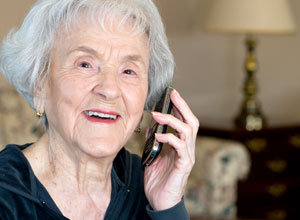
It is often subtle at first. Fewer phone calls returned. Invitations declined more frequently. A once sociable parent now prefers staying at home, limiting interactions and avoiding gatherings. Families may wonder whether this withdrawal is simply a natural part of ageing or a sign of something more concerning.
Social withdrawal after the age of 80 is not uncommon. However, it is rarely without cause. Understanding the underlying reasons behind this behavioural shift is essential, as isolation in later life can significantly impact physical health, mental wellbeing and cognitive resilience.
Rather than viewing withdrawal as a personality change, it is more accurate to see it as a potential signal.
Is Social Withdrawal Normal After 80?
Find YOUR ideal care home NOW!
Ageing often brings lifestyle changes. Retirement, loss of friends, reduced mobility and changes in energy levels naturally narrow social circles. For some individuals, a quieter life feels comfortable and intentional.
The distinction lies in whether the withdrawal reflects preference or distress. Choosing fewer but meaningful interactions is different from disengaging entirely, avoiding contact or expressing indifference toward relationships that once mattered.
When withdrawal becomes persistent, progressive or accompanied by mood changes, it deserves attention.
Common Reasons Older Adults Withdraw Socially
Social withdrawal is usually multifactorial. Below is a structured overview of common contributing factors.
| Underlying Factor | How It Contributes to Withdrawal | Associated Signs |
|---|---|---|
| Hearing or Vision Loss | Conversation becomes exhausting or frustrating | Avoidance of group settings, frequent “misunderstandings” |
| Depression | Reduced motivation and loss of pleasure | Low mood, fatigue, apathy |
| Cognitive Changes | Anxiety about memory lapses or confusion | Defensiveness, repetition, social hesitation |
| Chronic Illness or Pain | Low energy and physical discomfort | Reduced mobility, cancellation of plans |
| Grief and Bereavement | Loss of emotional anchor and shared routines | Nostalgia, emotional withdrawal |
| Loss of Confidence | Fear of embarrassment or falling | Avoidance of public spaces |
These factors frequently overlap. For example, untreated hearing loss may lead to frustration in conversations, which gradually reduces participation and contributes to isolation.
The Role of Sensory Decline
Hearing and vision impairment are among the most underestimated drivers of social withdrawal. Conversations in group settings become cognitively demanding. Mishearing words can cause embarrassment. Over time, avoiding social environments may feel easier than navigating repeated misunderstandings.
Research consistently shows that untreated hearing loss increases the risk of social isolation, depression and even cognitive decline. Addressing sensory changes early can significantly restore engagement.
Emotional and Psychological Influences
Depression in older adults often presents as apathy rather than sadness. Withdrawal can reflect emotional exhaustion rather than deliberate avoidance. In individuals over 80, depression may go undetected because symptoms are attributed to ageing.
Bereavement also reshapes social identity. The loss of a spouse or long-term companion removes shared routines and emotional support. Even when grief is not openly expressed, it can alter motivation to maintain social networks.
In some cases, cognitive concerns contribute silently. An older adult who notices memory lapses may fear being judged or corrected. Avoiding social interaction becomes a protective strategy.
Physical Limitations and Energy Changes
After 80, even minor health changes can significantly impact stamina. Chronic conditions, joint stiffness or balance concerns may make outings feel physically demanding. Fear of falling or becoming unwell outside the home may reinforce reluctance to engage.
What appears as indifference may in fact be risk avoidance.
When Should Families Be Concerned?
Concern is warranted when withdrawal is sudden, progressive or accompanied by mood changes, confusion, appetite shifts or noticeable personality alteration. A significant reduction in communication, reluctance to leave the house or expressions of hopelessness should prompt medical consultation.
Early evaluation can identify reversible causes such as depression, medication side effects or untreated sensory issues.
Ignoring persistent withdrawal increases the risk of accelerated cognitive and physical decline.
How to Respond Constructively
Rather than forcing participation, families should explore underlying barriers. A hearing assessment, vision check or GP consultation may reveal treatable factors.
Encouraging smaller, low-pressure interactions often proves more effective than large gatherings. Rebuilding confidence gradually preserves dignity while reducing overwhelm.
Structured routines, gentle physical activity and meaningful roles within the family can also reintroduce purpose. The objective is not to push, but to understand.
FAQ – Social Withdrawal After 80
Is it normal for someone over 80 to become less social?
It can be normal to prefer smaller social circles, but complete or sudden withdrawal may indicate underlying health, sensory or emotional issues.
Can hearing loss cause social isolation?
Yes. Untreated hearing loss often leads to frustration in conversation and gradual avoidance of social settings.
Does social withdrawal mean dementia?
Not necessarily. Withdrawal may be linked to depression, grief, chronic illness or loss of confidence. However, cognitive assessment may be appropriate if other symptoms are present.
When should I consult a GP?
If withdrawal is new, worsening or accompanied by mood or cognitive changes, a GP appointment is advisable.
Can isolation affect physical health?
Yes. Persistent social isolation is associated with increased risks of depression, cognitive decline and reduced overall wellbeing.
Need help finding a care home?
Senior Home Plus offers free personalized guidance to help you find a care facility that suits your health needs, budget, and preferred location in the UK.
Call us at 0203 608 0055 to get expert assistance today.
You are looking for a care home or nursing home for your loved one ?
Share this article :
Latest posts










You are looking for an establishment for your loved one ?
Get availability & prices
Fill in this form and receive
all the essential information
We would like to inform you of the existence of the opposition list for telephone canvassing.
