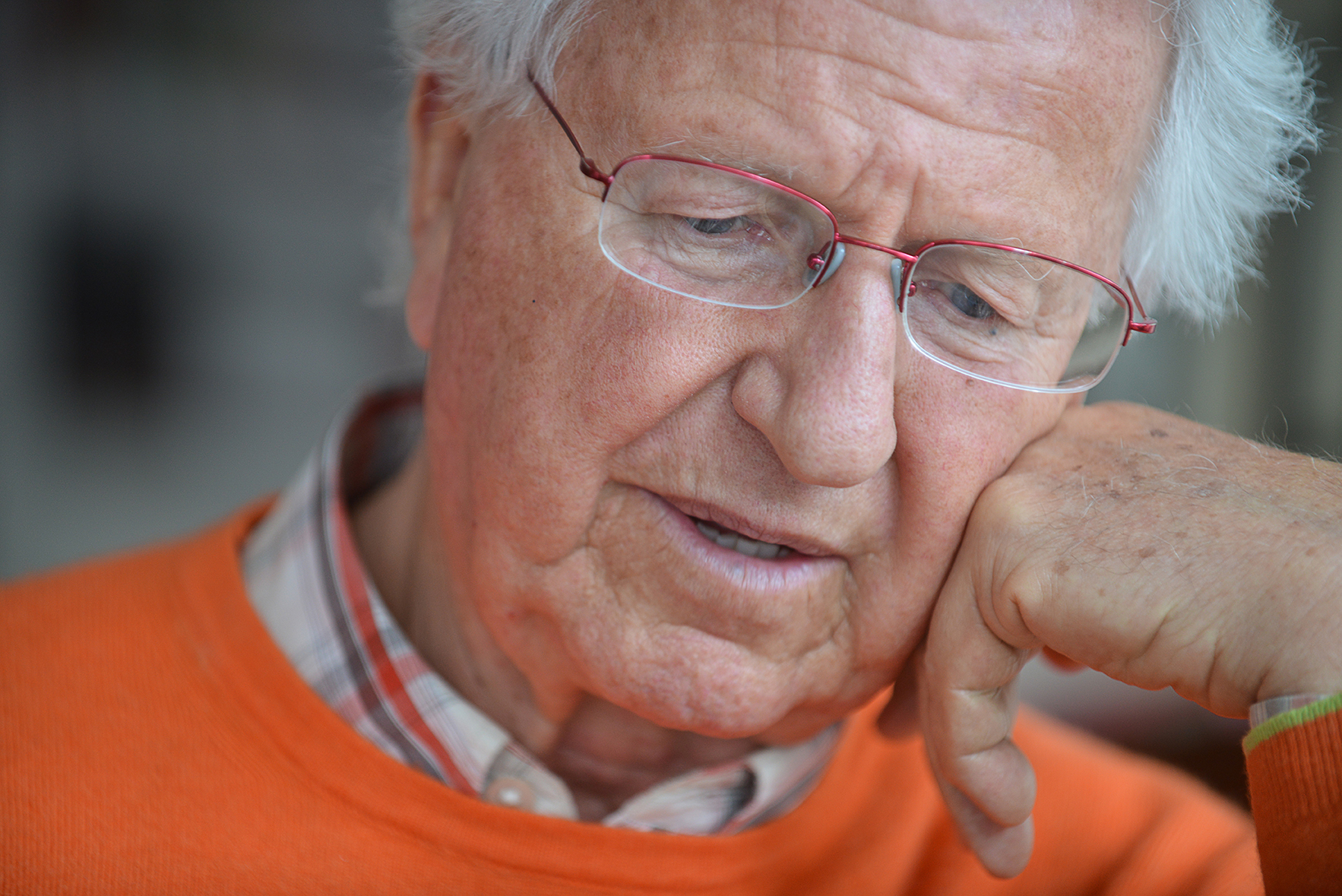
Social isolation is one of the most underestimated risks associated with ageing. Beyond loneliness, prolonged isolation can affect mental health, cognitive function, and overall wellbeing. In care environments, managing social isolation is therefore not optional; it is a core component of quality support.
Understanding how social isolation is managed in care environments helps families evaluate whether emotional and social needs are being addressed alongside physical care.
Why Social Isolation Is a Serious Concern
Find YOUR ideal care home NOW!
Social isolation is linked to increased anxiety, depression, cognitive decline, and loss of motivation. Older adults may experience isolation even when surrounded by people if interactions lack meaning or continuity.
Effective care environments recognise that wellbeing depends on connection, not just presence.
Social Isolation Is Not Always Obvious
Isolation does not always look like being alone. Some individuals withdraw quietly, avoid interaction, or stop initiating conversation. Others may appear sociable but feel emotionally disconnected. This is why active management, rather than passive availability, is essential.
How Social Isolation Is Actively Managed
| Area of Support | How Isolation Is Addressed | Why It Matters |
|---|---|---|
| Structured interaction | Planned social moments built into daily life | Prevents prolonged withdrawal |
| Relationship continuity | Consistent support staff and routines | Builds trust and familiarity |
| Personalised engagement | Activities aligned with interests and abilities | Encourages genuine participation |
| Family connection | Support for visits and communication | Maintains emotional continuity |
| Observation and response | Monitoring changes in mood or behaviour | Allows early intervention |
The Role of Routine in Reducing Isolation
Predictable routines create natural opportunities for interaction. Shared moments, even brief ones, help individuals feel seen and included without pressure.
Routine provides social structure as well as emotional safety.
Meaningful Interaction Over Quantity
Managing isolation is not about constant activity. Too much stimulation can be overwhelming. The focus is on meaningful connection, tailored to individual preferences and energy levels. Quality matters more than frequency.
Supporting Individuals Who Withdraw
Withdrawal is often a coping mechanism rather than a preference. Gentle encouragement, familiar faces, and low-pressure engagement help individuals reconnect at their own pace. Respecting autonomy while preventing isolation requires balance.
Emotional Safety and Trust
Social connection depends on emotional safety. Trust develops when interactions are respectful, consistent, and free from judgement. Once trust is established, individuals are more likely to engage. Trust is the foundation of connection.
Family Involvement as a Protective Factor
Families play a key role in managing isolation. Regular contact, shared routines, and emotional reassurance reinforce identity and belonging. Care environments that facilitate family involvement strengthen emotional wellbeing.
When Isolation Signals a Deeper Issue
Persistent isolation may indicate depression, cognitive decline, or unmet emotional needs. Early recognition allows support to be adjusted before isolation becomes entrenched. Isolation should always be explored, not dismissed.
Monitoring Social Wellbeing Over Time
Social needs change. Someone who was previously engaged may withdraw following illness, loss, or transition. Ongoing observation ensures social wellbeing remains part of care planning. Reassessment is as important socially as it is medically.
The Impact of Managing Isolation Well
When social isolation is effectively managed, individuals often show improved mood, better engagement, and greater emotional stability. Families also feel reassured that wellbeing is being addressed holistically. Connection supports resilience.
FAQ – Social Isolation in Care Environments
How is social isolation managed in care environments?
Through structured interaction, observation, and personalised engagement.
Can someone feel isolated even around others?
Yes. Emotional connection matters more than proximity.
Is routine important for social wellbeing?
Yes. Routine creates natural, reassuring opportunities for interaction.
How do families help reduce isolation?
By maintaining contact and emotional continuity.
Should social wellbeing be reassessed regularly?
Yes. Social needs evolve over time.
Summary
Social isolation is a serious concern in care settings because it is strongly linked to anxiety, depression, cognitive decline, and reduced motivation. It can occur even when people are physically surrounded by others if interactions lack meaning or continuity.
Effective care environments actively manage isolation through structured interaction, personalised engagement, and consistent relationships. The goal is not simply presence, but genuine emotional connection and belonging.
Key Takeaways
- Social isolation can affect mental, emotional, and cognitive health.
- People can feel isolated even when surrounded by others.
- Care environments actively manage isolation through structured social support.
- Consistency in relationships and routines builds emotional connection.
- Meaningful interaction is more important than the quantity of social activity.
- Family involvement plays a key role in reducing isolation.
Need help finding a care home?
Senior Home Plus offers free personalized guidance to help you find a care facility that suits your health needs, budget, and preferred location in the UK.
Call us at 0203 608 0055 to get expert assistance today.
You are looking for a care home or nursing home for your loved one ?
Get our support
Share this article :
Latest posts










You are looking for an establishment for your loved one ?
Get availability & prices
Fill in this form and receive
all the essential information
We would like to inform you of the existence of the opposition list for telephone canvassing.
