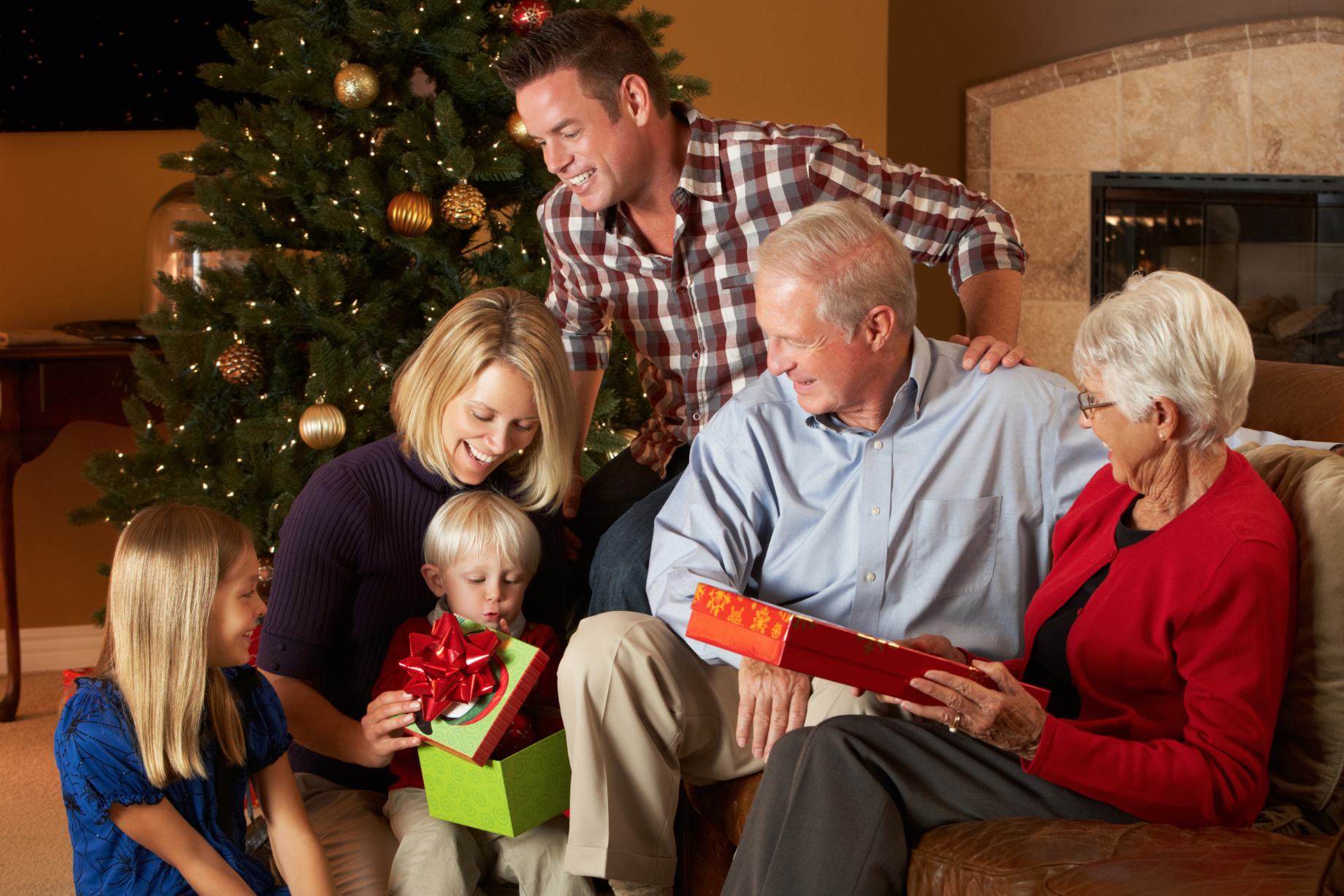
Christmas is often portrayed as a joyful, family-centred time of year. Yet for many older people in the UK, the festive season can be emotionally complex and, at times, deeply challenging. Changes in routine, heightened social expectations and the stark contrast with everyday life can all amplify underlying difficulties.
Understanding why Christmas can be hard for older adults is the first step toward offering meaningful, respectful support that goes beyond good intentions.
Why Christmas Feels Different in Later Life
Find YOUR ideal care home NOW!
As people age, their relationship with Christmas often changes. What was once a busy, celebratory period may become a reminder of loss, reduced independence or social isolation.
Physical limitations, health conditions and fatigue can make festive activities feel overwhelming rather than enjoyable. At the same time, the cultural pressure to appear cheerful can discourage older people from expressing discomfort or sadness.
Loneliness and Social Isolation at Christmas
Loneliness is one of the most significant challenges older people face during the festive period. For those living alone, Christmas can magnify feelings of absence, particularly when family relationships are distant or fragmented.
Even older adults who receive visits may feel lonely once celebrations end, as the return to quiet routines can feel abrupt and unsettling.
Bereavement and the Weight of Memory
Christmas is strongly associated with tradition and shared memories. For older people who have lost a partner, siblings or close friends, the season can trigger grief more intensely than at other times of year.
Familiar rituals, songs or meals may highlight who is no longer present, making it difficult to engage with celebrations in the same way as before.
Health, Fatigue and Seasonal Strain
Winter places additional strain on physical and mental health. Cold weather, reduced mobility and chronic conditions can worsen during December, while disrupted routines may affect sleep, appetite and medication schedules.
Festive gatherings can also be physically exhausting, leading some older people to withdraw not out of disinterest, but out of necessity.
Changes in Routine and Sense of Control
Many older adults rely on predictable routines to feel secure. Christmas often disrupts these patterns, with altered meal times, increased noise and unfamiliar schedules.
For some, particularly those experiencing cognitive decline, these changes can increase anxiety, confusion or distress.
Why Christmas can be difficult for older people
How families can offer the right support
While the festive season is often associated with joy, it can also be a challenging time for older people, particularly those facing loneliness, health issues or major life changes.
- Loneliness and isolation: Fewer social contacts or the absence of loved ones can feel more pronounced.- Changes in routine: Disrupted schedules can increase anxiety, especially for those with cognitive difficulties.
- Emotional reminders: Christmas can bring memories of loss or past family traditions.
- Practical challenges: Fatigue, mobility issues or health concerns can make celebrations harder to manage.
Offering time, reassurance and appropriate support can make a meaningful difference to an older person’s wellbeing during the festive period.
Get guidance on care and support options for older peopleFree guidance • No obligation
Common Challenges Older People Face at Christmas
| Challenge | Why It Happens | Potential Impact |
|---|---|---|
| Loneliness | Fewer social contacts or family nearby | Low mood, withdrawal |
| Bereavement | Loss of loved ones associated with traditions | Grief, sadness, emotional fatigue |
| Health pressures | Winter illness, reduced mobility | Exhaustion, anxiety |
| Routine disruption | Irregular schedules and environments | Confusion, stress |
| Social pressure | Expectation to be festive and positive | Emotional suppression |
How Families Can Offer Meaningful Support
Supporting an older person at Christmas does not require recreating past celebrations. Often, it involves recognising limitations and adjusting expectations.
Simple gestures such as asking how they would like to spend the day, maintaining familiar routines where possible and allowing space for mixed emotions can make a significant difference.
Practical Ways to Reduce Christmas Stress for Older Adults
Keeping gatherings smaller, planning rest periods and avoiding overpacked schedules can help older people feel more at ease. Clear communication about plans also reduces anxiety, especially when routines are likely to change.
Above all, respecting an older person’s wishes even if they differ from family traditions reinforces dignity and autonomy.
When to Be Especially Attentive
Christmas can sometimes reveal underlying difficulties that have gone unnoticed during the rest of the year. Increased withdrawal, confusion or changes in behaviour may indicate that additional support is needed.
Noticing these signs early allows families to respond thoughtfully rather than react in crisis.
FAQ: Supporting Older People at Christmas
Is it normal for older people to feel sad at Christmas?
Yes. The season can intensify feelings of loneliness, grief or fatigue.
Should families encourage older relatives to attend celebrations?
Encouragement is helpful, but pressure can be counterproductive. Choice is essential.
How can routines be protected during Christmas?
Maintaining regular meal times, rest periods and medication schedules helps provide stability.
What if an older person prefers a quiet Christmas?
That preference should be respected. A meaningful Christmas does not have to be busy.
Can Christmas reveal declining independence?
Yes. The disruption of routine can highlight challenges that may require further attention.
Christmas can be difficult for older people not because they lack festive spirit, but because the season amplifies existing emotional, social and physical challenges. Recognising this reality allows families to replace assumptions with empathy.
Support at Christmas is most effective when it is flexible, respectful and grounded in understanding rather than expectation.
Summary
Christmas can feel very different in later life because it often amplifies loneliness, grief, health limitations, and disrupted routines. While the season is culturally associated with joy and togetherness, older adults may experience it as emotionally and physically demanding. Loss of loved ones, reduced mobility, fatigue, and changes in routine can make celebrations feel overwhelming rather than uplifting. Understanding these shifts helps families provide more appropriate, flexible support that respects both emotional and physical needs.
Key Takeaways
- Christmas can intensify loneliness and emotional vulnerability in later life.
- Bereavement often makes festive traditions emotionally difficult.
- Health limitations and fatigue can make celebrations physically demanding.
- Routine disruption may increase anxiety, especially with cognitive decline.
- Older adults may prefer quieter, simpler celebrations.
- Respecting preferences is more important than maintaining tradition.
Need help finding a care home?
Senior Home Plus offers free personalized guidance to help you find a care facility that suits your health needs, budget, and preferred location in the UK.
Call us at 0203 608 0055 to get expert assistance today.
You are looking for a care home or nursing home for your loved one ?
Get our support
Share this article :
Latest posts










You are looking for an establishment for your loved one ?
Get availability & prices
Fill in this form and receive
all the essential information
We would like to inform you of the existence of the opposition list for telephone canvassing.
