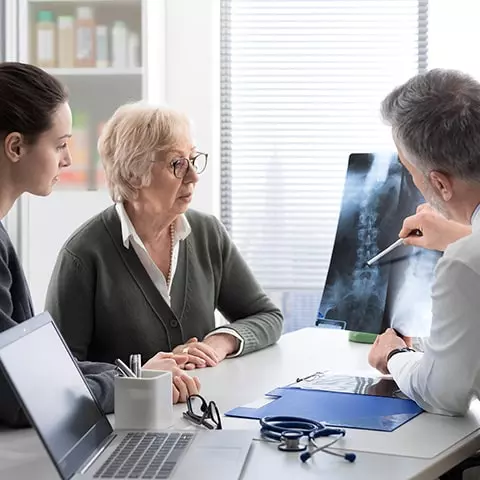
Osteoporosis is often described as a “silent disease.” Bone density gradually decreases over time, usually without noticeable symptoms. Many seniors only discover they have osteoporosis after experiencing a fracture. However, while the condition itself does not always cause pain in its early stages, its consequences can be painful and life-altering.
Understanding the relationship between osteoporosis and pain is essential for preventing complications, protecting mobility, and maintaining independence in later life.
What Is Osteoporosis?
Find YOUR ideal care home NOW!
Osteoporosis is a condition characterized by reduced bone density and structural deterioration of bone tissue. As bones become thinner and more fragile, they are more likely to fracture, even after minor stress or falls.
Bone loss accelerates after menopause in women and gradually increases in men with age. By the age of 70, bone fragility becomes a significant health concern for both sexes.
Although osteoporosis itself is often painless, fractures resulting from weakened bones are not.
How Osteoporosis Causes Pain
Pain linked to osteoporosis most commonly results from fractures. The spine, hips, and wrists are particularly vulnerable.
Vertebral compression fractures occur when weakened spinal bones collapse under normal pressure. These fractures may cause sudden or progressive back pain. In some cases, the pain develops gradually as multiple small fractures accumulate.
Hip fractures are another serious complication. They often occur after a fall and are associated with intense pain and significant mobility loss.
Chronic back pain may also develop due to spinal curvature changes caused by repeated vertebral fractures. This altered posture increases strain on muscles and ligaments, compounding discomfort.
Common Pain Patterns in Osteoporosis
| Type of Fracture | How It Occurs | Pain Characteristics |
|---|---|---|
| Vertebral compression fracture | Spinal bone collapse due to weakness | Sudden or chronic back pain, worsens with movement |
| Hip fracture | Fall or minor trauma | Severe pain, inability to bear weight |
| Wrist fracture | Fall onto outstretched hand | Localized swelling and sharp pain |
Warning Signs Seniors Should Not Ignore
Because osteoporosis progresses silently, fractures may occur without dramatic trauma. Sudden back pain after bending, lifting, or even coughing may indicate a compression fracture.
Height loss or developing a stooped posture can signal multiple spinal fractures over time. Persistent bone pain or repeated fractures after minor falls should prompt immediate evaluation.
Early diagnosis allows for intervention that reduces future fracture risk.
The Impact on Mobility and Independence
Pain resulting from osteoporotic fractures can significantly reduce mobility. Fear of falling often follows, leading to reduced activity levels. This inactivity accelerates muscle loss and further weakens bone strength.
Hip fractures are particularly serious in older adults, often requiring surgical intervention and rehabilitation. Recovery may be prolonged, and independence can be compromised.
Preventing fractures is therefore central to maintaining quality of life.
Long-Term Strategies to Reduce Osteoporosis-Related Pain
Managing osteoporosis focuses on strengthening bones and preventing fractures.
Adequate calcium and vitamin D intake support bone density. Weight-bearing exercises stimulate bone remodeling and improve balance. Strength training enhances muscle support around vulnerable joints.
Medical treatments may include medications that slow bone loss or stimulate bone formation. Regular bone density screening helps monitor progression and guide therapy.
Fall prevention strategies are equally important. Improving home safety, maintaining proper footwear, and addressing vision or balance issues reduces injury risk.
Pain management for fractures may involve medication, physical therapy, or supportive devices to protect healing bones.
FAQ – Osteoporosis and Pain in Seniors
Does osteoporosis cause pain before a fracture?
Osteoporosis itself usually does not cause pain. Pain typically occurs after a fracture develops.
What is the most common painful complication of osteoporosis?
Vertebral compression fractures are the most common source of osteoporosis-related pain.
How can seniors reduce fracture risk?
Maintaining bone density through nutrition, exercise, medication when prescribed, and fall prevention measures significantly reduces fracture risk.
When should sudden back pain be evaluated?
Sudden back pain following minor movement or strain should be evaluated promptly, as it may indicate a compression fracture.
Can osteoporosis-related pain become chronic?
Yes. Multiple spinal fractures can lead to chronic back pain and postural changes.
Is bone density testing important after 65?
Yes. Bone density testing helps identify osteoporosis early and allows for preventive treatment.
Need help finding a care home?
Senior Home Plus offers free personalized guidance to help you find a care facility that suits your health needs, budget, and preferred location in the UK.
Call us at 0203 608 0055 to get expert assistance today.
You are looking for a care home or nursing home for your loved one ?
Get our support
Share this article :
Latest posts










You are looking for an establishment for your loved one ?
Get availability & prices
Fill in this form and receive
all the essential information
We would like to inform you of the existence of the opposition list for telephone canvassing.
