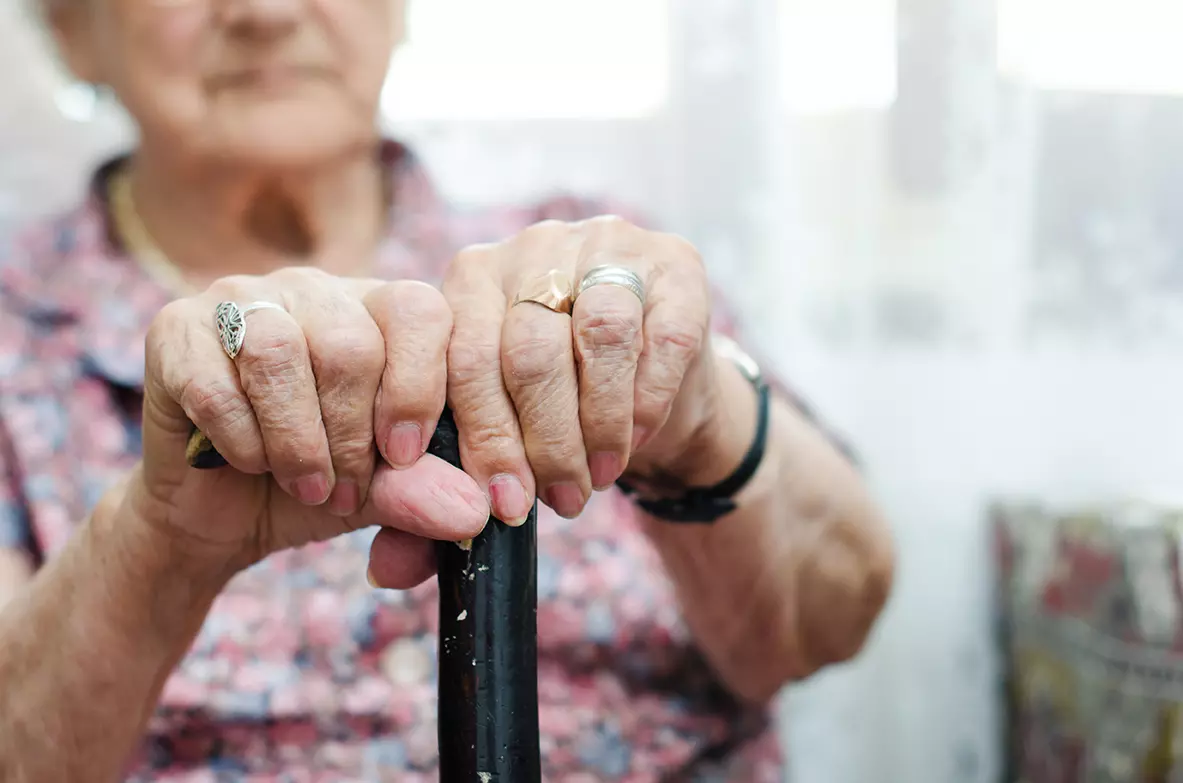
Concussions in seniors are often misunderstood and frequently underestimated. Unlike in younger adults, where symptoms tend to appear quickly and clearly, concussions in older adults can unfold slowly, sometimes days after the initial impact. This delayed presentation is one of the main reasons these injuries go unnoticed until complications arise.
Understanding why symptoms appear later, what signs to watch for, and when to act is essential to protecting cognitive function, mobility, and long-term independence.
Why concussion symptoms are delayed in older adults
Find YOUR ideal care home NOW!
Ageing changes how the brain responds to trauma. As the brain naturally loses volume over time, it has more room to move within the skull during an impact. While this may reduce immediate pressure, it increases the risk of delayed bleeding or swelling that develops gradually rather than instantly.
In addition, the brain’s ability to recover and regulate inflammation slows with age. What begins as a mild disruption may evolve into noticeable symptoms hours or days later, long after the initial incident has been forgotten or minimised.
When symptoms blend into everyday life
One of the greatest challenges in identifying concussions in seniors is that symptoms often resemble common age-related issues. Fatigue, mild confusion, headaches, or balance problems may already exist to some degree. When these symptoms worsen subtly, they are often attributed to poor sleep, stress, or normal ageing rather than a brain injury.
Behavioural and emotional changes are particularly easy to miss. Irritability, withdrawal, apathy, or changes in routine may not immediately raise alarm, yet they can be key indicators of a delayed concussion.
The influence of medication and health conditions
Medications commonly prescribed to older adults can further mask or complicate concussion symptoms. Blood thinners increase the risk of delayed bleeding, while painkillers and sedatives may reduce the visibility of headaches or confusion.
Chronic conditions such as low blood pressure, diabetes, or neurological disorders can also obscure the picture, making it harder to distinguish concussion symptoms from existing health issues.
Delayed Concussion Symptoms in Seniors
| Symptom | Why It Appears Later | Why It’s Often Missed |
|---|---|---|
| Persistent headache | Gradual brain inflammation | Seen as tension or fatigue |
| Increased confusion | Slow neurological disruption | Mistaken for memory decline |
| Balance problems | Delayed impact on coordination | Attributed to ageing |
| Mood or behaviour changes | Subtle brain function changes | Viewed as emotional fluctuation |
| Sleep disturbances | Disruption of brain regulation | Considered normal sleep issues |
Why “feeling fine at first” can be misleading
Many seniors appear stable immediately after a fall or head impact. There may be no loss of consciousness, no visible injury, and no immediate pain. This apparent normality often leads to reassurance and a decision to “wait and see.”
However, delayed symptoms are a hallmark of concussions in older adults. When signs finally become noticeable, the injury may already be affecting daily functioning, making recovery more complex.
Long-term consequences of delayed diagnosis
When concussions are not identified early, recovery can take significantly longer. Seniors may experience prolonged cognitive difficulties, reduced mobility, or increased fall risk. In some cases, what looks like sudden cognitive decline is actually the cumulative effect of an untreated concussion.
Repeated minor head injuries further increase vulnerability, as the brain becomes less resilient with each incident.
FAQ – Concussions in Seniors
Can concussion symptoms really appear days later?
Yes. In seniors, symptoms often develop gradually due to delayed bleeding or slower brain recovery.
Is loss of consciousness required for a concussion?
No. Most concussions in older adults occur without loss of consciousness.
Are mood changes a sign of concussion?
Yes. Irritability, withdrawal, or unusual behaviour can be early or delayed symptoms.
Do blood thinners increase concussion risk?
Yes. They significantly raise the risk of delayed bleeding after head trauma.
Should medical advice be sought after a minor head impact?
Yes. Any head impact in an older adult should be taken seriously, even if symptoms seem mild or absent at first.
Summary
This article explains why concussion symptoms are often delayed in older adults due to age-related changes in brain structure and function. As the brain shrinks with age, it can move more within the skull during impact, increasing the risk of delayed bleeding or swelling rather than immediate symptoms. Slower recovery and reduced regulation of inflammation mean that signs of injury may develop hours or days after the initial trauma.
Key Takeaways
- Concussion symptoms in older adults often appear hours or days after the initial head injury.
- Age-related brain shrinkage allows more movement inside the skull, increasing delayed injury risk.
- Slower brain recovery and inflammation regulation contribute to delayed symptom onset.
- Early signs such as fatigue, confusion, or balance issues are often mistaken for normal ageing.
- Mood and behavioural changes can be subtle but important indicators of concussion.
- Medications like blood thinners and sedatives can mask or worsen symptoms.
- Chronic health conditions make diagnosis more difficult by overlapping with concussion symptoms.
- Any head impact in older adults should be medically assessed, even if initial symptoms seem mild.
Need help finding a care home?
Senior Home Plus offers free personalized guidance to help you find a care facility that suits your health needs, budget, and preferred location in the UK.
Call us at 0203 608 0055 to get expert assistance today.
You are looking for a care home or nursing home for your loved one ?
Get our support
Share this article :
Latest posts










You are looking for an establishment for your loved one ?
Get availability & prices
Fill in this form and receive
all the essential information
We would like to inform you of the existence of the opposition list for telephone canvassing.
