Night-time falls are among the most concerning incidents affecting older adults. They are often more severe, more disorienting, and more likely to result in serious injury than falls occurring during the day. Beyond the physical harm, falls at night frequently signal deeper issues related to mobility, health, and overall safety.
Understanding why these falls happen, how to reduce the risk, and which warning signs should never be ignored is essential to protecting long-term independence and well-being.
Why night-time increases fall risk
Find YOUR ideal care home NOW!
The night environment introduces multiple challenges at once. Reduced lighting affects depth perception and the ability to identify obstacles. Shadows, glare, or sudden changes in brightness can confuse visual cues, especially for older adults whose vision adapts more slowly to darkness.
Sleep-related factors also play a role. Grogginess upon waking, especially during deep sleep phases, can impair coordination and reaction time. When an older adult gets up quickly, often due to urgency to use the bathroom, the body may not adjust fast enough, leading to dizziness or loss of balance.
The role of fatigue and medication
Fatigue is a powerful but underestimated contributor to night-time falls. Muscles respond more slowly when tired, and postural control weakens as the body seeks rest. This makes simple movements, such as standing up or turning, significantly riskier at night.
Medications further increase vulnerability. Treatments for sleep, pain, blood pressure, or anxiety may cause drowsiness, confusion, or sudden drops in blood pressure when standing. At night, these effects are amplified, particularly when multiple medications are involved.
Familiar spaces, hidden dangers
Most night-time falls occur in familiar indoor spaces. Bedrooms, hallways, and bathrooms are the most common locations. Because these environments feel safe, older adults may move without full awareness, relying on memory rather than visual confirmation.
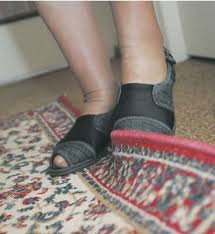
Clutter, loose rugs, uneven flooring, or poorly placed furniture become harder to detect in low light. Even minor obstacles can lead to serious falls when balance is already compromised.
Common Causes of Night-Time Falls in Older Adults
| Cause | Why It Increases Risk at Night | Potential Consequences |
|---|---|---|
| Poor lighting | Reduced visibility and depth perception | Trips and missteps |
| Sleep inertia | Temporary confusion and slowed reactions | Loss of balance when standing |
| Medication effects | Dizziness or low blood pressure | Sudden falls without warning |
| Urgency to use the bathroom | Rushed movements in low light | Falls during transitions |
| Environmental obstacles | Harder to detect at night | Serious injuries from tripping |
Prevention starts with understanding night-time behaviour
Preventing falls at night requires more than adding light sources. It begins with understanding how older adults move when they wake up. Many attempt to stand quickly, skip using available support, or navigate without fully opening their eyes to avoid waking others.
Encouraging slower transitions, from lying to sitting, then standing, can significantly reduce dizziness and instability. Clear, unobstructed pathways and consistent furniture placement also reduce the cognitive load required to move safely at night.
Red flags that should never be ignored
Night-time falls are often dismissed as accidents, but they frequently signal underlying issues. Repeated night-time instability, near-falls, or hesitation before getting out of bed indicate declining balance or confidence. Confusion after a fall, unexplained bruises, or reluctance to move at night are particularly concerning signs.
A single night-time fall can quickly lead to fear, reduced mobility, and avoidance of necessary movements, increasing the risk of future incidents.
FAQ – Falls at Night in the Elderly
Why are falls more common at night in older adults?
Reduced lighting, sleep-related grogginess, fatigue, and medication effects all combine to increase instability at night.
Is getting up quickly a major risk factor?
Yes. Standing up too fast can cause dizziness and sudden drops in blood pressure, leading to falls.
Are night-time bathroom trips especially dangerous?
Yes. Urgency, low light, and tired muscles make bathroom trips one of the highest-risk moments for night-time falls.
Should a single night-time fall be taken seriously?
Absolutely. Even one fall can indicate declining balance or underlying health issues that require attention.
Can fear of falling at night increase future risk?
Yes. Fear often leads to reduced movement and poorer balance, increasing the likelihood of further falls.
Need help finding a care home?
Senior Home Plus offers free personalized guidance to help you find a care facility that suits your health needs, budget, and preferred location in the UK.
Call us at 0203 608 0055 to get expert assistance today.
You are looking for a care home or nursing home for your loved one ?
Get our support
Share this article :
Latest posts










You are looking for an establishment for your loved one ?
Get availability & prices
Fill in this form and receive
all the essential information
We would like to inform you of the existence of the opposition list for telephone canvassing.
