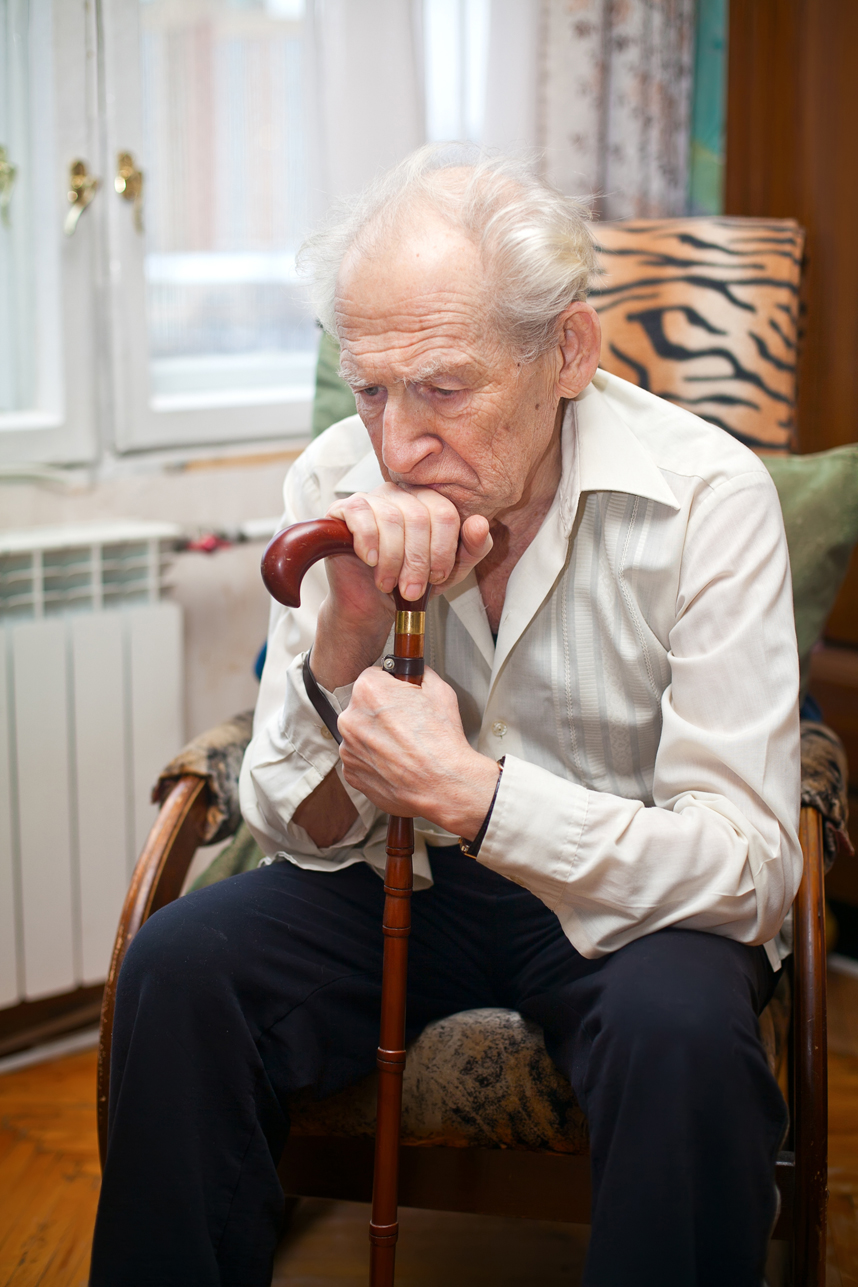
In later life, injuries are often explained away as bad luck or isolated incidents. A fall here, a bruise there, a minor strain that “just happened.” Yet when injuries become frequent, they are rarely random. Repeated injuries in seniors are one of the clearest indicators that safety margins are shrinking. Understanding why frequent injuries signal declining safety is essential to preventing a serious incident that could permanently alter independence and quality of life.
When injuries stop being isolated events
Find YOUR ideal care home NOW!
A single injury can happen to anyone. Multiple injuries over a short period tell a different story. Frequent falls, recurring bruises, repeated strains, or ongoing minor accidents usually reflect underlying changes in balance, strength, coordination, or awareness.
These changes often develop gradually. Because each injury seems minor on its own, the pattern may go unnoticed. Over time, however, the accumulation of incidents points to a growing mismatch between the senior’s abilities and their environment.
Declining safety margins in everyday life
Safety in daily life depends on margins of error. The ability to recover balance, react quickly, or absorb impact protects against injury. With age, these margins narrow.
When strength declines, reaction time slows, or vision changes, everyday situations become less forgiving. A missed step that once caused no harm may now lead to injury. Frequent injuries signal that the body no longer has enough reserve to compensate for small mistakes.
Why seniors often minimise repeated injuries
Many older adults downplay frequent injuries. They may view them as embarrassing, inevitable, or not worth mentioning. Others fear that acknowledging repeated injuries could lead to unwanted changes in their living situation or independence.
This reluctance to speak up allows risks to persist. Families and caregivers may only become aware of the issue after a serious injury occurs often one that could have been prevented if earlier patterns had been recognised.
What Frequent Injuries Reveal About Safety
| Repeated Injury | What It Often Indicates | Safety Implication |
|---|---|---|
| Multiple falls or near-falls | Balance and mobility decline | High risk of serious injury |
| Recurring bruises | Reduced spatial awareness | Environmental hazards |
| Frequent muscle strains | Loss of strength or flexibility | Reduced physical resilience |
| Repeated cuts or burns | Slower reactions or coordination | Increased domestic risk |
| Delayed recovery from injuries | Lower healing capacity | Cumulative vulnerability |
The cumulative effect of “minor” injuries
Frequent minor injuries have a cumulative impact. Pain lingers, confidence erodes, and movement becomes more cautious. Seniors may begin to avoid activities that once felt routine, reducing physical activity and accelerating decline.
Each injury also increases the likelihood of the next. Reduced movement leads to weakness and stiffness, making future injuries more likely and more severe. What appears to be a series of small incidents is often a downward spiral.
Frequent injuries as an early warning system
Rather than viewing repeated injuries as isolated problems, they should be seen as an early warning system. They indicate that current conditions—physical, environmental, or both are no longer sufficiently safe.
Addressing these warning signs early allows time to adapt routines, reassess risk, and prevent a major injury. Waiting until a serious fall or fracture occurs often means decisions are made under pressure rather than proactively.
FAQ – Frequent Injuries and Senior Safety
Are frequent injuries normal in older adults?
No. While occasional injuries can happen, frequent injuries usually signal declining safety.
Do minor injuries really matter?
Yes. Repeated minor injuries often precede serious incidents and should not be ignored.
Why do seniors hide or minimise injuries?
Fear of losing independence or being a burden often leads seniors to downplay injuries.
Can frequent injuries increase fear and withdrawal?
Yes. They often lead to reduced confidence, activity avoidance, and social withdrawal.
When should frequent injuries raise concern?
When injuries occur repeatedly or recovery becomes slower, safety should be reassessed promptly.
Summary
This article explains that when injuries become frequent rather than isolated events, they often indicate underlying declines in strength, balance, coordination, and environmental safety in older adults. Repeated incidents such as falls, bruises, strains, or minor accidents suggest that everyday safety margins are narrowing, meaning the body is less able to recover from small losses of balance or coordination. Because each injury may seem minor on its own, the overall pattern can be easily overlooked, allowing risk to accumulate over time.
Key Takeaways
- Frequent injuries often indicate declining balance, strength, or coordination in older adults.
- Narrowing safety margins make everyday movements less forgiving and more risky.
- Repeated minor incidents should be treated as a pattern, not isolated accidents.
- Many seniors minimise or hide injuries due to fear of losing independence.
- Frequent injuries can signal environmental hazards that need reassessment.
- Each injury can increase fear, reduce confidence, and lead to activity avoidance.
- Reduced activity after injuries can accelerate weakness and further increase risk.
- Early recognition of repeated injuries allows for proactive prevention before serious harm occurs.
Need help finding a care home?
Senior Home Plus offers free personalized guidance to help you find a care facility that suits your health needs, budget, and preferred location in the UK.
Call us at 0203 608 0055 to get expert assistance today.
You are looking for a care home or nursing home for your loved one ?
Get our support
Share this article :
Latest posts










You are looking for an establishment for your loved one ?
Get availability & prices
Fill in this form and receive
all the essential information
We would like to inform you of the existence of the opposition list for telephone canvassing.
