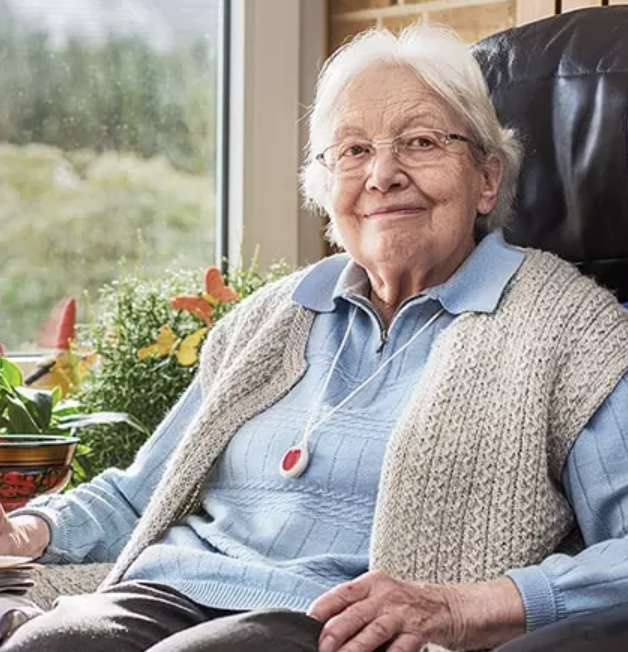
In today’s UK society, it is increasingly common for adult children to live far from their ageing parents. Work, housing costs and international mobility often mean families are spread across cities or even countries. While distance does not reduce emotional connection, it can significantly complicate later life care planning.
Care planning when children live far away requires anticipation, clarity and structure. Without preparation, distance can turn manageable situations into stressful emergencies.
Why Distance Changes Care Planning
When children live nearby, informal support may develop gradually. When they live far away, care decisions tend to happen suddenly and under pressure, often following a health incident.
Distance limits day-to-day observation. Changes in mobility, memory or wellbeing may go unnoticed until they become serious, reducing the time available for calm planning.
The Emotional Impact on Both Sides
Parents may avoid discussing future care to avoid worrying their children. Children, meanwhile, may feel guilt or anxiety about not being physically present.
Without clear planning, both sides may silently assume responsibility that has never been discussed, leading to misunderstandings and emotional strain.
Why Early Planning Is Essential When Family Is Distant
Find YOUR ideal care home NOW!
When children live far away, early care planning is not optional it is essential. Planning ahead provides reassurance that support structures are in place, regardless of geography.
It also ensures that decisions are guided by personal wishes rather than logistical limitations imposed by distance.
Key Challenges When Children Live Far Away
| Challenge | Why It Matters | Planning Benefit |
|---|---|---|
| Limited observation | Changes may go unnoticed | Clear monitoring strategies |
| Emergency decisions | Distance delays responses | Pre-agreed action plans |
| Family stress | Guilt and pressure increase | Shared understanding |
| Unclear responsibilities | Assumptions replace clarity | Defined roles and limits |
Planning Without Relying on Proximity
Effective care planning does not assume that children will be physically present. Instead, it focuses on creating systems that function independently of family location.
This approach protects both parents and children from unrealistic expectations and last-minute pressure.
How to Involve Distant Children in Planning
Distance does not mean exclusion. In fact, involving children early—through structured conversations—can reduce anxiety on both sides.
Discussing preferences, boundaries and future scenarios openly ensures that children understand their role without feeling overwhelmed or responsible for everything.
Avoiding Crisis-Driven Decisions
When care planning is delayed, distance amplifies urgency. Children may need to travel suddenly, make decisions quickly or manage complex arrangements remotely.
Early planning removes urgency from decision-making and replaces it with clarity and preparedness.
Keeping Plans Flexible Over Time
Circumstances change. Health evolves. Family situations shift. Care plans should be reviewed regularly to ensure they remain relevant and realistic.
Flexibility reassures children that plans can adapt without requiring constant physical presence.
Why Planning Reduces Guilt and Anxiety
When children live far away, guilt is often unavoidable. Clear care planning transforms guilt into reassurance, because everyone knows that systems are in place to respond if needs change.
This emotional relief is one of the most valuable outcomes of early planning.
FAQ: Care Planning When Children Live Far Away
Is care planning more urgent when children live far away?
Yes. Distance increases the importance of early and structured planning.
Should children be involved even if they live abroad?
Yes. Involvement creates clarity and shared understanding, regardless of location.
Can care plans work without daily family support?
Yes. Planning focuses on systems, not proximity.
How often should care plans be reviewed?
Plans should be reviewed regularly or when circumstances change.
Does early planning reduce family stress?
Yes. It replaces uncertainty with reassurance and preparedness.
Care planning when children live far away is about realism, respect and responsibility. Distance does not prevent strong family involvement—but it does require thoughtful preparation.
Early planning ensures that care decisions are guided by values and clarity, not urgency or guilt.
Need help finding a care home?
Senior Home Plus offers free personalized guidance to help you find a care facility that suits your health needs, budget, and preferred location in the UK.
Call us at 0203 608 0055 to get expert assistance today.
You are looking for a care home or nursing home for your loved one ?
Get our support
Share this article :
Latest posts










You are looking for an establishment for your loved one ?
Get availability & prices
Fill in this form and receive
all the essential information
We would like to inform you of the existence of the opposition list for telephone canvassing.
