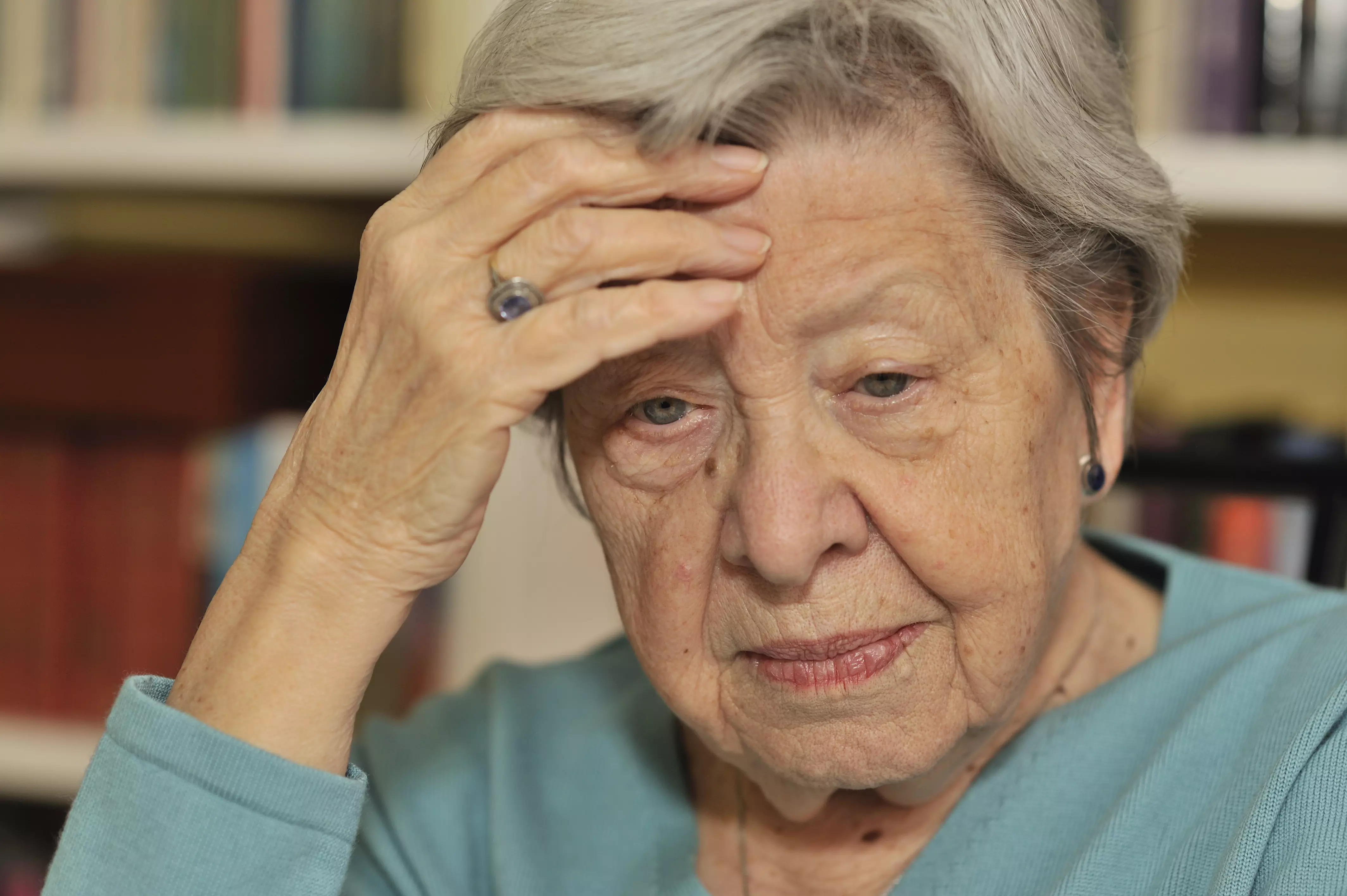
Digital healthcare has expanded rapidly across the UK, and mental health services are no exception. Online therapy, once considered a niche option, is now widely available through NHS pathways and private providers. For many families, an important question arises: is online therapy safe and helpful for seniors?
Older adults may face mobility limitations, chronic illness or social isolation that make in-person appointments challenging. Virtual therapy offers convenience and accessibility. Yet concerns about technology, privacy and effectiveness remain.
Understanding how online therapy works for seniors helps families decide whether it is a suitable and safe option.
How Online Therapy Works for Older Adults
Find YOUR ideal care home NOW!
Online therapy typically involves video consultations with a qualified therapist, psychologist or counsellor. Sessions are conducted via secure digital platforms accessible by computer, tablet or smartphone.
In England, NHS Talking Therapies services often offer remote appointments. Private practitioners also provide online cognitive behavioural therapy, counselling and specialist mental health interventions.
Sessions follow the same clinical framework as in-person therapy. The therapeutic relationship, structured conversations and evidence-based techniques remain central.
Is Online Therapy Effective for Seniors?
Research increasingly shows that online therapy can be as effective as face-to-face sessions for conditions such as depression and anxiety. For seniors, the effectiveness often depends on cognitive ability, technological comfort and the severity of symptoms.
Older adults experiencing mild to moderate depression or anxiety often benefit significantly from remote therapy. It allows continuity of care without travel stress.
However, severe cognitive impairment, advanced dementia or acute mental health crises may require in-person or specialist intervention.
Professional assessment helps determine suitability.
Safety and Confidentiality Considerations
Security and privacy are common concerns. Reputable providers use encrypted platforms to protect confidentiality. NHS-approved systems adhere to strict data protection standards under UK regulations.
Families should ensure that sessions are conducted in a private space at home to maintain confidentiality. Clear communication about technology use and consent is essential.
Digital literacy can also influence safety. Seniors unfamiliar with technology may require assistance to avoid scams or technical difficulties.
Benefits and Limitations of Online Therapy for Seniors
The following table outlines key advantages and potential challenges.
| Aspect | Benefits | Considerations |
|---|---|---|
| Accessibility | No travel required | Requires internet access |
| Comfort | Familiar home environment | Potential distractions |
| Effectiveness | Comparable to in-person for mild to moderate conditions | Less suitable for severe crisis situations |
| Privacy | Encrypted platforms protect data | Requires secure device use |
Careful preparation increases the likelihood of success.
When Online Therapy Is Most Suitable
Online therapy is particularly helpful for seniors who have mobility limitations, live in rural areas or experience mild to moderate depression or anxiety.
It can also support individuals adjusting to life changes such as bereavement or relocation. For older adults who feel anxious about leaving home, virtual sessions may reduce initial barriers to engagement.
However, if a senior is experiencing suicidal ideation, severe psychosis or significant cognitive impairment, urgent in-person assessment is necessary.
Supporting Seniors in Digital Engagement
Families can assist by helping set up devices, ensuring stable internet connections and providing initial guidance. Encouraging practice sessions before formal therapy appointments can reduce anxiety about technology.
It is important to empower rather than overtake the process. Many seniors adapt quickly when given structured support.
Digital inclusion is increasingly becoming part of comprehensive mental health care in the UK.
FAQ: Online Therapy for Seniors
Is online therapy safe for older adults?
Yes. When delivered through secure, encrypted platforms, online therapy is safe and confidential.
Is it as effective as face-to-face therapy?
For mild to moderate depression and anxiety, online therapy is generally comparable to in-person treatment.
Can seniors access online therapy through the NHS?
Yes. NHS Talking Therapies services often offer remote appointments via GP referral or self-referral.
What if a senior struggles with technology?
Family support or introductory digital guidance can help ease the transition.
When is online therapy not appropriate?
In cases of severe crisis, suicidal ideation or advanced cognitive impairment, in-person intervention is recommended.
Need help finding a care home?
Senior Home Plus offers free personalized guidance to help you find a care facility that suits your health needs, budget, and preferred location in the UK.
Call us at 0203 608 0055 to get expert assistance today.
You are looking for a care home or nursing home for your loved one ?
Share this article :
Latest posts










You are looking for an establishment for your loved one ?
Get availability & prices
Fill in this form and receive
all the essential information
We would like to inform you of the existence of the opposition list for telephone canvassing.
