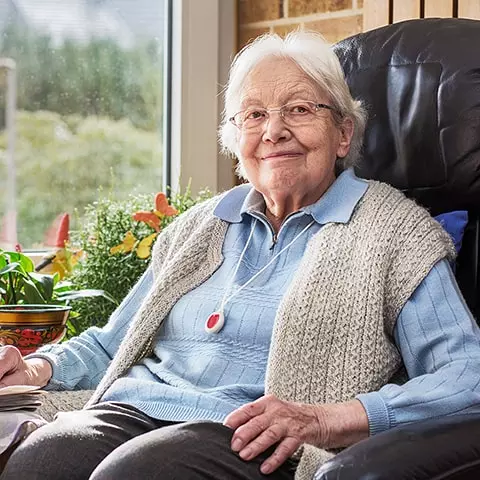
Independence is deeply woven into personal identity. It reflects autonomy, dignity and control over daily life. When independence begins to shift in later life, the emotional consequences can be profound.
Across the UK, many older adults face gradual changes due to mobility decline, chronic illness, cognitive impairment or safety concerns. While practical adjustments may be necessary, the psychological impact of losing independence is often underestimated.
Understanding the emotional dimensions of this transition allows families to respond with empathy rather than urgency alone.
Why Independence Matters So Deeply
Find YOUR ideal care home NOW!
For decades, older adults have made decisions, managed households, supported families and shaped their own routines. Independence is not simply about physical ability; it is about identity.
When driving stops, when medication must be supervised, or when assistance is required for daily tasks, many seniors experience this as a loss of self rather than a practical change.
The shift can trigger feelings of vulnerability, frustration and even shame. Emotional distress is rarely about the task itself. It is about what that task symbolised.
Common Emotional Reactions
Losing independence does not produce a single emotional response. Reactions vary depending on personality, coping style and support network.
Some seniors experience sadness and grief. Others respond with anger or irritability. Withdrawal and silence are also common, particularly in individuals who struggle to express emotional pain.
Anxiety frequently emerges. Concerns about becoming a burden or losing further control can intensify stress. In some cases, prolonged adjustment difficulties may develop into clinical depression.
Recognising these reactions as part of a psychological adjustment process is essential.
Behavioural Signs of Emotional Distress
Families often notice subtle behavioural changes before emotions are verbalised. The following table outlines common indicators that emotional support may be needed.
| Observed Change | Possible Emotional Meaning | Suggested Response |
|---|---|---|
| Increased irritability | Frustration with loss of control | Open, non-confrontational dialogue |
| Social withdrawal | Embarrassment or sadness | Encourage gradual social engagement |
| Refusal of help | Fear of dependency | Reframe support as collaboration |
| Persistent low mood | Possible depression | GP or mental health referral |
If emotional changes persist beyond several weeks, professional assessment may be necessary.
The Risk of Depression and Anxiety
The emotional impact of losing independence can escalate if not acknowledged. Research in England shows that older adults experiencing functional decline are at increased risk of depression.
Anxiety may centre around future deterioration or fear of institutionalisation. Sleep disturbance and appetite changes often follow.
Importantly, emotional distress can worsen physical health outcomes, creating a cycle of decline. Early emotional support reduces this risk.
Preserving Dignity Through Shared Decision-Making
One of the most effective ways to protect emotional wellbeing is through shared decision-making. Involving seniors in discussions about support needs reinforces autonomy.
Even when assistance is required, maintaining choice in daily routines, clothing, meal preferences and activities helps preserve identity.
Language also matters. Framing support as partnership rather than replacement reduces defensiveness.
When Structured Support Becomes Necessary
In some cases, safety concerns or advanced health conditions make additional structured support unavoidable. Transitioning into more supervised living arrangements can intensify feelings of loss.
Preparation and gradual adjustment help reduce emotional shock. Transparent communication and reassurance about continuity of relationships are critical during this period.
Professional guidance ensures that changes are made with both emotional and physical wellbeing in mind.
FAQ: The Emotional Impact of Losing Independence in Later Life
Is it normal for seniors to feel depressed after losing independence?
Yes. Grief and sadness are common emotional responses. However, persistent low mood lasting more than a few weeks may require professional assessment.
Why do some older adults refuse help?
Refusal often reflects fear of losing autonomy rather than rejection of support itself.
How can families support emotional wellbeing?
Involving seniors in decision-making, maintaining routine and encouraging social engagement can protect psychological health.
When should professional help be sought?
If withdrawal, irritability or low mood significantly interfere with daily life, a GP consultation is advisable.
Does losing independence always lead to depression?
No. With appropriate support and gradual adjustment, many older adults adapt successfully.
Need help finding a care home?
Senior Home Plus offers free personalized guidance to help you find a care facility that suits your health needs, budget, and preferred location in the UK.
Call us at 0203 608 0055 to get expert assistance today.
You are looking for a care home or nursing home for your loved one ?
Get our support
Share this article :
Latest posts










You are looking for an establishment for your loved one ?
Get availability & prices
Fill in this form and receive
all the essential information
We would like to inform you of the existence of the opposition list for telephone canvassing.
