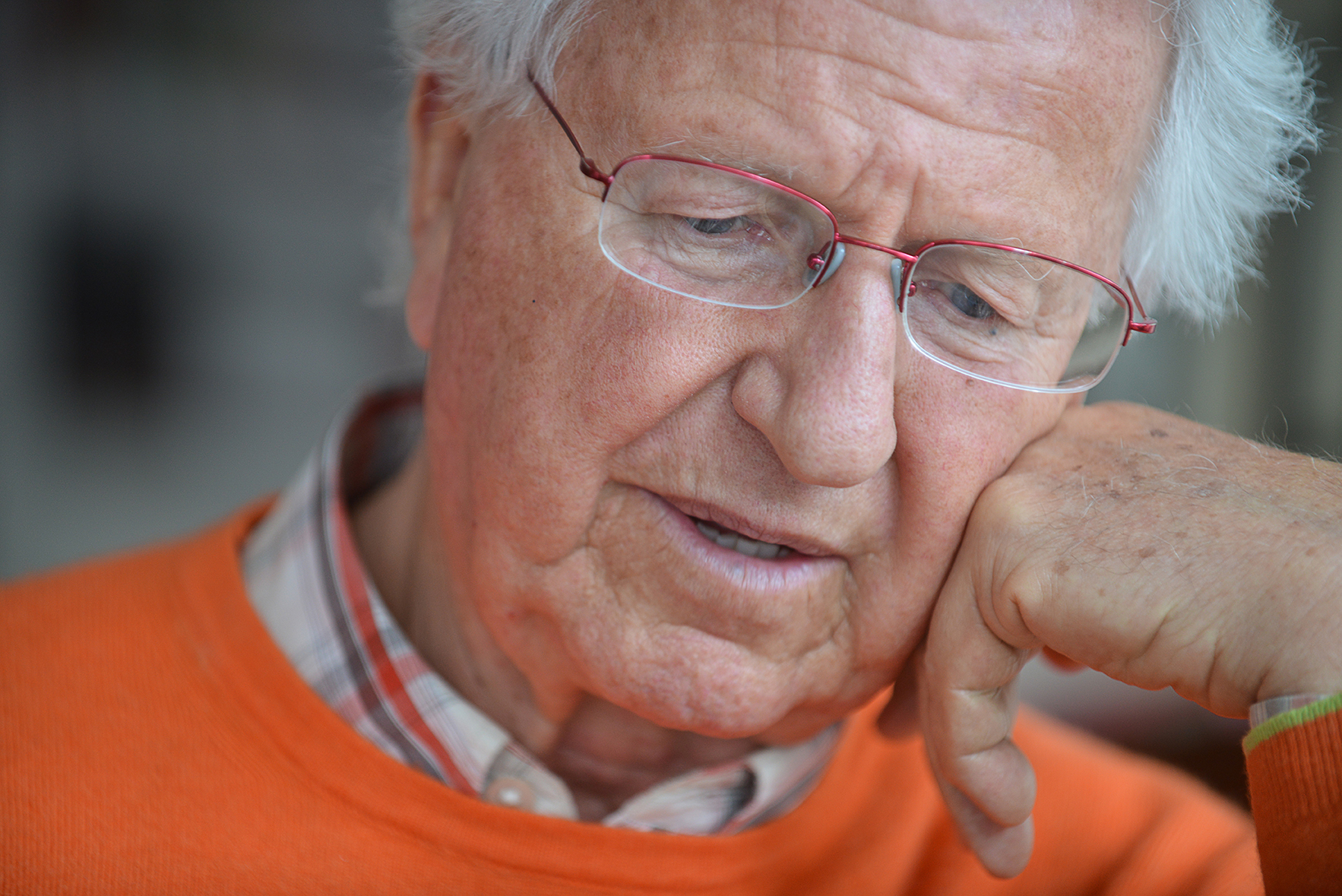
When an older adult moves into a nursing home, families often assume that all healthcare needs automatically become the facility’s responsibility. In reality, dental care sits in a more complex space.
Oral health is considered an essential part of overall care, yet responsibility is shared between the resident, the care home and external dental services. Confusion often arises when problems develop, especially if gum disease, infections or poorly maintained dentures are discovered months after admission.
Understanding who is responsible, and in what capacity, is crucial for protecting both health and dignity.
The Care Home’s Legal Duty
Find YOUR ideal care home NOW!
In the UK, care homes are regulated by the Care Quality Commission. Facilities must meet fundamental standards of safety, hygiene and person-centred care.
This includes maintaining residents’ daily oral hygiene. Staff are expected to support brushing, denture cleaning and mouth care when a resident cannot do so independently. Oral health should be included in the individual care plan, particularly for residents with dementia, limited mobility or swallowing difficulties.
Failure to provide basic oral hygiene assistance may constitute neglect under regulatory standards.
However, routine dental treatment itself is not automatically provided on-site by the nursing home.
Access to Dental Treatment
Dental treatment in England is primarily delivered through the NHS or private dentists. Nursing homes do not directly employ dentists in most cases.
The responsibility for arranging dental appointments often depends on the resident’s capacity. If the resident can make decisions and arrange appointments, they remain responsible for doing so. If they lack capacity, the responsibility typically falls to a family member, legal guardian or designated representative.
Care homes are expected to facilitate access to dental services. This includes arranging transport, coordinating visits or organising mobile dental services when necessary.
In other words, the home must enable access but it does not replace the dental provider.
Daily Oral Hygiene Support
While dentists provide treatment, the care home is responsible for day-to-day oral care. This includes ensuring dentures are removed at night, cleaned properly and stored safely. Staff should monitor for signs of sores, infection or difficulty chewing.
Oral assessments are often conducted upon admission to identify existing issues. Ongoing monitoring should form part of routine care.
If a resident develops oral thrush, gum bleeding or persistent bad breath and staff fail to respond, questions about quality of care may arise.
When Responsibility Becomes Unclear
Responsibility becomes blurred when residents lack family involvement. In such cases, care homes are still obligated to ensure that urgent dental needs are addressed.
If a resident develops facial swelling, abscess symptoms or significant pain, the care home must seek prompt medical or dental assistance. Delays in addressing infection may raise safeguarding concerns. Communication between the home, the resident’s GP and dental providers is essential.
Responsibility for Dental Care in a UK Nursing Home
| Aspect of Care | Who Is Responsible? | Details |
|---|---|---|
| Daily brushing and denture care | Nursing home staff | Must provide assistance if resident cannot self-manage |
| Routine dental check-ups | Resident or family (with home support) | Home facilitates access and appointments |
| Emergency dental issues | Nursing home (urgent action) | Must arrange prompt assessment |
| Payment for treatment | Resident (unless NHS exemption applies) | Based on benefit status |
| Monitoring oral health changes | Nursing home staff | Part of ongoing care plan |
What Families Should Monitor
Families should ensure that oral hygiene is documented in the care plan. Observing whether dentures are clean, whether gums appear healthy and whether the resident complains of chewing discomfort can provide insight into standards of care.
If unexplained weight loss, bad breath or oral soreness develops, it may indicate insufficient monitoring.
Dental care is closely linked to nutrition, comfort and overall wellbeing. It should never be treated as secondary.
Does NHS Funding Cover Dental Care in Nursing Homes?
Living in a nursing home does not automatically make dental treatment free. Eligibility for free NHS dental care depends on benefit status rather than residency.
Families should verify whether the resident qualifies for exemption or needs to apply through the NHS Low Income Scheme.
FAQ – Dental Care Responsibility in Nursing Homes
Are nursing homes legally responsible for dental care?
They are responsible for daily oral hygiene support and for facilitating access to treatment, but not for directly providing dental services.
Who pays for dental treatment in a care home?
The resident is responsible for charges unless they qualify for NHS exemptions.
What if a resident cannot arrange appointments?
If the resident lacks capacity, a family member or appointed representative usually coordinates care, with support from the home.
Can poor oral hygiene in a care home be considered neglect?
Yes. Failure to provide necessary daily oral care may breach regulatory standards.
How often should residents receive dental assessments?
Regular check-ups are recommended, typically at least once or twice per year depending on risk factors.
Need help finding a care home?
Senior Home Plus offers free personalized guidance to help you find a care facility that suits your health needs, budget, and preferred location in the UK.
Call us at 0203 608 0055 to get expert assistance today.
You are looking for a care home or nursing home for your loved one ?
Get our support
Share this article :
Latest posts










You are looking for an establishment for your loved one ?
Get availability & prices
Fill in this form and receive
all the essential information
We would like to inform you of the existence of the opposition list for telephone canvassing.
