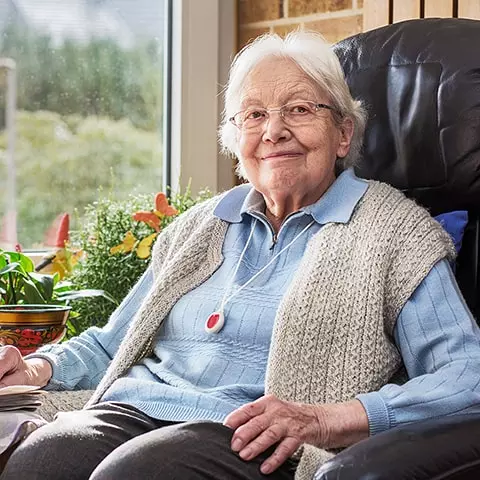
Driving plays a crucial role in maintaining independence for many older adults in the United Kingdom. For millions of seniors, being able to drive means retaining the freedom to visit family and friends, attend medical appointments, go shopping, and participate in community activities.
This guide explains how driving licences work for seniors, what medical conditions may affect driving, and how families can support older relatives in making safe transportation choices.
Driving in Later Life: Why It Matters for Independence
Find YOUR ideal care home NOW!
For many older adults, driving is more than just a means of transportation. It is closely linked to independence, social engagement, and quality of life.
Older drivers often rely on their vehicles to:
- attend healthcare appointments
- visit friends and family
- access shops and local services
- participate in social activities
- maintain community connections
Losing the ability to drive can therefore have emotional and practical consequences. For some seniors, it may lead to increased isolation or reduced access to essential services.
Because of this, discussions about elderly drivers and road safety must balance safety considerations with the importance of maintaining independence.
Driving Licence Renewal for Drivers Over 70 in the UK
In the UK, the rules for driving licences change once a driver reaches the age of 70.
Drivers are required to renew their licence when they turn 70 and then every three years afterwards.
The renewal process is generally straightforward and can usually be completed online or by post through the Driver and Vehicle Licensing Agency (DVLA).
Driving licence rules for older drivers
| Age Group | Licence Requirements | What Drivers Must Do |
|---|---|---|
| Under 70 | Standard driving licence | Licence valid for several years without renewal |
| At age 70 | Licence renewal required | Drivers must confirm they are medically fit to drive |
| Over 70 | Renewal every 3 years | Drivers must continue declaring medical fitness |
| Medical conditions | DVLA notification required | Drivers must report certain health conditions |
Unlike some other countries, the UK does not require routine driving tests solely based on age. Instead, the system relies largely on self-declaration of medical fitness.
Are Older Drivers More Dangerous on the Road?
The question of whether elderly drivers pose greater risks on the road is often debated.
Research suggests that most older drivers are cautious and responsible road users. Many seniors drive fewer miles than younger drivers and often avoid high-risk situations such as driving at night or during heavy traffic.
However, certain age-related factors may affect driving ability.
These include:
- slower reaction times
- reduced vision
- decreased mobility
- certain medical conditions
- medication side effects
These changes do not automatically make someone unsafe to drive, but they can increase risk in certain situations.
For this reason, regular health checks and honest self-assessment are important.
Medical Conditions That Can Affect Driving in Older Adults
Some health conditions can influence driving ability and must be reported to the DVLA.
Common medical conditions affecting elderly drivers include:
Vision problems
Good eyesight is essential for safe driving. Conditions such as cataracts, glaucoma, and macular degeneration may affect the ability to read road signs or judge distances.
Cognitive conditions
Neurological conditions such as dementia or Alzheimer’s disease may affect memory, concentration, and decision-making.
These conditions can significantly impact driving safety.
Heart conditions
Heart disease or certain cardiac events may temporarily or permanently affect driving eligibility, depending on medical advice.
Neurological disorders
Conditions such as Parkinson’s disease, stroke, or epilepsy may affect motor control or reaction times.
Drivers with these conditions may need medical clearance before continuing to drive.
DVLA Medical Reporting Requirements
Drivers in the UK are legally required to inform the DVLA if they develop certain medical conditions that could affect their driving ability.
Failure to report relevant medical conditions can result in fines and may invalidate insurance.
Examples of conditions that must often be reported include:
- dementia
- epilepsy
- visual impairments
- certain heart conditions
- neurological disorders
The DVLA may request medical assessments or advice from healthcare professionals before deciding whether a driver can continue driving safely.
Warning Signs That Driving Ability May Be Declining
Recognising early signs that driving ability may be changing is important for maintaining road safety.
Possible warning signs include:
- frequent minor accidents or near misses
- difficulty judging distances or speed
- confusion at junctions or roundabouts
- slower reaction times
- getting lost on familiar routes
Family members may sometimes notice these changes before the driver themselves.
If concerns arise, it may be helpful to discuss them openly and explore possible solutions such as refresher driving courses.
Driving Assessments and Refresher Courses for Seniors
Many organisations in the UK offer driving assessments or refresher courses specifically designed for older drivers.
These programmes help drivers review safe driving techniques and identify areas that may need improvement.
Benefits of refresher courses include:
- improving confidence behind the wheel
- updating knowledge of road rules
- identifying potential safety risks
- adjusting driving habits to changing abilities
These courses are often voluntary and designed to support drivers rather than restrict them.
Alternatives to Driving for Older Adults
If driving becomes difficult or unsafe, many alternative transport options are available.
These options can help older adults maintain independence without relying on a personal vehicle.
Possible alternatives include:
- public transport services
- community transport programmes
- taxi services
- ride-sharing services
- mobility transport assistance
Many local councils also offer transport support services specifically designed for older adults or people with mobility challenges.
The Role of Retirement Communities and Care Homes
Retirement housing and assisted living communities often provide transportation services for residents.
These services may include:
- organised shuttle buses
- transport to medical appointments
- group outings and social trips
For older adults who no longer wish to drive, these services can significantly improve mobility and reduce isolation.
Care homes also frequently organise transport for residents attending hospital appointments or community events.
Supporting Elderly Drivers: Advice for Families
Families sometimes face difficult conversations when an older relative’s driving ability declines.
Approaching the topic with empathy and respect is important.
Suggestions for families include:
- discussing safety concerns calmly
- encouraging medical check-ups
- suggesting refresher driving courses
- exploring alternative transport options
The goal should always be to protect safety while preserving dignity and independence.
Balancing Safety and Independence
The debate about elderly drivers and road safety will likely continue as the population ages.
While it is important to ensure road safety, it is equally important to recognise that many older drivers remain safe and capable.
Policies and discussions should therefore focus on individual ability rather than age alone.
Encouraging regular health checks, honest self-assessment, and supportive transportation options can help older adults remain mobile and connected to their communities.
FAQ – Driving Licence Over 70 in the UK
Do drivers over 70 have to retake their driving test in the UK?
No. Drivers over 70 must renew their licence every three years, but they are not required to take a new driving test unless requested by the DVLA.
How do you renew a driving licence at age 70?
Licence renewal can usually be completed online or by post through the DVLA. Drivers must confirm that they are medically fit to drive.
What medical conditions must be reported to the DVLA?
Conditions such as dementia, epilepsy, severe vision problems, and certain heart conditions must typically be reported.
Can someone with dementia continue driving?
It depends on the stage of the condition and medical advice. In many cases, the DVLA may restrict or revoke driving privileges if safety is affected.
Are there driving courses for older drivers?
Yes. Many organisations offer voluntary refresher courses designed to help older drivers maintain confidence and safety on the road.
Need help finding a care home?
Senior Home Plus offers free personalized guidance to help you find a care facility that suits your health needs, budget, and preferred location in the UK.
Call us at 0203 608 0055 to get expert assistance today.
You are looking for a care home or nursing home for your loved one ?
Get our support
Share this article :
Latest posts










You are looking for an establishment for your loved one ?
Get availability & prices
Fill in this form and receive
all the essential information
We would like to inform you of the existence of the opposition list for telephone canvassing.
