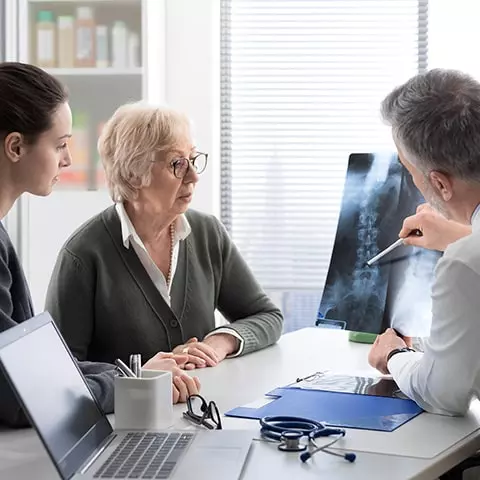
As people age, maintaining mobility and independence becomes one of the most important factors for quality of life. However, bone health problems such as osteoporosis can significantly increase the risk of serious injuries, particularly hip fractures.
This guide explains why hip fractures occur in elderly people, how osteoporosis affects bone strength, what recovery looks like after a hip fracture, and how seniors can reduce fracture risk.
What Is Osteoporosis?
Find YOUR ideal care home NOW!
Osteoporosis is a condition that causes bones to become weaker and more fragile. As bone density decreases, bones become more susceptible to fractures even from minor falls or everyday movements.
Bone tissue is constantly renewed throughout life. However, as people age, the body gradually loses bone mass faster than it can replace it. This process accelerates after the age of 50.
Osteoporosis is particularly common among older adults, especially women after menopause, but it can affect men as well.
Because osteoporosis often develops silently without symptoms, many people are unaware they have the condition until they experience a fracture.
Why Hip Fractures Are So Serious in Older Adults
A hip fracture is one of the most severe injuries an older adult can experience.
The hip joint plays a crucial role in mobility, balance, and independence. When this bone breaks, walking and everyday activities can become extremely difficult.
Hip fractures usually require surgical treatment followed by rehabilitation. Recovery may involve weeks or months of physiotherapy and support.
For some older adults, a hip fracture can mark the beginning of a long-term decline in mobility or independence.
In the UK, many elderly individuals who experience severe fractures eventually require additional care support or residential care services.
Why Fracture Risk Increases With Age
Several factors contribute to increased fracture risk among older adults.
Bone density naturally declines with age, making bones more fragile. At the same time, balance and muscle strength may decrease, increasing the risk of falls.
Vision problems, medication side effects, and chronic illnesses can further affect stability and coordination.
Because of these combined factors, even a minor fall can lead to serious injury in elderly individuals.
Common Causes of Hip Fractures in Seniors
Hip fractures typically occur after falls, but underlying bone weakness caused by osteoporosis plays a significant role.
| Risk Factor | How It Increases Fracture Risk | Examples |
|---|---|---|
| Osteoporosis | Reduced bone density weakens bones | Minor falls causing fractures |
| Falls | Loss of balance leads to impact injuries | Slipping in the bathroom or on stairs |
| Muscle weakness | Reduced stability and mobility | Difficulty walking or standing |
| Poor vision | Increased likelihood of tripping or falling | Unseen obstacles or poor lighting |
| Medication side effects | Dizziness or low blood pressure | Blood pressure or sedative medications |
Understanding these factors helps healthcare professionals develop strategies to reduce fracture risk.
Symptoms of Osteoporosis
Osteoporosis is often called a “silent disease” because it usually does not cause noticeable symptoms until a fracture occurs.
However, certain signs may indicate declining bone health.
Some individuals experience back pain due to vertebral fractures, while others notice a gradual loss of height or a stooped posture.
In many cases, osteoporosis is diagnosed through a bone density scan, which measures the strength of bones.
Regular screening is particularly important for individuals with risk factors such as family history, long-term steroid use, or early menopause.
Hip Fracture Recovery in Elderly Patients
Recovery from a hip fracture can be challenging, particularly for older adults.
Most patients require surgery to repair or replace the damaged bone. After surgery, rehabilitation begins as soon as possible to restore mobility and strength.
Physiotherapy plays a crucial role in helping patients regain independence.
Rehabilitation programmes often focus on improving balance, rebuilding muscle strength, and relearning everyday activities such as walking or climbing stairs.
Recovery timelines vary widely depending on the individual’s overall health and level of physical fitness prior to the fracture.
Long-Term Effects of Hip Fractures
While many older adults recover successfully, hip fractures can have lasting effects.
Some patients experience reduced mobility or require walking aids such as canes or walkers.
Others may need home modifications, including handrails or mobility equipment.
In certain cases, individuals may require ongoing support from family members, home care services, or residential care facilities.
Because of these potential outcomes, preventing fractures is one of the most important goals in elderly healthcare.
Preventing Osteoporosis and Bone Loss
Although ageing cannot be prevented, several lifestyle strategies can help maintain bone strength.
A diet rich in calcium and vitamin D supports healthy bone development and maintenance.
Regular physical activity, particularly weight-bearing exercises such as walking, can strengthen bones and improve balance.
Avoiding smoking and excessive alcohol consumption also contributes to better bone health.
Medical professionals may recommend medications that help slow bone loss or increase bone density in individuals diagnosed with osteoporosis.
These preventive measures can significantly reduce fracture risk.
Reducing Fall Risk in Older Adults
Since most hip fractures occur after falls, fall prevention is a key component of fracture prevention.
Simple changes in the home environment can make a significant difference.
Ensuring good lighting, removing loose rugs, and installing grab bars in bathrooms can help reduce hazards.
Regular exercise programmes designed for seniors can improve balance and muscle strength.
Vision tests and medication reviews are also important, as poor eyesight or medication side effects may increase fall risk.
Taking these steps can help older adults maintain independence and confidence in their daily activities.
The Role of Care Homes and Assisted Living
For some seniors, living environments designed for older adults can provide additional safety and support.
Retirement communities, assisted living residences, and care homes often include features such as accessible layouts, handrails, and emergency response systems.
Staff in these environments are trained to support residents with mobility challenges and monitor health conditions such as osteoporosis.
For individuals recovering from hip fractures, these environments can provide structured rehabilitation and assistance with daily activities.
Choosing the right living environment can therefore play an important role in maintaining quality of life after injury.
Why Bone Health Matters for Healthy Ageing
Maintaining strong bones is essential for preserving independence and mobility in later life.
Osteoporosis and fractures can significantly impact quality of life, but early prevention and awareness can reduce these risks.
Encouraging healthy lifestyles, regular medical check-ups, and fall prevention strategies can help protect bone health as people age.
Families, caregivers, and healthcare professionals all play an important role in supporting elderly individuals in maintaining mobility and independence.
Supporting Seniors After a Fracture
When a hip fracture occurs, emotional support is just as important as physical recovery.
Older adults may experience fear of falling again or anxiety about losing independence.
Family encouragement, rehabilitation support, and accessible living environments can help rebuild confidence.
Many seniors are able to regain mobility and return to active lifestyles after recovery.
With the right support, recovery can become an opportunity to improve overall health and safety.
FAQ – Osteoporosis and Hip Fractures in Elderly People
What causes hip fractures in elderly people?
Most hip fractures occur after falls, often combined with weakened bones caused by osteoporosis.
How long does hip fracture recovery take in older adults?
Recovery varies but typically involves surgery followed by several months of rehabilitation and physiotherapy.
Can osteoporosis be prevented?
While ageing affects bone density, lifestyle choices such as exercise, proper nutrition, and medical treatment can help prevent bone loss.
Why are hip fractures dangerous for seniors?
Hip fractures can reduce mobility, increase the risk of complications, and sometimes lead to long-term care needs.
How can seniors reduce fracture risk?
Maintaining bone health, exercising regularly, preventing falls, and receiving regular medical check-ups can significantly reduce fracture risk.
Need help finding a care home?
Senior Home Plus offers free personalized guidance to help you find a care facility that suits your health needs, budget, and preferred location in the UK.
Call us at 0203 608 0055 to get expert assistance today.
You are looking for a care home or nursing home for your loved one ?
Get our support
Share this article :
Latest posts










You are looking for an establishment for your loved one ?
Get availability & prices
Fill in this form and receive
all the essential information
We would like to inform you of the existence of the opposition list for telephone canvassing.
